Beyond 5G: Exploring the Next Generation of Mobile Technologies and Their Impact on Development
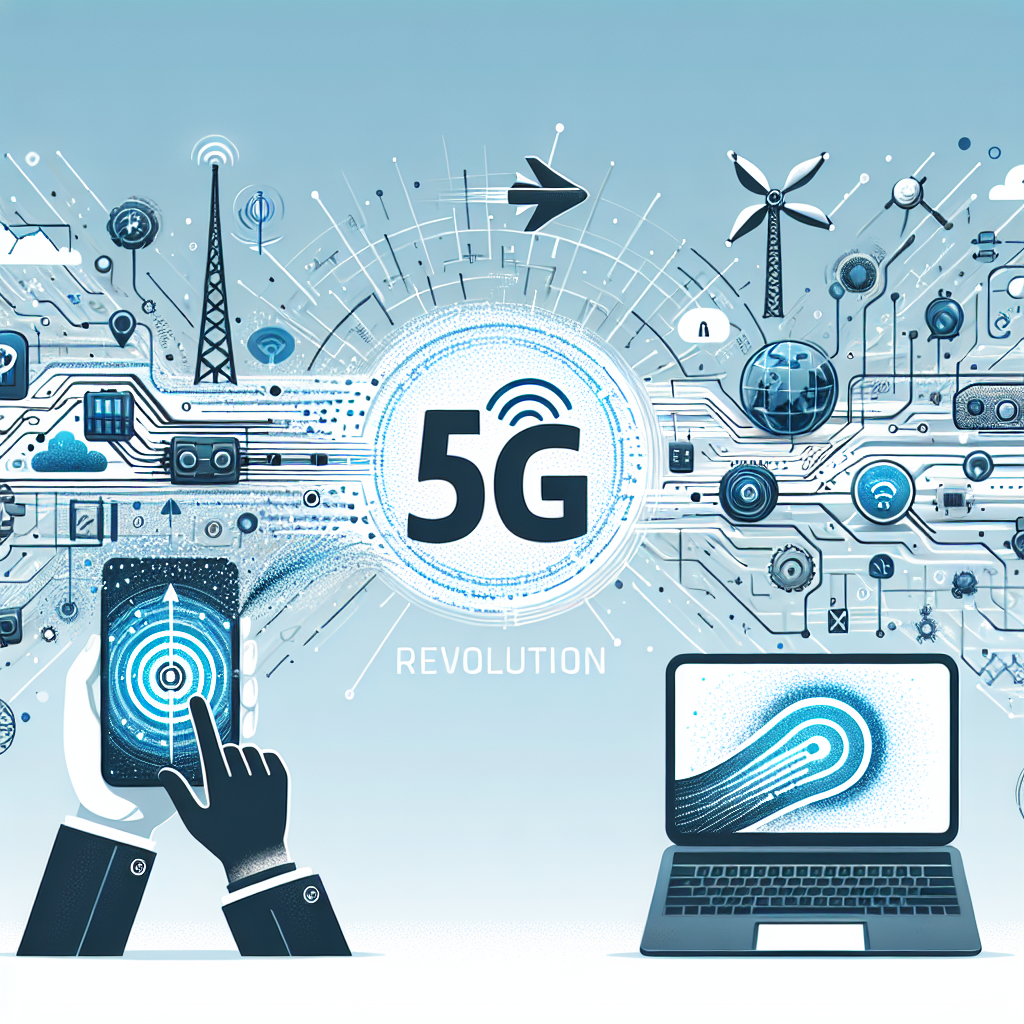
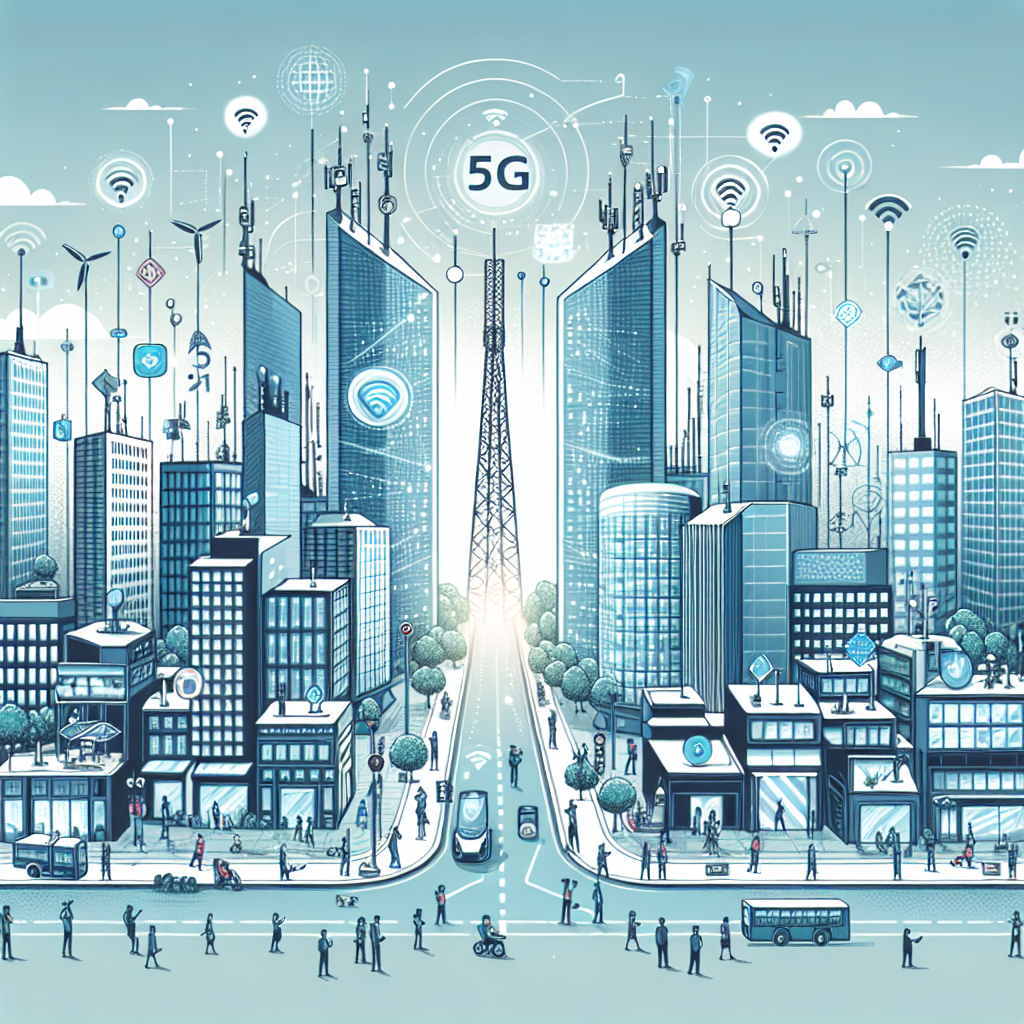
The evolution of mobile technology has been a game-changer for communication, business, and everyday life. With the rollout of 5G networks, we’ve witnessed unprecedented speeds and connectivity. However, the journey doesn't end here. As we look to the future, the next generation of mobile technologies is poised to bring even more revolutionary changes. From enhanced connectivity to transformative applications, let’s explore what lies beyond 5G and how these advancements will impact global development.
The Promise of 6G: What We Know So Far
While 5G has only recently begun to permeate the market, researchers and industry leaders are already looking ahead to the sixth generation of mobile technology, or 6G. Expected to launch around 2030, 6G aims to achieve data rates of up to 1 terabit per second, significantly exceeding the capabilities of 5G. This leap will not only enhance mobile broadband speeds but also introduce capabilities such as holographic communication and advanced artificial intelligence integration.
Key Features of 6G
6G will focus on three main pillars: extreme performance, pervasive connectivity, and intelligent networks. With the introduction of terahertz (THz) frequency bands, 6G will provide ultra-low latency, which is crucial for applications like remote surgery or autonomous vehicles. Moreover, the integration of AI will allow networks to self-optimize, ensuring efficient data management and energy consumption.
Impact on Global Development
The implications of advanced mobile technologies like 6G extend far beyond faster internet speeds. They hold the potential to transform various sectors, including healthcare, education, and agriculture, particularly in developing regions.
Healthcare Revolutionized
In healthcare, the ability to transmit large amounts of data quickly and reliably will facilitate telemedicine and remote patient monitoring. A report by the World Health Organization suggests that telehealth could increase access to quality healthcare in remote areas by up to 80%. With 6G, doctors could perform real-time consultations using high-definition video, enhancing patient care and reducing the need for travel.
Transforming Education
Education is another area that stands to benefit immensely from next-gen mobile technologies. With enhanced connectivity, students in rural areas could access high-quality educational resources, virtual classrooms, and interactive learning environments. According to a UNESCO report, the global e-learning market could reach $375 billion by 2026, driven in part by advancements in mobile technologies. This could bridge educational gaps and empower individuals through knowledge.
Smart Agriculture
In agriculture, the Internet of Things (IoT), powered by 6G, can enable smart farming practices. Farmers can use sensors to monitor soil health, crop conditions, and weather patterns in real-time, leading to data-driven decision-making. A study by McKinsey estimates that digital agriculture could increase yields by up to 70% in developing countries. With the ability to analyze vast amounts of data instantly, farmers can optimize their operations and ensure food security.
Challenges and Considerations
Despite the promising outlook of next-gen mobile technologies, several challenges need to be addressed. One major concern is the digital divide. While urban areas may quickly adopt 6G, rural and underserved regions may lag behind. This disparity could exacerbate existing inequalities. It is crucial for governments and organizations to invest in infrastructure and policies that promote equitable access to these technologies.
Cybersecurity and Privacy Concerns
As mobile networks become more complex, so do the risks associated with cybersecurity. The increase in connected devices raises concerns about data privacy and potential breaches. A report by Cybersecurity Ventures predicts that cybercrime will cost the world $10.5 trillion annually by 2025. Ensuring robust security measures and regulations will be essential to protect users and maintain trust in these advanced systems.
Conclusion: Embracing the Future
The transition from 5G to 6G and beyond is not just a technological upgrade; it is a pivotal opportunity to reshape our world. By harnessing the power of these advanced mobile technologies, we can foster inclusive growth and address critical challenges in healthcare, education, and agriculture. However, it is vital to approach this transition thoughtfully, ensuring that we bridge the digital divide and prioritize cybersecurity.
As we stand on the brink of this new era, stakeholders from governments to private sectors must collaborate to create a future where everyone can benefit from the innovations that lie ahead. By investing in infrastructure, promoting digital literacy, and prioritizing security, we can ensure that the next generation of mobile technology serves as a catalyst for sustainable development worldwide.