Beyond 5G: How Edge Computing Will Revolutionize Mobile App Experiences
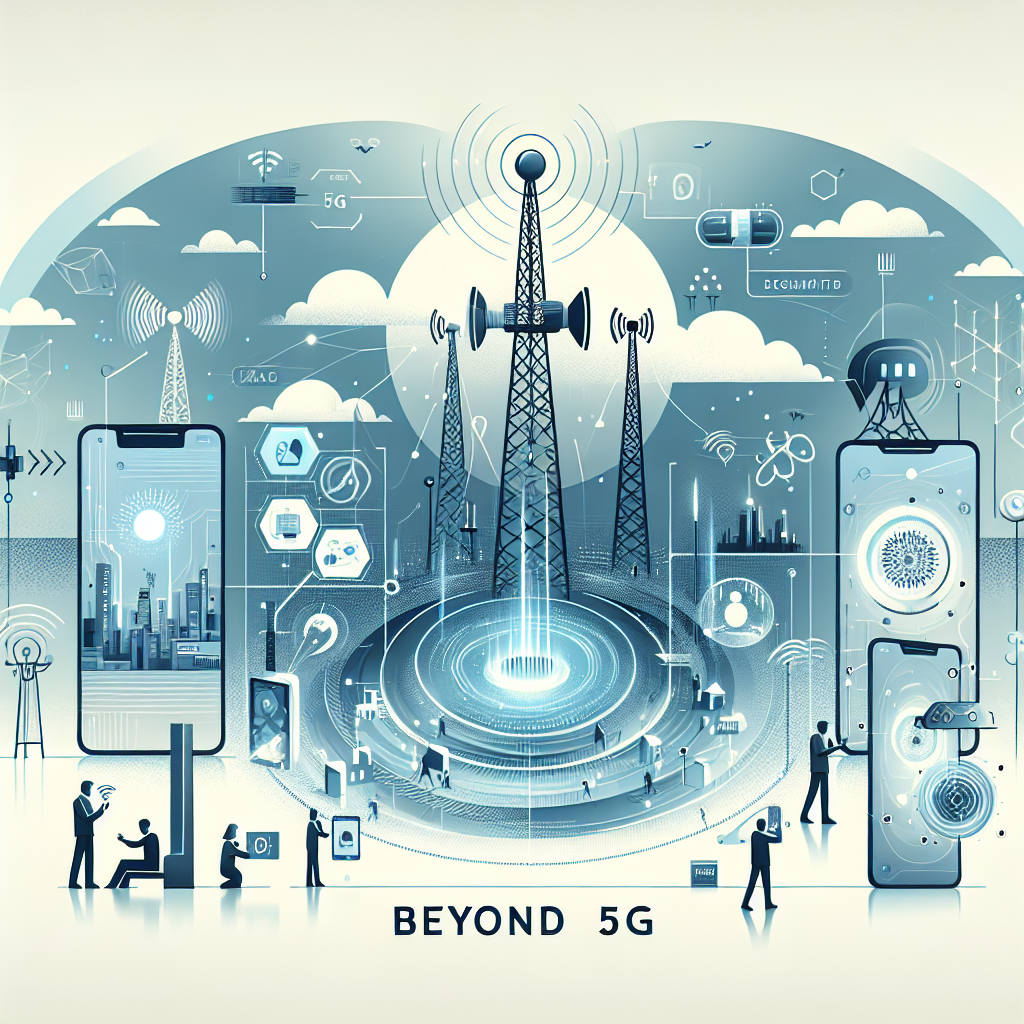
The rollout of 5G technology has been a game-changer for mobile connectivity, enabling faster data speeds, reduced latency, and a more connected world. However, as we look to the future, another technology is set to take center stage: edge computing. As mobile applications evolve to meet user demands for real-time processing and enhanced experiences, edge computing will play a crucial role in transforming how we interact with our devices. In this blog post, we’ll explore how edge computing complements 5G and what it means for the future of mobile app experiences.
Understanding Edge Computing
Edge computing refers to the practice of processing data closer to the location where it is generated, rather than relying on a centralized cloud server. This decentralized approach significantly reduces the latency associated with data transmission, allowing for faster decision-making and response times. According to a report by Gartner, by 2025, 75% of enterprise-generated data will be processed outside of traditional centralized data centers, marking a significant shift in how data management is approached.
The Benefits of Edge Computing for Mobile Apps
As mobile applications continue to proliferate in various industries, the need for speed, efficiency, and reliability has never been more critical. Here are several benefits of integrating edge computing into mobile app development:
- Reduced Latency: By processing data at the edge, mobile apps can deliver near-instantaneous responses to user interactions. For instance, augmented reality applications, which require real-time processing, can benefit immensely from edge computing, allowing for smoother and more immersive experiences.
- Enhanced Privacy and Security: Edge computing can improve data security by limiting the amount of sensitive information that needs to be transmitted to the cloud. This localized processing reduces the risk of data breaches, making it especially beneficial for apps that handle sensitive user data, such as financial or health-related applications.
- Bandwidth Efficiency: By processing data locally, edge computing reduces the amount of data that needs to be sent over the network, conserving bandwidth. This is particularly advantageous in areas with limited connectivity or high data costs, ensuring that users can access essential services without interruption.
- Improved User Experiences: With faster processing times and reduced latency, mobile apps can offer more dynamic and responsive experiences. For example, gaming applications can deliver higher frame rates and better graphics, while IoT applications can process sensor data in real time, leading to smarter devices and environments.
Real-World Applications of Edge Computing in Mobile Apps
Several industries are already harnessing the power of edge computing to enhance mobile app experiences. Let's delve into a few notable examples:
1. Smart Cities and IoT
In smart cities, edge computing enables the collection and analysis of data from a myriad of sensors deployed throughout urban environments. Mobile apps can access real-time traffic data, air quality indices, and public transportation updates, providing users with timely and relevant information. For example, a mobile app that manages public transport can use edge computing to update schedules and routes instantly, enhancing commuter experiences.
2. Healthcare
In healthcare, mobile apps combined with edge computing can monitor patients' vital signs in real time, allowing for immediate responses in critical situations. Wearable devices that track heart rates or glucose levels can process data locally, sending alerts to medical professionals or caregivers without relying solely on cloud connectivity. A study by Accenture suggests that edge computing could save the healthcare industry up to $150 billion by 2026 through improved efficiency and reduced operational costs.
3. Retail
Retailers are leveraging edge computing to enhance customer experiences in physical stores. Mobile apps can provide personalized offers based on real-time data analysis from in-store sensors. For instance, when a customer enters a store, an app can trigger personalized promotions or highlight products based on their shopping history, creating a tailored shopping experience that can increase sales and customer satisfaction.
The Future of Mobile App Development
As edge computing technology continues to advance, the implications for mobile app development are profound. Developers will need to consider the architecture of their applications, focusing on creating solutions that are not only cloud-dependent but also capable of leveraging edge resources effectively. This shift will require a new skill set and a deeper understanding of distributed systems.
Moreover, as mobile devices become more powerful, the capabilities for edge computing will expand, allowing for even more sophisticated applications. With the integration of AI and machine learning, edge computing will enable mobile apps to learn and adapt in real-time, providing users with experiences that are not just reactive but also predictive.
Conclusion: Embracing the Edge
As we move beyond the initial excitement of 5G, edge computing will undoubtedly play a pivotal role in shaping the mobile app landscape. Its ability to enhance speed, security, and user experience will make it an indispensable component of future applications. For developers and businesses looking to stay ahead in this rapidly evolving market, embracing edge computing is not just an option; it’s a necessity.
To prepare for this shift:
- Stay informed about developments in edge computing technologies and frameworks.
- Consider how your applications can leverage local data processing for improved performance.
- Invest in training and resources to equip your development teams with the necessary skills to implement edge computing solutions.
By understanding and integrating edge computing into mobile app development, businesses can create innovative solutions that meet the needs of today's users and lay the groundwork for future advancements.