Beyond Algorithms: How AI and Automation Will Transform Consumer Engagement Strategies by 2026
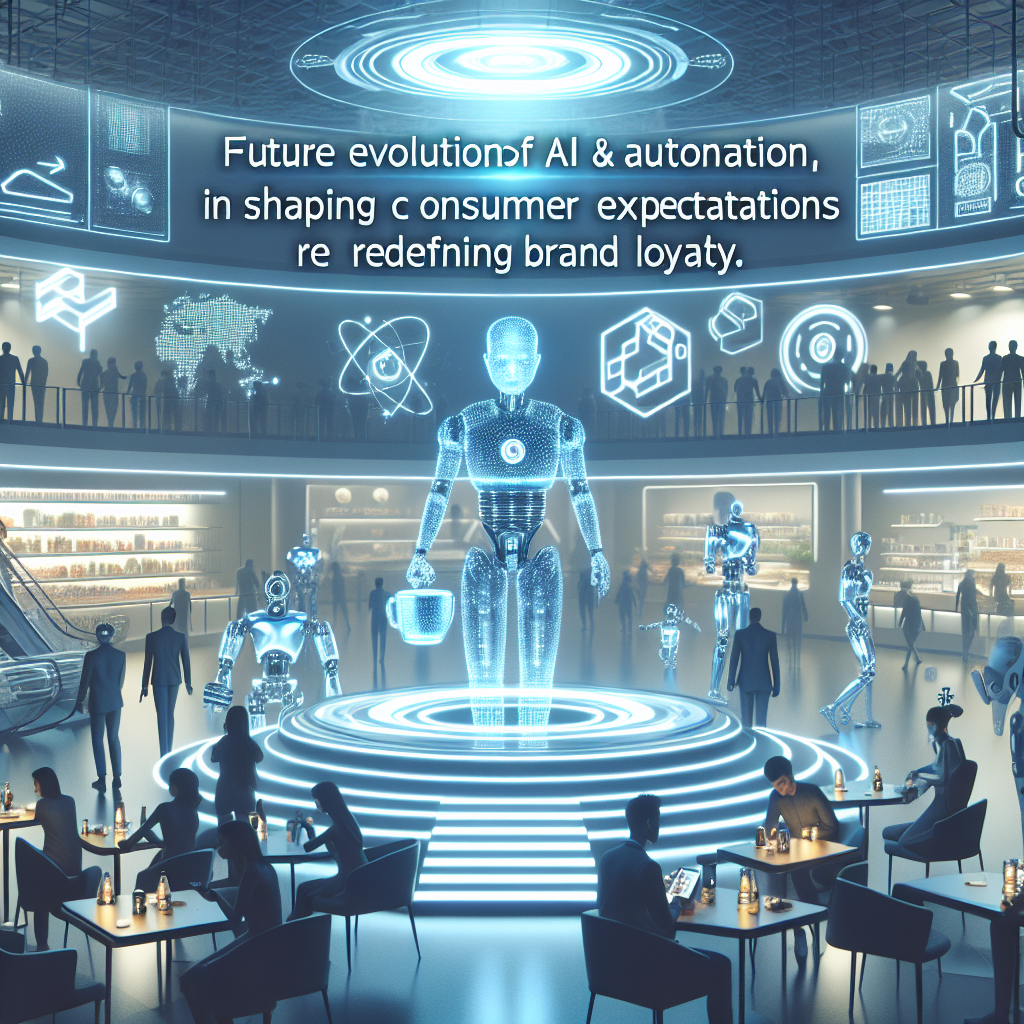
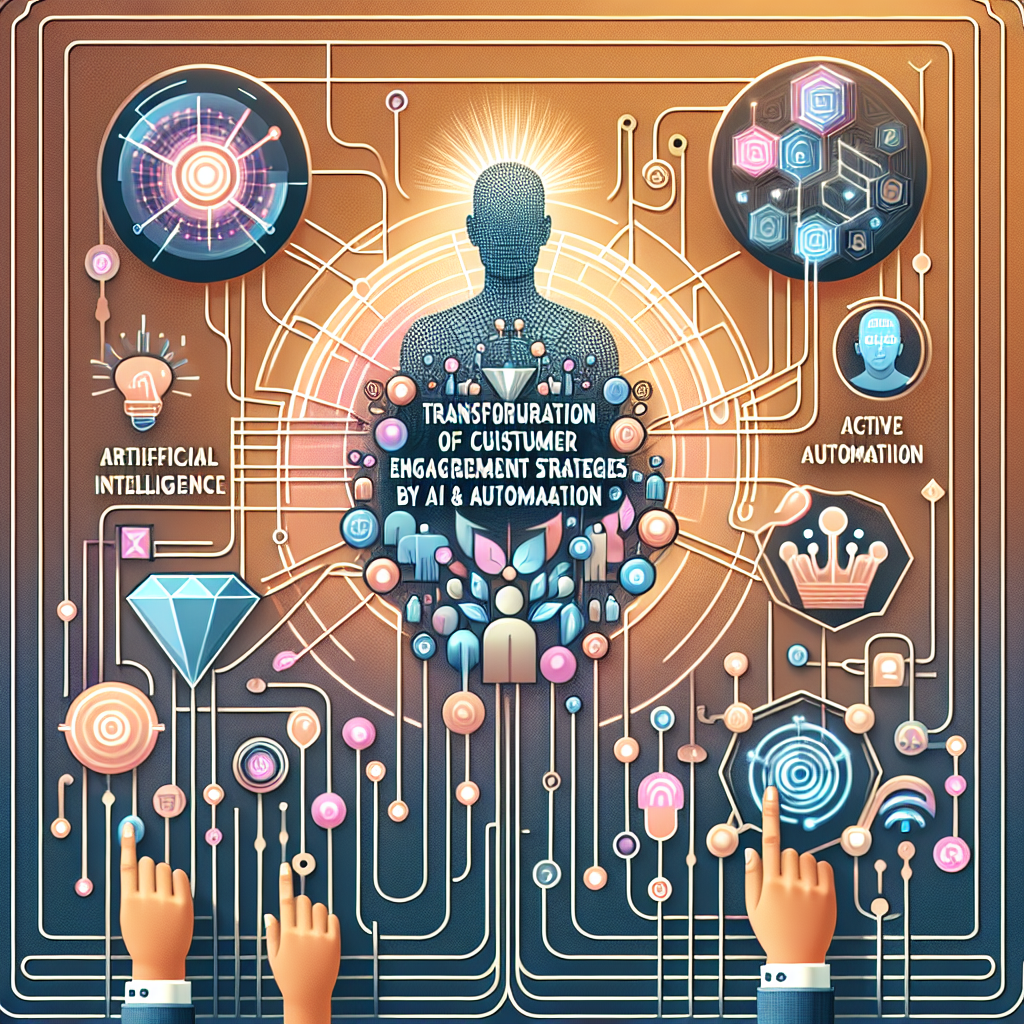
As we look toward 2026, the landscape of consumer engagement is set to evolve dramatically, driven by advancements in artificial intelligence (AI) and automation. Businesses are recognizing that engaging consumers is not just about selling products; it's about building relationships and creating memorable experiences. In this blog post, we will explore how AI and automation are reshaping consumer engagement strategies, and what this means for businesses looking to thrive in an increasingly competitive market.
The Rise of Personalization Through AI
Personalization has become a buzzword in marketing, but it’s no longer enough to merely segment audiences based on demographics. With AI, brands can create hyper-personalized experiences that cater to individual preferences. According to a report by McKinsey, personalized marketing can lead to a 20% increase in sales. By 2026, we can expect AI to harness vast amounts of data to create tailored content, product recommendations, and even personalized pricing models.
Data-Driven Insights
AI algorithms can analyze consumer behavior at an unprecedented scale. By examining patterns from past interactions, brands can predict future purchasing behaviors and preferences. For instance, Netflix uses AI to recommend shows based on viewing history, which keeps users engaged and coming back for more. Businesses can leverage similar strategies to enhance customer loyalty and retention.
Automation: Streamlining Consumer Interactions
Automation is another critical component that will redefine consumer engagement strategies. As chatbots and automated customer service systems become more sophisticated, they are capable of providing instant support and solutions to consumer queries. A study from Gartner indicates that by 2025, 75% of customer interactions will be managed without a human agent. This trend allows businesses to engage with consumers 24/7, improving the overall experience.
The Role of Chatbots
Chatbots are at the forefront of this automation revolution. They can handle a variety of tasks, from answering FAQs to assisting with purchases. For example, Sephora’s chatbot provides beauty advice and product recommendations based on user input, enhancing the shopping experience without human intervention. By 2026, we anticipate that chatbots will not only handle basic inquiries but will also engage in more complex conversations, making them an essential tool for consumer engagement.
Embracing Omnichannel Engagement
Today’s consumers interact with brands through multiple channels, from social media to email and in-store experiences. By 2026, AI and automation will enable brands to create cohesive omnichannel strategies that provide seamless transitions between these platforms. According to a report by Aberdeen Group, companies with strong omnichannel engagement retain an average of 89% of their customers, compared to just 33% for those with weak strategies.
Integrating Technology for a Unified Experience
To achieve omnichannel success, businesses need to integrate their systems and utilize AI to track consumer behaviors across different touchpoints. For instance, if a customer browses products on a mobile app, they should receive a follow-up email with tailored recommendations based on their activity. This level of integration not only enhances consumer satisfaction but also drives conversions, as consumers feel recognized and valued.
Ethics and Transparency in AI-Driven Engagement
As AI and automation play larger roles in consumer engagement, ethical considerations become crucial. Consumers are increasingly concerned about data privacy and how their information is used. By 2026, transparency will be a significant factor in consumer trust. Brands that communicate how they use AI to enhance customer experiences, while also prioritizing data security, will stand out in the marketplace.
Building Trust Through Ethical Practices
Companies need to be transparent about their AI practices, ensuring customers understand how their data contributes to personalized experiences. For instance, brands could implement straightforward privacy policies and provide options for consumers to control their data preferences. This approach not only fosters trust but also aligns with rising regulatory standards concerning consumer data protection.
Conclusion: Preparing for the Future of Consumer Engagement
The transformation driven by AI and automation is inevitable, and businesses must adapt their consumer engagement strategies to stay relevant. By focusing on personalization, embracing automation, integrating omnichannel approaches, and prioritizing ethical practices, brands can cultivate deeper relationships with their customers.
As we approach 2026, consider the following actionable takeaways:
- Invest in AI technologies that enable data-driven personalization.
- Implement chatbots and automated systems to enhance customer service.
- Create a unified omnichannel experience that keeps consumers engaged across platforms.
- Prioritize transparency and ethical practices to build consumer trust.
By taking these steps, businesses can not only survive but thrive in the evolving landscape of consumer engagement, ultimately fostering loyalty and driving success.