Beyond Boundaries: How AI-Driven Personalization and Automation Will Transform Remote Work Strategies by 2026
The COVID-19 pandemic accelerated a shift towards remote work that was already underway, but it also exposed the many challenges that come with it. As we move toward 2026, the evolution of remote work will be further influenced by cutting-edge technologies, particularly artificial intelligence (AI). From enhancing personalization to automating routine tasks, AI is set to redefine how we perceive and execute our work from home. This transformation will not only enhance productivity but also improve employee satisfaction and engagement. In this article, we will explore how AI-driven personalization and automation are poised to revolutionize remote work strategies in the coming years.
The Rise of AI in Remote Work
According to a report by McKinsey, over 70% of companies are planning to adopt a hybrid work model by 2026. With such a significant change on the horizon, the role of AI becomes crucial. AI technologies are already being integrated into various aspects of work, from communication tools to project management software. This integration is not just about improving efficiency; it’s about creating a more personalized and engaging work experience.
Personalization: Tailoring the Remote Work Experience
AI enables organizations to deliver personalized experiences to employees by analyzing data and predicting needs. For instance, platforms like Microsoft Teams and Slack are beginning to incorporate AI that suggests tasks based on past behavior and team interactions. This means that employees can receive tailored recommendations on when to focus on certain tasks or even which colleagues to collaborate with based on their work styles.
Moreover, personalization extends to mental health and wellness initiatives. AI-driven applications can analyze employees’ work patterns and suggest breaks or wellness activities tailored to their individual stress levels. For example, software like Headspace for Work uses AI to recommend meditation sessions based on workload and stress indicators, thereby fostering a healthier work environment.
Automation: Streamlining Workflows
Automation is another key area where AI will make significant contributions to remote work strategies. By 2026, we can expect a substantial increase in the use of AI-driven automation tools to handle repetitive tasks that consume valuable time. This not only frees up employees to focus on creative and strategic tasks but also enhances overall productivity.
AI-Driven Task Management
Task management tools like Trello and Asana are already incorporating AI to automate workflow processes. For example, AI can automatically prioritize tasks based on deadlines and team workloads, ensuring that critical assignments are completed on time. Furthermore, automated reporting features can summarize project status and performance metrics, allowing managers to make data-driven decisions quickly.
Research by Gartner indicates that by 2025, 70% of organizations will integrate AI into their task automation processes. This shift will lead to improved efficiency and better allocation of human resources, as employees will no longer be bogged down by mundane tasks.
Enhancing Communication and Collaboration
One of the most pressing challenges of remote work is maintaining effective communication and collaboration. AI can significantly enhance these areas by offering smart solutions that streamline interactions. For instance, AI-powered chatbots can facilitate instant communication, answer frequently asked questions, and even assist in onboarding new employees.
AI-Powered Virtual Assistants
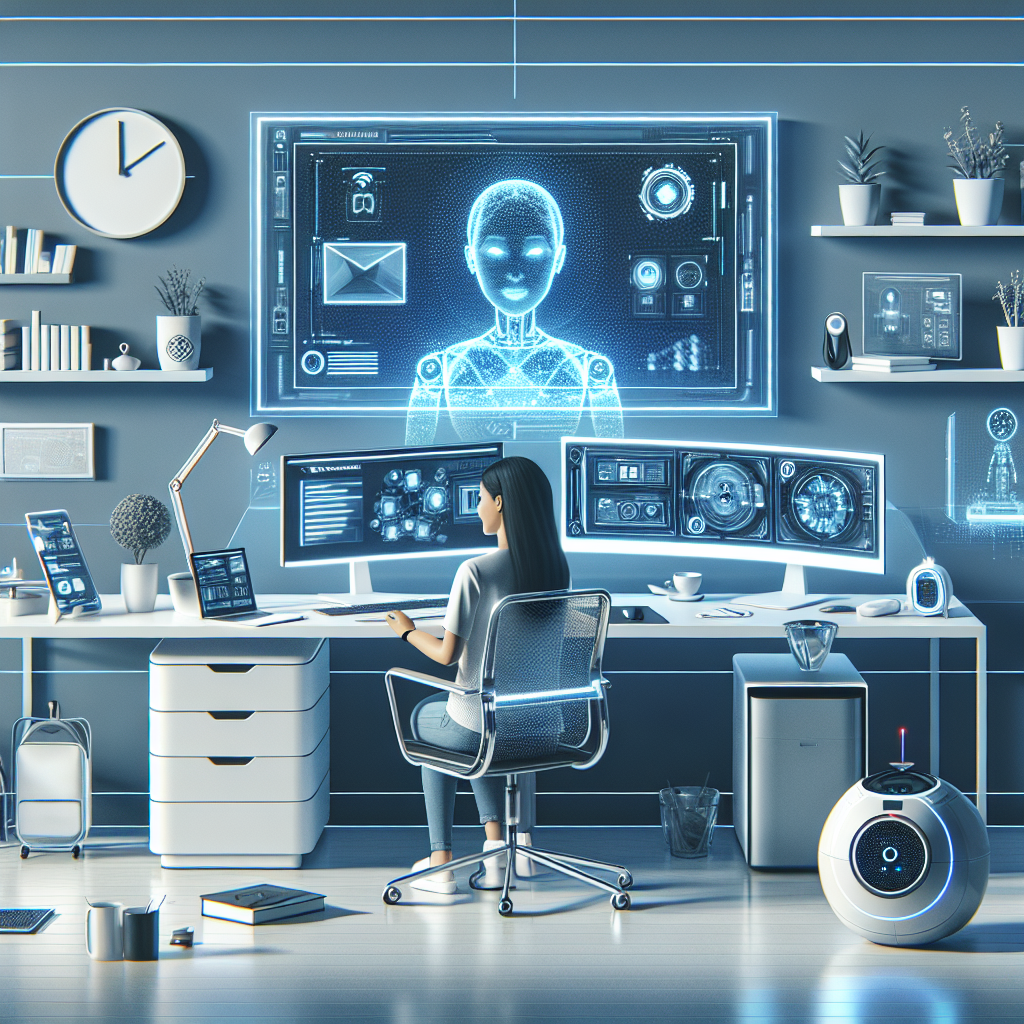
Virtual assistants like Google Assistant and Amazon Alexa are becoming more sophisticated, and their integration into workplace tools is inevitable. By 2026, we can expect AI-driven virtual assistants to manage calendars, schedule meetings, and even draft emails based on voice commands or previous correspondence. This capability not only saves time but also reduces the potential for misunderstandings in communication.
Moreover, AI can analyze communication patterns within teams and suggest optimal times for meetings or even highlight potential conflicts in schedules, ensuring that collaboration is both seamless and effective.
The Ethical Considerations of AI in Remote Work
While the benefits of AI-driven personalization and automation are compelling, organizations must also address the ethical implications of these technologies. Issues such as data privacy, algorithmic bias, and the potential for job displacement must be carefully considered. As companies adopt AI, they will need to establish clear guidelines and maintain transparency with their employees regarding how their data is being used.
Implementing a robust ethical framework will not only build trust but also foster a culture of innovation where employees feel secure in the evolving landscape of work.
Conclusion: Embracing the Future of Remote Work
As we approach 2026, the integration of AI-driven personalization and automation in remote work strategies will be transformative. Organizations that embrace these technologies will not only enhance productivity but also create a more engaging and satisfying work environment. To stay ahead, companies should invest in AI solutions that prioritize personalization and automate repetitive tasks while addressing ethical considerations. By doing so, they will not only meet the demands of a changing workforce but also foster a culture of innovation that attracts and retains top talent.
In summary, the future of remote work is bright, and AI is at the forefront of this evolution. The time to adapt and innovate is now—let's embrace the possibilities that lie beyond boundaries!