Beyond Flexibility: How AI and Automation Will Sculpt the Future of Remote Work Culture by 2026
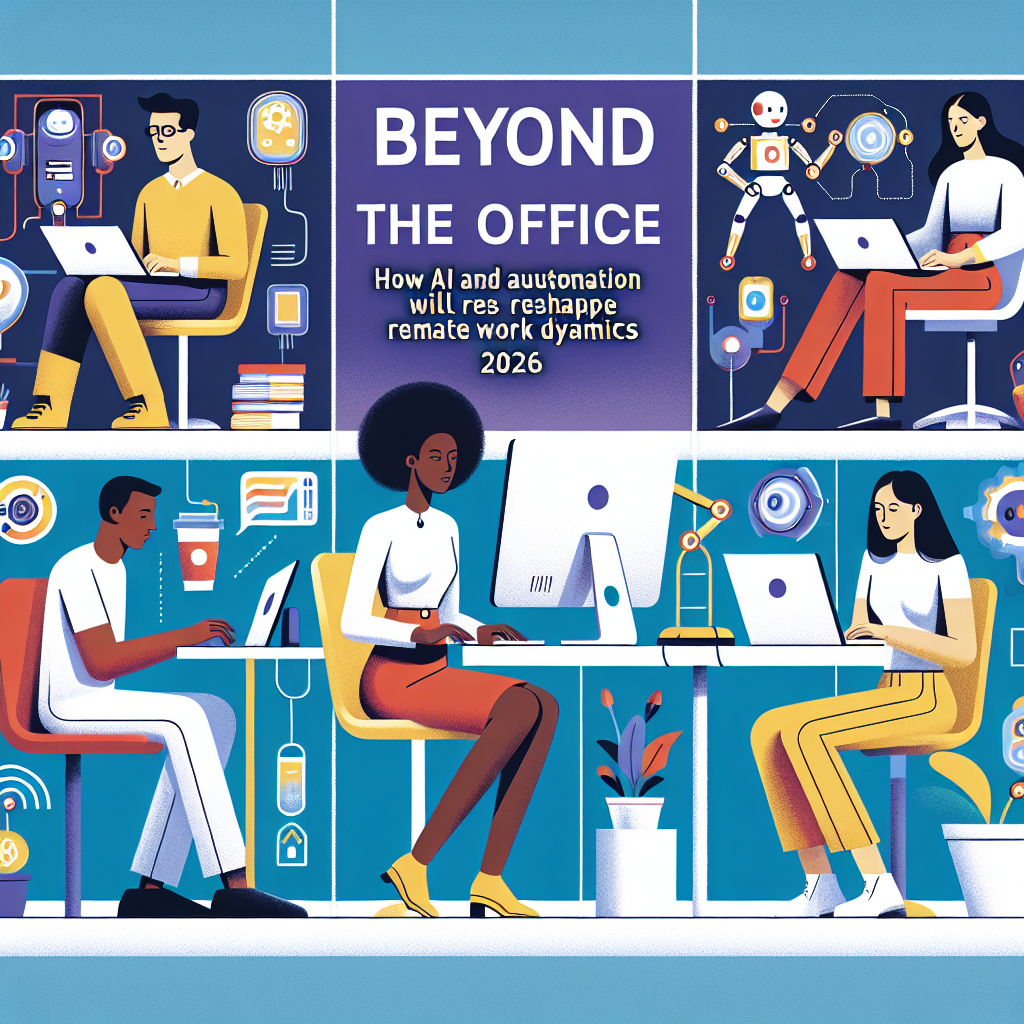
The COVID-19 pandemic accelerated a global shift toward remote work, transforming how businesses operate and employees engage with their jobs. As we look toward 2026, the role of artificial intelligence (AI) and automation in shaping remote work culture is becoming increasingly significant. Beyond just flexibility, these technologies are set to redefine productivity, collaboration, and employee well-being. But how exactly will they sculpt our work lives in the coming years? Let’s explore this evolving landscape.
The Rise of AI in Remote Work
AI has already begun to permeate various aspects of remote work, from automated scheduling to advanced analytics. According to Gartner, by 2026, 75% of organizations will use AI to augment at least one of their business processes. This integration is not merely a trend; it's a necessity for companies aiming to stay competitive.
Enhanced Decision-Making
One of the most profound impacts of AI in remote work will be in decision-making processes. AI-powered tools can analyze vast amounts of data in real-time, providing insights that help teams make informed decisions quickly. For example, platforms like Microsoft Teams are integrating AI to summarize discussions, highlight action items, and even suggest next steps based on previous interactions. This capability can significantly reduce meeting fatigue and enhance focus on productive tasks.
Personalized Work Experiences
AI's ability to tailor experiences to individual needs is another game changer. Imagine a remote work environment where your digital workspace adapts to your preferences, learning from your work habits to optimize your daily tasks. Tools like Asana and Trello are already incorporating AI to suggest project timelines and task assignments based on team member performance. By 2026, this personalized approach will foster a more engaged and satisfied workforce.
Automation: Streamlining Operations
While AI enhances decision-making, automation streamlines operational tasks, allowing employees to focus on higher-value work. The World Economic Forum estimates that by 2025, automation will displace around 85 million jobs but will also create about 97 million new roles. This shift indicates a significant transformation in job functions rather than a total loss of employment.
Reducing Administrative Burdens
Automation tools like Zapier and Automate.io are already making waves by connecting applications and automating repetitive tasks. This means that remote workers can spend less time on administrative duties and more on creativity and strategic thinking. For instance, automating the onboarding process for new employees not only saves time but also ensures a consistent and welcoming experience, crucial for remote work cultures.
Improving Work-Life Balance
One of the biggest challenges of remote work is maintaining work-life balance. Automation can help alleviate this strain. For example, automated reminders can help employees manage their time effectively, ensuring they take breaks and do not overextend themselves. This promotes a healthier work culture that values employee well-being, which is likely to become a priority as we move toward 2026.
Collaborative Tools Powered by AI
Collaboration is vital in any work environment, and AI is enhancing this aspect of remote work. As organizations become more globalized, the need for effective communication tools becomes paramount. By 2026, we can expect AI to play an even larger role in bridging communication gaps among diverse teams.
Real-Time Language Translation
Imagine collaborating with team members across the globe without language barriers. AI-driven translation tools, such as Google Translate's real-time features, are already making this possible. As these technologies improve, seamless communication will foster stronger relationships among remote teams, enhancing collaboration and creativity.
Virtual Workspaces
Platforms like Gather and Spatial are creating immersive virtual workspaces that replicate the office environment. By integrating AI into these platforms, we can expect features such as smart meeting rooms that adjust lighting and sound based on participant preferences. As remote work becomes more permanent, these virtual spaces will redefine how we think about teamwork and collaboration.
Conclusion: Embracing the Future
The future of remote work is not just about flexibility; it’s about harnessing the power of AI and automation to create a more efficient, personalized, and collaborative work culture. As we approach 2026, businesses must embrace these technologies to remain competitive and foster a healthy work environment.
Here are some actionable takeaways for organizations looking to adapt:
- Invest in AI tools that enhance decision-making and streamline operations.
- Utilize automation to reduce administrative tasks and improve employee well-being.
- Explore AI-powered collaboration tools to facilitate communication across global teams.
- Prioritize employee feedback to tailor AI and automation implementations to your workforce's needs.
As we navigate this transformative period, let’s not forget that technology should enhance human capabilities, not replace them. The future of remote work is bright, and with the right approach, we can build a culture that thrives on flexibility, innovation, and collaboration.