Beyond the Home Office: How AI-Driven Environments Will Transform Remote Work Dynamics by 2026
The landscape of remote work has evolved dramatically over the past few years, catalyzed by the global pandemic and technological advancements. As we look toward 2026, the integration of artificial intelligence (AI) in remote work environments is poised to revolutionize how we collaborate, communicate, and maintain productivity. No longer will remote work simply mean logging in from a home office; instead, we will witness the emergence of AI-driven environments that enhance our work experiences and redefine our dynamic with work itself.
The Rise of AI in Remote Work
According to a report by Gartner, by 2025, 75% of organizations will shift to remote work, aided by AI technologies that enhance productivity. This shift is not just about making remote work possible; it’s about making it efficient and engaging. AI tools can automate mundane tasks, analyze data to inform decision-making, and provide personalized experiences that cater to individual work styles.
Enhanced Collaboration Tools
As remote teams become the norm, collaboration tools driven by AI will become essential. Imagine a virtual workspace where AI identifies the best times for team meetings, suggests optimal collaboration methods based on team dynamics, and even facilitates real-time translations for global teams. Tools like Microsoft Teams and Zoom are already incorporating AI features like automatic transcription and intelligent scheduling, making collaboration smoother than ever.
Personalized Work Environments
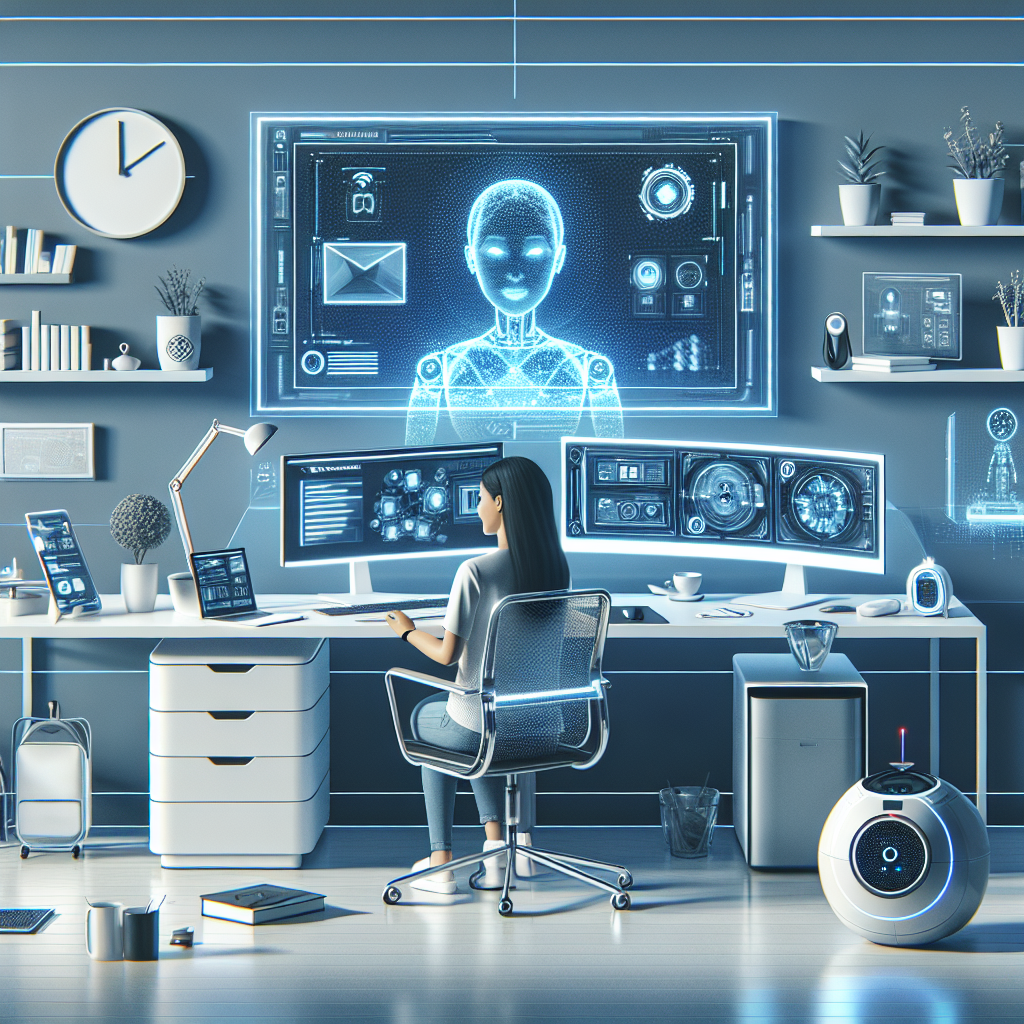
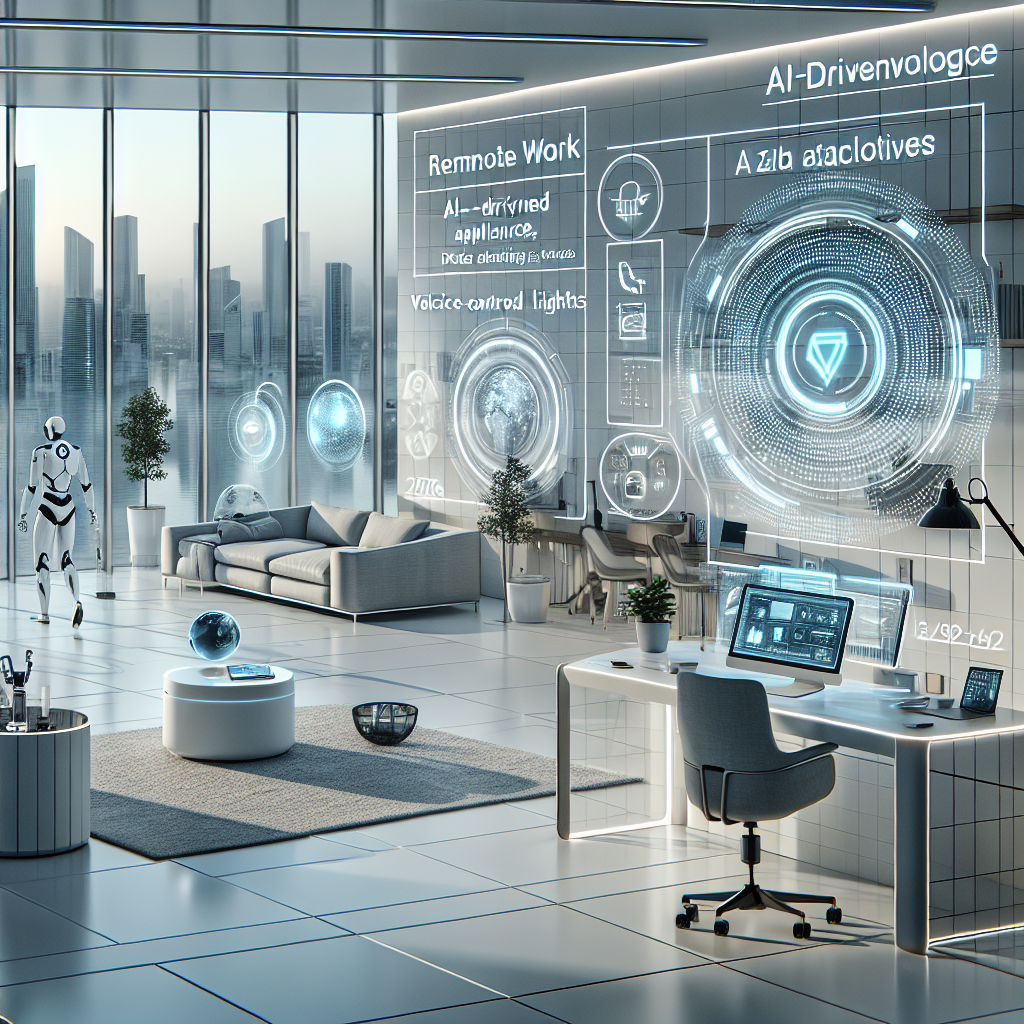
AI is not just about enhancing team collaboration; it also holds the potential to create personalized work environments tailored to individual preferences. By 2026, we can expect AI systems to analyze data on how employees work best, adjusting their environments accordingly. This could include everything from controlling lighting and temperature in a smart office to recommending breaks or even suggesting when to tackle specific tasks based on past performance metrics.
Adaptive Learning and Development
With the rapid pace of change in industries, continuous learning is vital. AI can facilitate adaptive learning paths for remote workers by analyzing their skills and identifying areas for development. Platforms like Coursera and LinkedIn Learning are already adopting AI to offer personalized course recommendations. By 2026, we might see this expand into fully AI-driven personal coaches that not only recommend resources but also help set and track professional development goals.
Work-Life Balance in an AI-Driven World
One of the most pressing concerns of remote work is the blurring of boundaries between professional and personal life. AI can play a crucial role in helping employees maintain a healthy work-life balance. For instance, AI tools can monitor work hours and suggest when to log off, reducing the risk of burnout. Furthermore, virtual wellness assistants could offer mindfulness exercises or suggest physical activities based on the employee's schedule and stress levels.
Data-Driven Decision Making
As businesses increasingly rely on data to inform their strategies, AI will become instrumental in improving decision-making processes. AI algorithms can analyze vast amounts of data to identify trends, forecast outcomes, and provide actionable insights. By 2026, organizations that leverage AI for data analysis will likely gain a competitive edge, enabling them to adapt more swiftly to market changes and employee needs.
The Ethical Implications of AI in Remote Work
While the potential benefits of AI in remote work are exciting, ethical considerations must not be overlooked. Issues related to privacy, surveillance, and bias in AI algorithms require careful scrutiny. Companies must ensure that their AI tools are transparent and respect employee privacy. Engaging employees in discussions about AI implementation can foster trust and collaboration, paving the way for a more positive remote work environment.
Preparing for the Future
As we prepare for this AI-driven future, employees and employers alike should take proactive steps. Organizations can start by investing in AI tools that enhance productivity and engagement, while employees should seek to upskill in areas that complement AI technologies. Embracing a mindset of adaptability will be crucial as we navigate the changes that AI will bring to our work dynamics.
Conclusion: Embracing the AI Revolution in Remote Work
The future of remote work is set to be transformed by AI-driven environments that prioritize collaboration, personalization, and well-being. As we approach 2026, it’s essential for both organizations and individuals to embrace this change with an open mind. By leveraging AI solutions responsibly and proactively, we can create remote work experiences that are not only productive but also fulfilling.
As we stand on the brink of this new era, consider these actionable takeaways: invest in AI tools that suit your team's needs, prioritize continuous learning, encourage open discussions about AI ethics, and maintain a healthy work-life balance. Together, we can shape a future where remote work is not just a necessity but a thriving, dynamic environment.