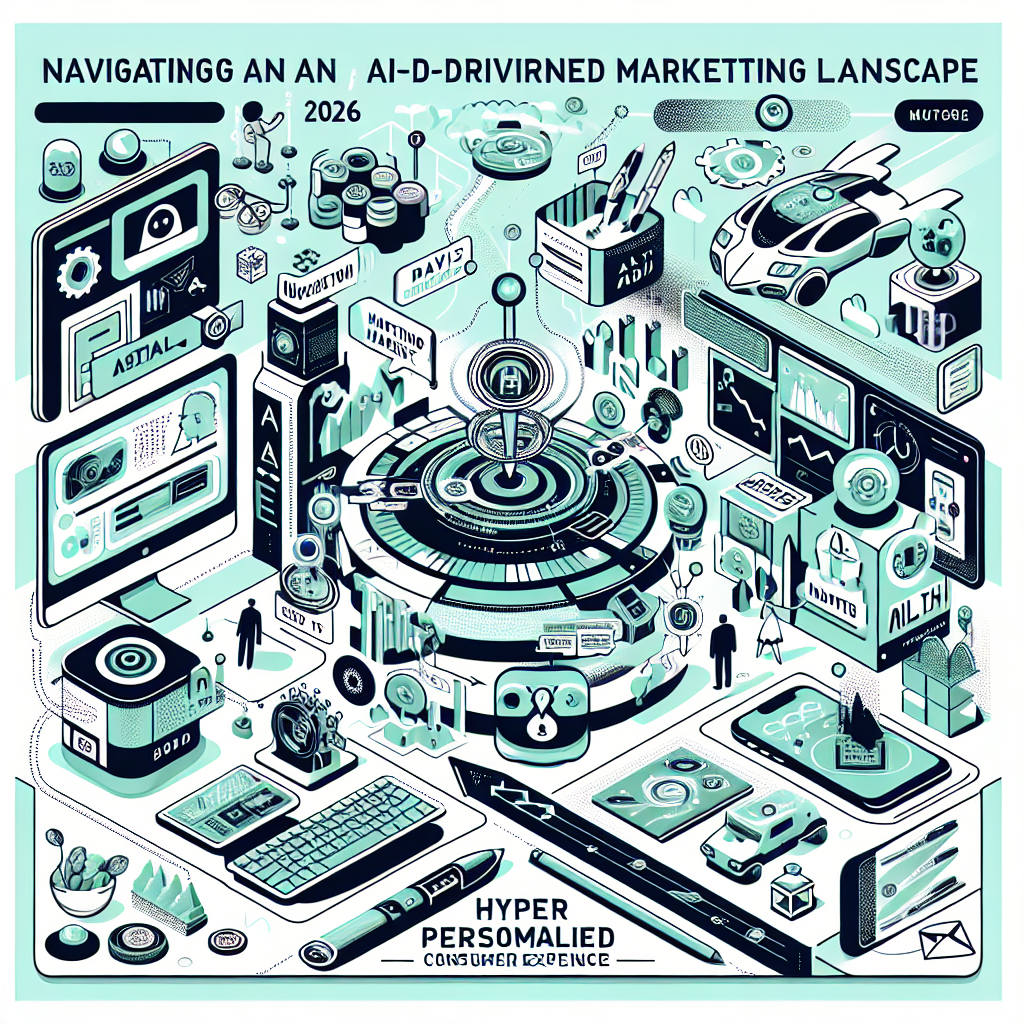
Navigating the AI-Driven Marketing Landscape: Strategies for a Hyper-Personalized Consumer Experience in 2026
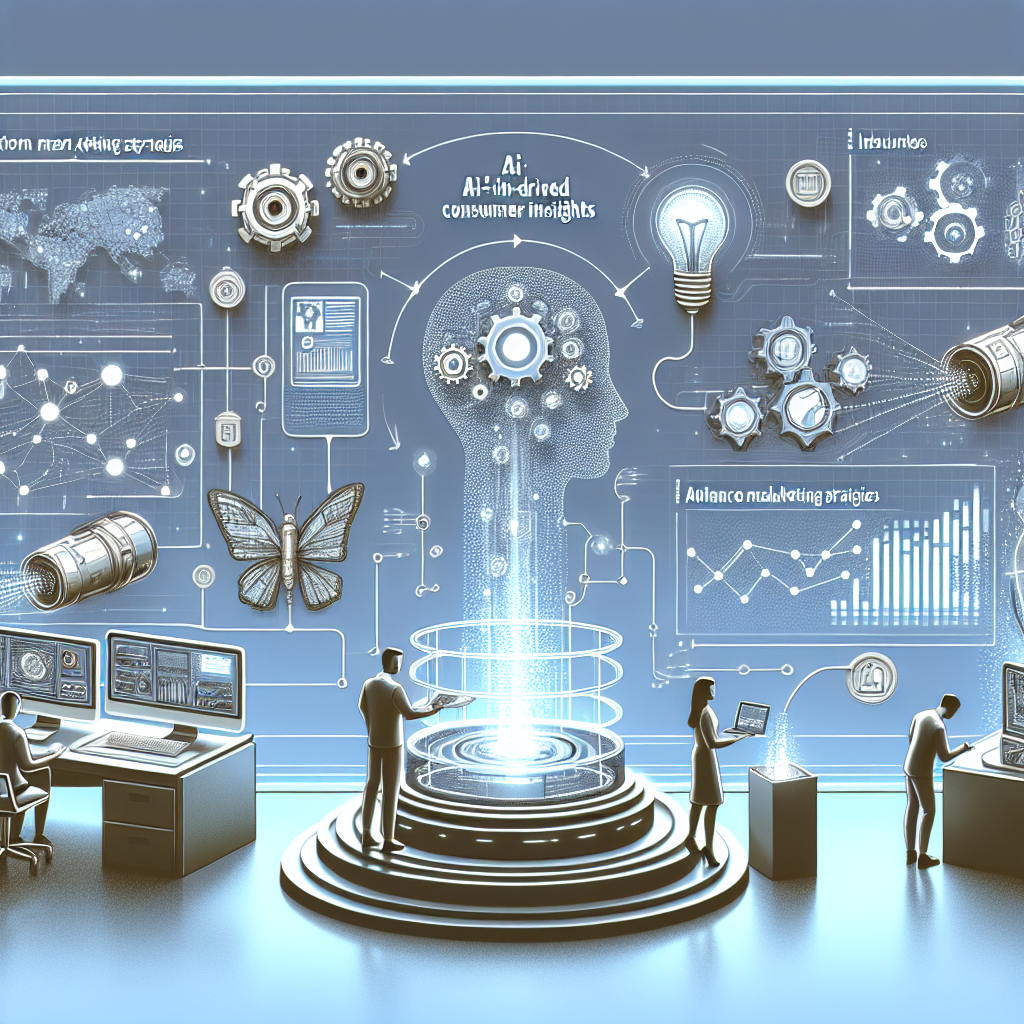
As we step into 2026, the marketing landscape is more dynamic and intricate than ever, largely due to the advancements in artificial intelligence (AI). Brands are now tasked with not just reaching consumers but engaging them in deeply personalized ways. Hyper-personalization, powered by data-driven insights and AI technologies, is revolutionizing how brands connect with their audiences. In this blog post, we will explore effective strategies that marketers can employ to thrive in this AI-driven era and deliver a truly hyper-personalized consumer experience.
The Rise of Hyper-Personalization
Hyper-personalization is not just a buzzword; it’s a vital approach that leverages AI to create custom experiences for each consumer. According to a report by McKinsey, companies that prioritize personalization can generate 40% more revenue than those who do not. This trend is fueled by consumer demand for more tailored interactions and the capabilities of AI to analyze vast amounts of data in real-time.
Understanding Consumer Behavior Through Data
To effectively implement hyper-personalization, marketers must first understand their consumers. AI tools can analyze behavioral data, preferences, and purchase history to predict what products or services might appeal to a specific individual. For instance, companies like Amazon and Netflix have mastered this by using algorithms that recommend products or shows based on user activity.
Gathering data from various touchpoints—like websites, social media, and customer service interactions—enables brands to create a 360-degree view of their customers. This not only enhances targeting but also builds a deeper emotional connection with the consumer, as they feel understood and valued.
Implementing AI-Powered Tools and Technologies
To achieve hyper-personalization, marketers need to adopt advanced AI tools that streamline data analysis and enhance customer interactions. Here are some technologies to consider:
1. Customer Relationship Management (CRM) Software
Modern CRM systems, such as Salesforce and HubSpot, integrate AI capabilities to automate and optimize customer engagement. These platforms can segment audiences based on behavior and demographics, enabling marketers to tailor their campaigns effectively. For instance, a fashion retailer can send personalized emails featuring styles based on a customer's past purchases and browsing history.
2. Chatbots and Virtual Assistants
AI-driven chatbots are transforming customer service by providing instant, personalized responses to inquiries. According to a study by Gartner, by 2026, 70% of customer interactions will involve emerging technologies like chatbots. These tools can learn from customer interactions and improve over time, offering tailored solutions and recommendations that enhance user experience.
3. Predictive Analytics
Predictive analytics tools use machine learning algorithms to forecast consumer behavior, helping marketers to anticipate needs and tailor offers accordingly. For example, if a user frequently purchases fitness products, brands can proactively suggest related items or send personalized discounts at relevant times, such as New Year’s resolutions.
Creating Engaging Content that Resonates
Content remains king, but in 2026, it must also be king of personalization. AI can help marketers generate content that resonates with specific audience segments. Here are ways to optimize content for hyper-personalization:
1. Dynamic Content Strategies
Utilizing AI, marketers can create dynamic content that changes based on the viewer’s characteristics. For instance, a travel website can display different vacation packages based on the user’s location, past travel history, and even the time of year.
2. Storytelling Techniques
Crafting stories that align with individual consumer journeys can help deepen connections. Personal anecdotes, testimonials, or case studies that reflect the audience’s experiences can be integrated into marketing campaigns to make them more relatable and engaging.
Ethics and Transparency in AI Marketing
While AI offers incredible opportunities for hyper-personalization, it also raises ethical considerations. Consumers are increasingly aware of their data privacy, with a survey by Cisco revealing that 84% of consumers care about data privacy and seek transparency from brands. Marketers must prioritize ethical data practices and be transparent about how they collect and use consumer data.
Implementing clear privacy policies and providing consumers with options to control their data can build trust and loyalty. This approach not only complies with regulations like GDPR but also fosters a positive brand image.
Conclusion: Actionable Takeaways for Marketers
As we navigate the AI-driven marketing landscape of 2026, brands must embrace hyper-personalization to stay competitive. Here are some actionable takeaways:
- Invest in AI-powered tools that provide deep insights into consumer behavior.
- Utilize dynamic content and storytelling techniques to create meaningful connections.
- Prioritize ethical marketing practices and transparency to build trust with your audience.
- Continuously analyze and adapt your strategies based on real-time data and feedback.
By embracing these strategies, marketers can enhance consumer experiences, foster brand loyalty, and drive sustainable growth in an increasingly personalized world. The future of marketing is not just about reaching the consumer; it’s about connecting with them on a personal level, and AI is the key to unlocking that potential.