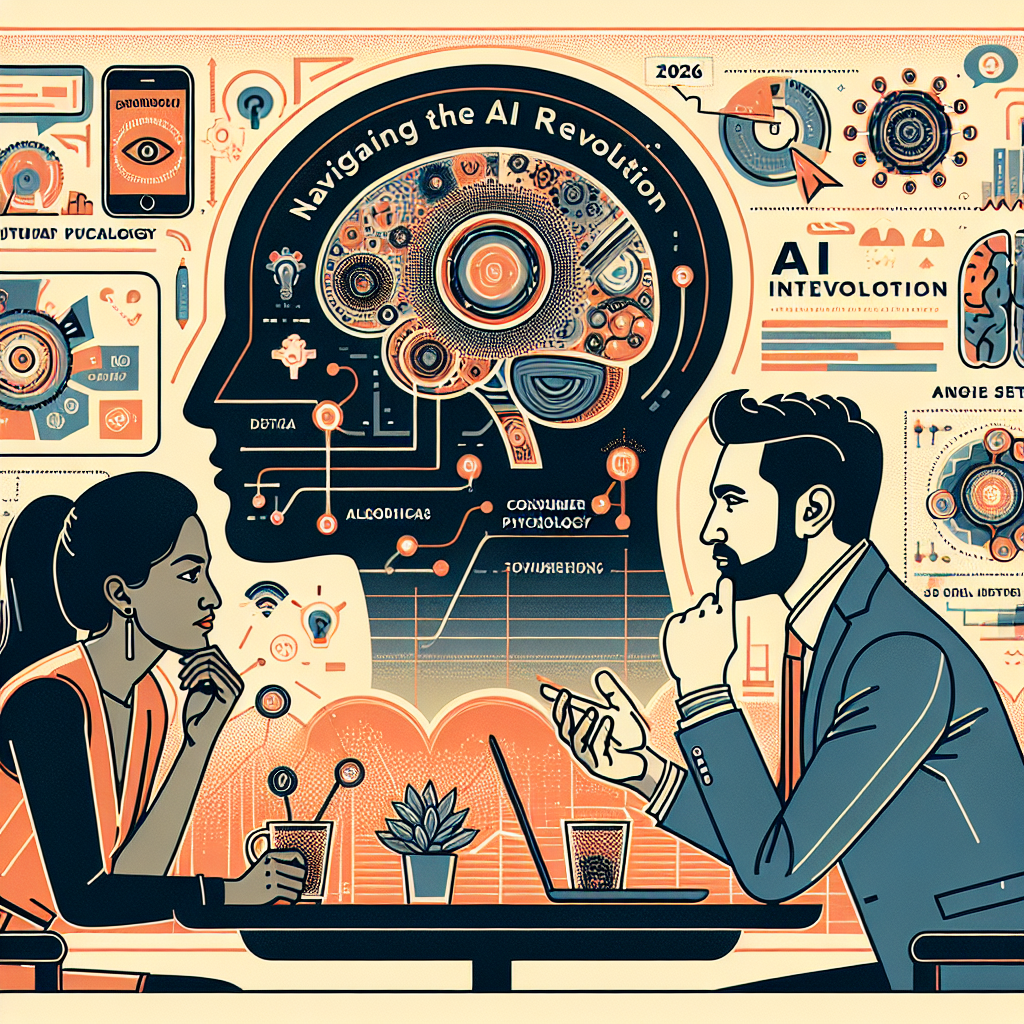
Navigating the AI Revolution: How Consumer Psychology Will Shape Machine Learning Strategies in 2026
The rapid advancement of artificial intelligence (AI) is reshaping industries at an unprecedented pace. By 2026, as machine learning (ML) becomes increasingly integrated into everyday life, understanding consumer psychology will be vital for businesses aiming to leverage these technologies effectively. In this post, we will explore how insights from consumer behavior will influence machine learning strategies and provide actionable insights for organizations looking to stay ahead in this AI revolution.
Understanding Consumer Psychology in the Age of AI
Consumer psychology delves into how emotions, beliefs, and perceptions influence purchasing decisions. As AI technologies evolve, they will not only analyze consumer data but also adapt to understand the motivations behind consumer actions. This capability will be essential in creating personalized experiences that resonate with users.
The Shift to Personalization
Personalization is no longer a luxury; it has become an expectation. According to a report by Epsilon, 80% of consumers are more likely to make a purchase when brands offer personalized experiences. By 2026, machine learning algorithms will harness vast amounts of consumer data to deliver tailored recommendations, advertising, and content that align with individual preferences.
For instance, streaming services like Netflix and Spotify have long utilized ML to recommend content based on user behavior. However, as consumer psychology insights are integrated into these algorithms, we can expect even more sophisticated systems that not only recommend based on past behavior but also adapt to changing moods and circumstances. Imagine a music platform that recognizes when you are stressed and curates a playlist to calm you down, enhancing your overall experience.
The Role of Emotion in Decision-Making
Emotions play a crucial role in consumer decision-making. Research shows that emotional responses often outweigh rational considerations. In 2026, machine learning strategies will increasingly leverage emotional data, such as sentiment analysis from social media interactions and customer feedback, to understand how feelings influence purchasing behavior.
Enhancing Customer Engagement
Businesses that can tap into emotional insights through AI will enhance customer engagement significantly. For example, brands like Coca-Cola and Dove have successfully created campaigns that resonate emotionally with their audiences. By employing AI-driven analytics, these brands can refine their messaging and target specific emotional triggers that motivate consumers to act.
Moreover, chatbots and virtual assistants will evolve to better understand and respond to emotional cues. This means that a customer expressing frustration will receive a different response than one expressing excitement, making interactions feel more human and personalized.
Ethical Considerations in AI and Consumer Psychology
As AI technologies become more adept at influencing consumer behavior, ethical considerations will come to the forefront. The ability to manipulate emotions and decisions through targeted marketing raises questions about consumer autonomy and trust. By 2026, businesses must prioritize ethical AI practices to maintain customer relationships and brand integrity.
Building Trust Through Transparency
Transparency in how consumer data is collected and used will be a significant factor in building trust. A survey by PwC found that 85% of consumers are willing to share their data if they know how it will be used. Companies that communicate openly about their AI-driven strategies and the purpose behind data collection will likely foster stronger relationships with their customers.
Furthermore, organizations should implement robust privacy measures and give consumers control over their data. This approach not only complies with regulations like GDPR but also cultivates a sense of security among consumers who are increasingly concerned about data privacy.
Practical Strategies for Businesses
As we look towards 2026, businesses should consider the following strategies to effectively navigate the AI revolution and capitalize on consumer psychology:
- Invest in Data Analytics: Utilize advanced analytics to gain insights into consumer behavior and preferences. This will enable businesses to tailor their offerings and improve customer satisfaction.
- Embrace Emotional Intelligence: Train AI systems to recognize and respond to emotional cues, enhancing customer interactions and engagement.
- Prioritize Ethical AI Practices: Develop policies that ensure transparency and data protection, fostering trust among consumers.
- Continuously Adapt Strategies: Stay agile and willing to refine strategies based on evolving consumer preferences and technological advancements.
Conclusion: Embracing the Future
The integration of consumer psychology into machine learning strategies will be a game-changer for businesses in 2026. By prioritizing personalization, understanding emotional drivers, and adhering to ethical practices, organizations can create meaningful connections with their customers. As we navigate this AI revolution, those who leverage insights from consumer behavior will not only thrive but will also set the standards for future interactions in an increasingly automated world.
In summary, the future of machine learning lies not just in algorithms but in understanding the human experience. By keeping the consumer at the heart of AI strategies, businesses can harness the full potential of this technology, ensuring success in an ever-evolving marketplace.