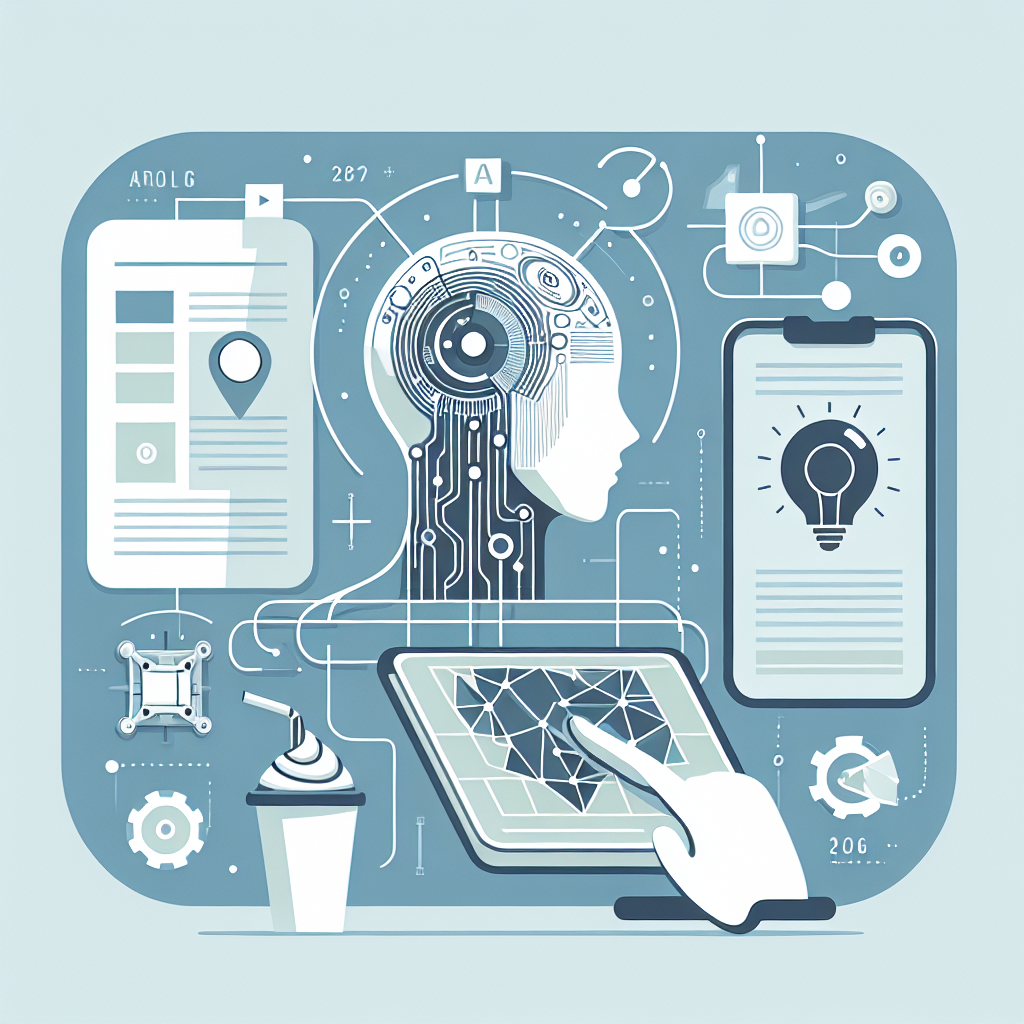
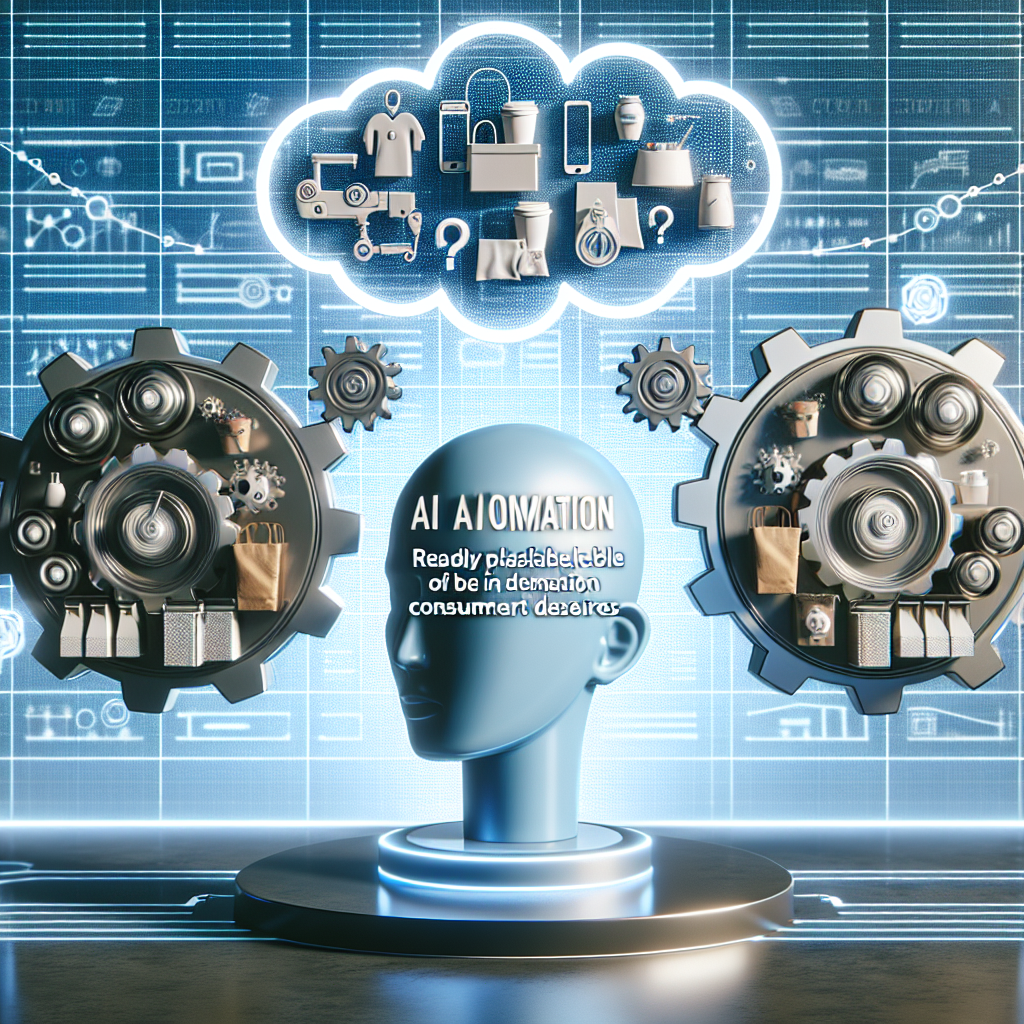
Navigating the Future: How AI and Automation Will Reshape Product Management Strategies by 2026
As we approach 2026, the landscape of product management is set to undergo a transformative evolution fueled by artificial intelligence (AI) and automation. In a world where consumer expectations are continually rising and competition is fierce, product managers must adapt to these technological advancements to stay relevant and effective. This article explores the key ways AI and automation will reshape product management strategies, offering insights that can help professionals navigate this exciting future.
The Rise of AI in Product Management
The integration of AI into product management is not merely a trend—it's a necessity. According to a report by McKinsey, AI could potentially deliver up to $2.6 trillion in value in marketing and sales alone by 2026. For product managers, this means leveraging AI to gain deeper insights into customer behavior, optimize product development processes, and enhance decision-making.
Data-Driven Insights
AI's ability to analyze vast amounts of data quickly and accurately allows product managers to make informed decisions based on real-time insights. Machine learning algorithms can identify patterns in customer feedback and market trends, enabling teams to prioritize features that resonate with users. For instance, companies like Spotify utilize AI to analyze listening habits, tailoring product features that enhance user experience and engagement.
Enhanced Customer Personalization
Personalization is key to customer satisfaction, and AI is revolutionizing how product managers approach this challenge. By employing AI-driven tools, product teams can segment their audience more effectively and deliver tailored experiences. For example, Amazon uses AI algorithms to recommend products based on past purchases and browsing history, significantly increasing conversion rates. As product managers harness these capabilities, they will be better equipped to meet diverse consumer needs.
Automation: Streamlining Product Development
Automation is another critical component reshaping product management strategies. By automating routine tasks, product managers can focus on strategic initiatives that drive innovation. According to Gartner, by 2025, 70% of organizations will be using automated tools for product management. This shift not only enhances efficiency but also improves collaboration across teams.
Continuous Integration and Delivery
Automation tools facilitate continuous integration and delivery (CI/CD), allowing product teams to release updates more frequently and with fewer errors. This approach enables faster feedback loops, ensuring that products evolve based on user input. For example, companies like Atlassian have adopted CI/CD practices, which empower their teams to deploy updates quickly, enhancing customer satisfaction and retention.
Streamlined Communication
Automation can also enhance communication within product teams. Tools like Slack and Microsoft Teams, integrated with AI chatbots, can streamline notifications and updates, ensuring that all team members are aligned and informed. This level of transparency fosters collaboration and accelerates decision-making, crucial in today’s fast-paced market environment.
AI-Powered Predictive Analytics
As we look towards 2026, predictive analytics powered by AI will become an indispensable asset for product managers. These tools enable teams to anticipate market trends and customer needs before they fully emerge, allowing for proactive product development.
Market Trend Forecasting
By analyzing historical data and current market signals, AI can help product managers identify potential shifts in consumer behavior. For instance, companies like Netflix utilize predictive analytics to forecast viewing habits, allowing them to make data-driven decisions about content creation and acquisition. This level of foresight can significantly reduce the risk associated with product launches.
Risk Management
AI-driven analytics can also assist in identifying potential risks associated with product development. By simulating various scenarios, product managers can better understand the implications of their decisions, enabling them to devise strategies that mitigate risks. This proactive approach ensures that teams are prepared for challenges before they arise, ultimately leading to more successful product outcomes.
Building a Culture of Innovation
As AI and automation reshape product management, fostering a culture of innovation within teams is essential. Embracing these technologies should not only be about efficiency; it’s about empowering teams to think creatively and embrace change.
Encouraging Experimentation
Product managers should encourage teams to experiment with AI and automation tools, fostering an environment where innovation thrives. For example, Google’s “20% time” policy allows employees to spend a portion of their work hours on creative projects, resulting in groundbreaking products like Gmail and AdSense. By allowing space for experimentation, product managers can tap into the collective creativity of their teams.
Continuous Learning and Development
Investing in continuous learning is crucial as AI and automation evolve. Product managers should prioritize training and development programs that enhance team members’ skills in using these technologies. Online courses, workshops, and industry conferences can provide valuable insights and keep teams updated on the latest advancements in AI and automation.
Conclusion: Embrace the Change
As we look ahead to 2026, it is clear that AI and automation will play a pivotal role in shaping product management strategies. By leveraging data-driven insights, embracing automation, and fostering a culture of innovation, product managers can navigate this changing landscape effectively. Here are some actionable takeaways:
- Invest in AI tools that provide data-driven insights and enhance customer personalization.
- Implement automation solutions to streamline product development and communication.
- Utilize predictive analytics to anticipate market trends and manage risks.
- Encourage a culture of experimentation and continuous learning within your teams.
By proactively adapting to these advancements, product managers can not only enhance their strategies but also position their organizations for success in the dynamic market of the future.