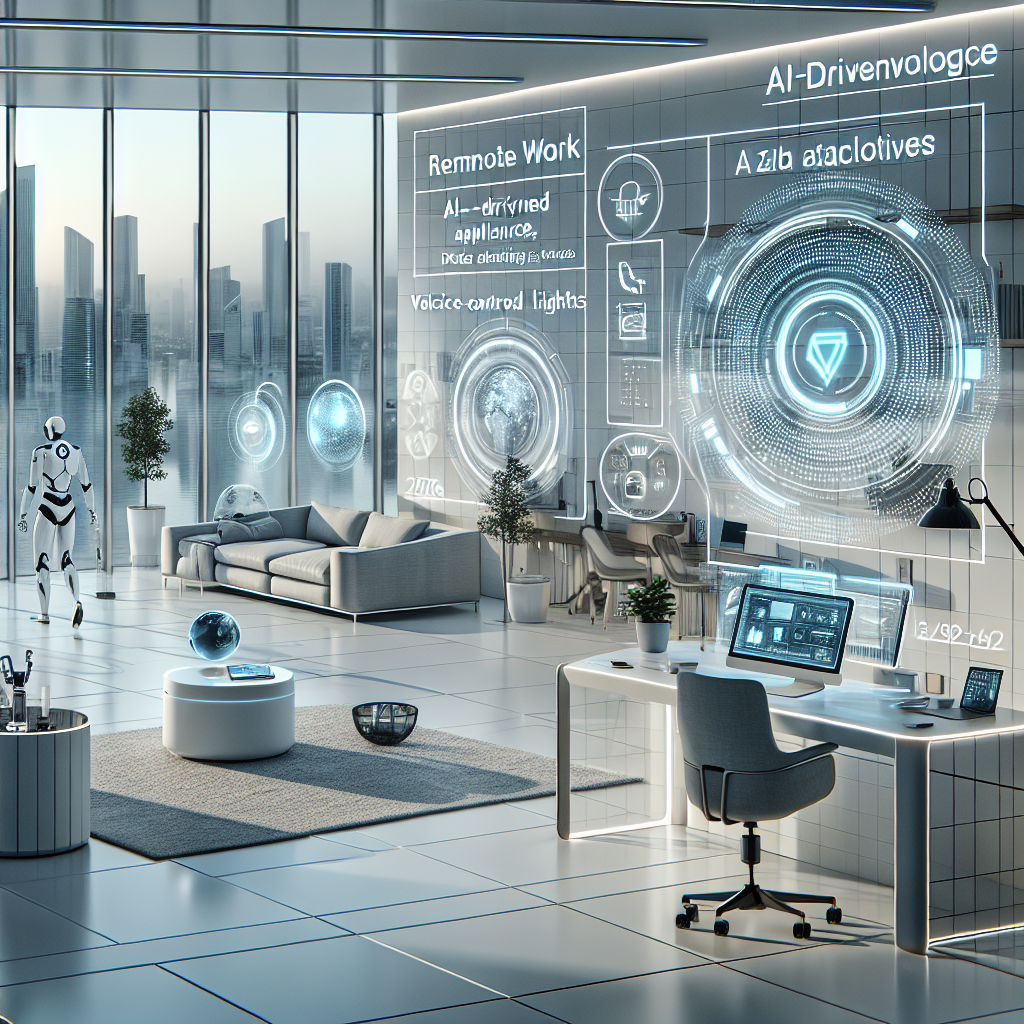
Navigating the Future: How AI and Automation Will Reshape Remote Work Dynamics by 2026
The COVID-19 pandemic has irrevocably changed the landscape of work, accelerating a trend that was already in motion: the rise of remote work. As we look toward 2026, it’s clear that artificial intelligence (AI) and automation will play pivotal roles in shaping these dynamics. From enhancing productivity to redefining team interactions, the implications are vast and complex. In this post, we’ll explore how AI and automation will transform remote work, the challenges and opportunities they present, and practical ways to adapt to this evolving landscape.
The Current State of Remote Work
Before delving into the future, it’s essential to understand the current state of remote work. According to a report by Stanford University, 42% of the U.S. labor force was working remotely full-time as of late 2020. By 2026, we can expect that number to stabilize around 25-30% as companies strike a balance between in-office and remote operations. This shift has prompted organizations to seek innovative solutions to manage teams effectively and maintain productivity.
AI and Automation: The Game Changers
Enhancing Productivity
One of the most significant impacts of AI on remote work is the enhancement of productivity. Advanced tools powered by AI, such as project management software and intelligent virtual assistants, are becoming indispensable in remote settings. For instance, tools like Asana and Trello have integrated AI features that help prioritize tasks, set deadlines, and even predict project timelines based on historical data.
According to a McKinsey report, companies that adopt AI can boost productivity by up to 40%. Imagine a scenario where an AI assistant schedules meetings, sends reminders, and manages your calendar, allowing you to focus on high-value tasks. This is not just a futuristic dream; it’s becoming a reality as businesses adopt AI-driven solutions.
Facilitating Communication and Collaboration
Another area where AI and automation will make a significant impact is in communication and collaboration. Tools like Slack and Microsoft Teams are already enhancing remote collaboration through integration with AI chatbots and automated workflows. By 2026, we can expect these platforms to evolve further, with AI facilitating real-time translation, sentiment analysis, and content summarization.
For example, imagine a team meeting where an AI tool transcribes the conversation, highlights key action points, and sends a summary to all participants. This level of automation not only saves time but also ensures that everyone is on the same page, regardless of their location. As remote teams become more diverse and global, such tools will be essential in breaking down communication barriers.
Challenges Ahead
While the benefits of AI and automation are promising, they come with their own set of challenges. One major concern is job displacement. A World Economic Forum report predicts that by 2025, 85 million jobs could be displaced due to automation, while 97 million new roles could emerge that are more aligned with the new division of labor between humans and machines. The key will be to focus on retraining and upskilling employees to ensure they can adapt to new technologies.
Maintaining a Human Touch
Another challenge lies in maintaining a human touch in an increasingly automated environment. As AI takes over routine tasks, the risk of dehumanizing the workplace grows. Companies will need to be conscious of creating a company culture that values empathy, creativity, and collaboration. Regular check-ins, virtual team-building activities, and mental health resources will become essential as organizations navigate this new terrain.
Preparing for the Future
Embracing Continuous Learning
To thrive in this evolving landscape, both employees and organizations must embrace continuous learning. As AI technologies evolve, so too will the skills required in the workforce. Companies should invest in training programs that not only teach technical skills but also emphasize soft skills, such as critical thinking and emotional intelligence, that cannot be easily replicated by machines.
Investing in the Right Tools
Organizations must also invest in the right tools to facilitate remote work. This includes not only AI-powered software but also ensuring that employees have the necessary hardware and internet connectivity. A recent survey by Buffer found that 98% of remote workers want to work remotely at least some of the time for the rest of their careers. Hence, providing a supportive environment is key to retaining talent.
Conclusion: Actionable Takeaways
The future of remote work is bright, but it requires a proactive approach to harness the full potential of AI and automation. Here are some actionable takeaways for individuals and organizations:
- Stay informed about AI trends and tools that can enhance productivity.
- Prioritize training and upskilling to prepare for emerging roles.
- Invest in tools that foster communication and collaboration while retaining a human touch.
- Encourage a company culture that values empathy and support in a remote setting.
- Be adaptable and open to change, as the landscape will continue to evolve rapidly.
As we navigate the future of work, embracing the synergy between humans and machines will be crucial. By 2026, those who can effectively integrate AI and automation into their remote work strategies will not only survive but thrive in this new era.