Navigating the Future: How AI and Automation Will Transform Business Strategy in 2026
As we stand on the brink of a new era in technology, the conversation around artificial intelligence (AI) and automation has taken center stage in boardrooms and innovation hubs worldwide. By 2026, these technologies are poised to not only reshape how businesses operate but also redefine strategies that drive growth and efficiency. From enhancing customer experiences to streamlining operations, the impact of AI and automation will be profound. Let’s explore how these advancements will transform business strategy and what leaders can do to prepare for this shift.
The AI Revolution: Understanding the Basics
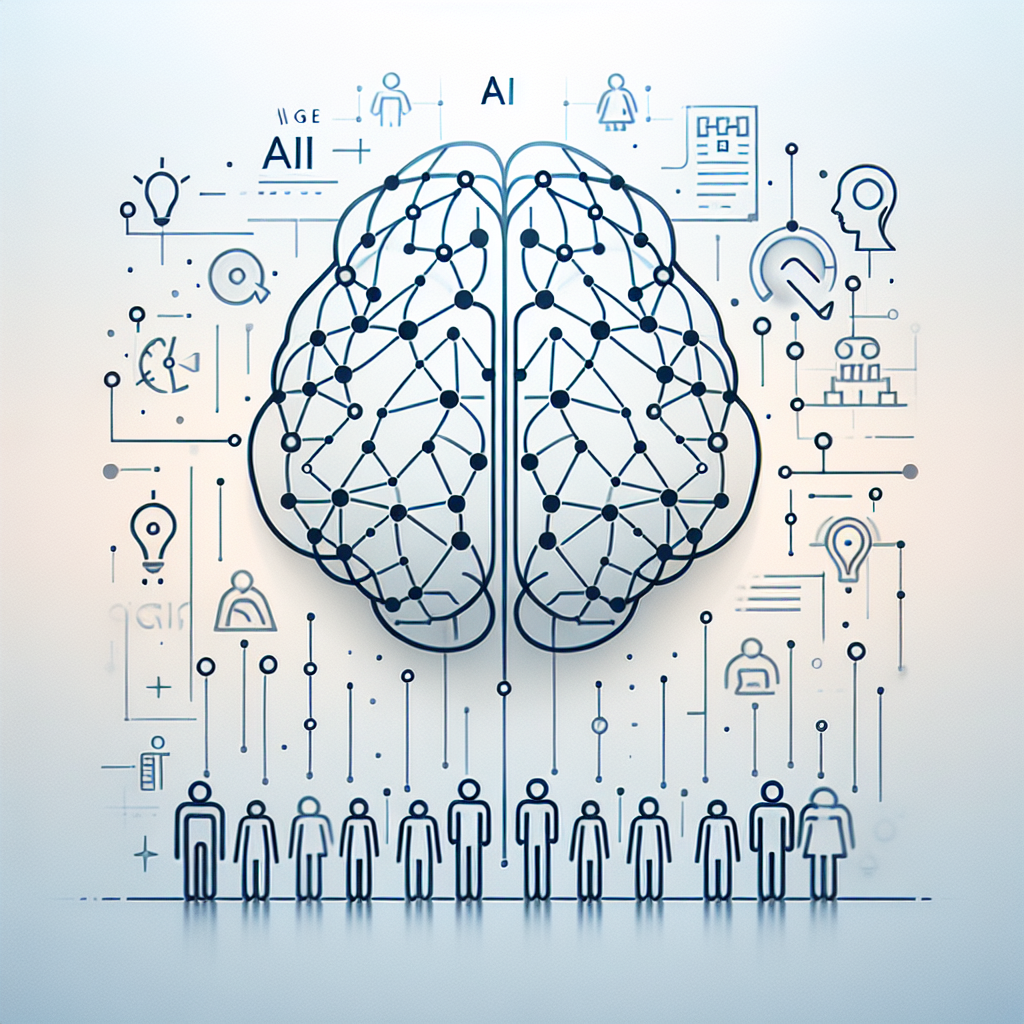
Artificial intelligence refers to systems that can perform tasks that typically require human intelligence, such as decision-making, problem-solving, and learning from experience. Automation, on the other hand, involves using technology to perform tasks with minimal human intervention. According to a report by McKinsey, by 2026, up to 70% of businesses could integrate AI into their operations, leading to a significant shift in workforce dynamics and operational strategies.
AI-Powered Decision Making
One of the most remarkable transformations we can expect is the enhancement of decision-making processes. AI algorithms can analyze vast amounts of data far more rapidly and accurately than humans. For instance, companies like Amazon and Netflix have successfully used AI to analyze consumer behavior, predict trends, and personalize recommendations. By 2026, this ability will likely extend to various sectors, from finance to healthcare, allowing organizations to make data-driven decisions that can improve outcomes and profitability.
Automation: Streamlining Operations
Automation is set to redefine operational efficiency. In manufacturing, for example, robots already handle repetitive tasks, but by 2026, we expect to see a more integrated approach where AI collaborates with human workers. A study by PwC estimates that automation could contribute up to $15 trillion to the global economy by 2030, highlighting the urgency for businesses to adapt.
Rethinking Workforce Dynamics
The rise of automation will inevitably lead to changes in workforce dynamics. While there are fears of job displacement, there’s also the potential for job creation in new areas. According to the World Economic Forum, by 2025, the shift in labor markets due to AI and automation could create 97 million new jobs. Businesses must focus on reskilling and upskilling their employees to ensure they can thrive in this new environment. Investing in training programs will not only enhance employee morale but also increase organizational resilience.
Enhancing Customer Experiences with AI
Customer experience will undergo a significant transformation as AI and automation become more integrated into business strategies. Chatbots, for example, have already started to revolutionize customer service by providing instant responses to queries. By 2026, we can expect AI-driven tools to offer personalized experiences that anticipate consumer needs. This level of engagement can lead to increased customer loyalty and brand trust.
Predictive Analytics: A Game Changer
Predictive analytics, powered by AI, will enable businesses to forecast customer behavior more accurately. Companies like Spotify use AI to analyze listening habits and curate personalized playlists for users, which enhances user satisfaction and retention. By leveraging similar technologies, businesses in various sectors can tailor their offerings to meet specific consumer demands, thereby driving sales and improving customer satisfaction.
Strategic Partnerships: Collaborating with AI Firms
As AI technology continues to evolve, forming strategic partnerships with AI firms will become essential for businesses aiming to stay competitive. Collaborations can provide access to cutting-edge technologies and expertise that can enhance innovation. For example, companies such as Google and Microsoft have established partnerships to integrate AI solutions across their platforms, demonstrating the value of collaboration in technological advancements.
Investing in Research and Development
To remain relevant in the face of rapid technological change, businesses must prioritize research and development (R&D). Investing in R&D not only fosters innovation but also prepares companies to adapt to future advancements in AI and automation. A commitment to R&D will enable organizations to stay ahead of the curve and continuously improve their strategies.
Conclusion: Preparing for the Future
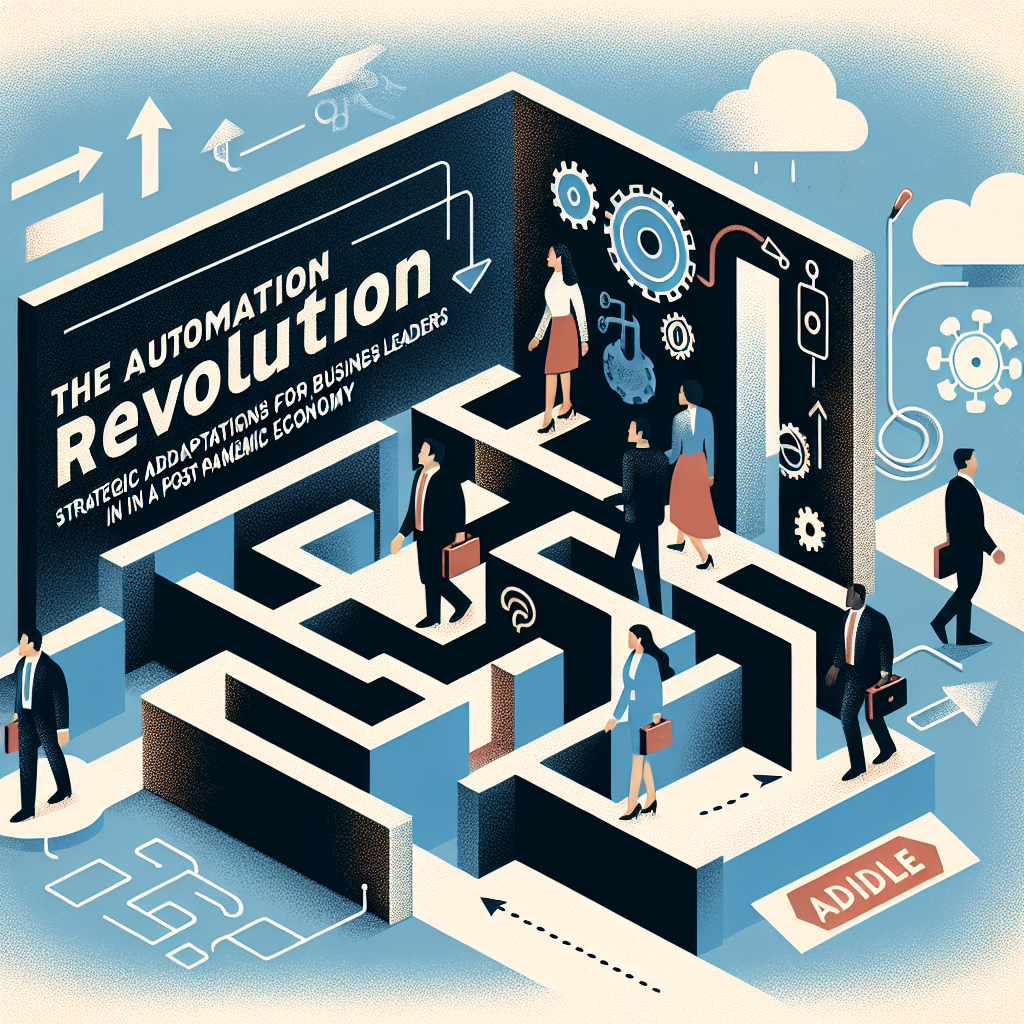
As we approach 2026, the influence of AI and automation on business strategy will be undeniable. Companies that embrace these technologies will find themselves at a competitive advantage, while those that resist change may struggle to keep pace. To navigate this future successfully, business leaders should:
- Invest in AI and automation technologies that align with their operational goals.
- Focus on reskilling and upskilling their workforce to adapt to new roles.
- Enhance customer experiences through personalized AI-driven solutions.
- Form strategic partnerships with tech firms to leverage expertise and innovation.
- Commit to ongoing research and development to remain agile and adaptable.
By taking these actionable steps, organizations can not only survive but thrive in a future where AI and automation are central to business success.