Navigating the Future: How AI and Automation Will Transform Remote Work Dynamics by 2026
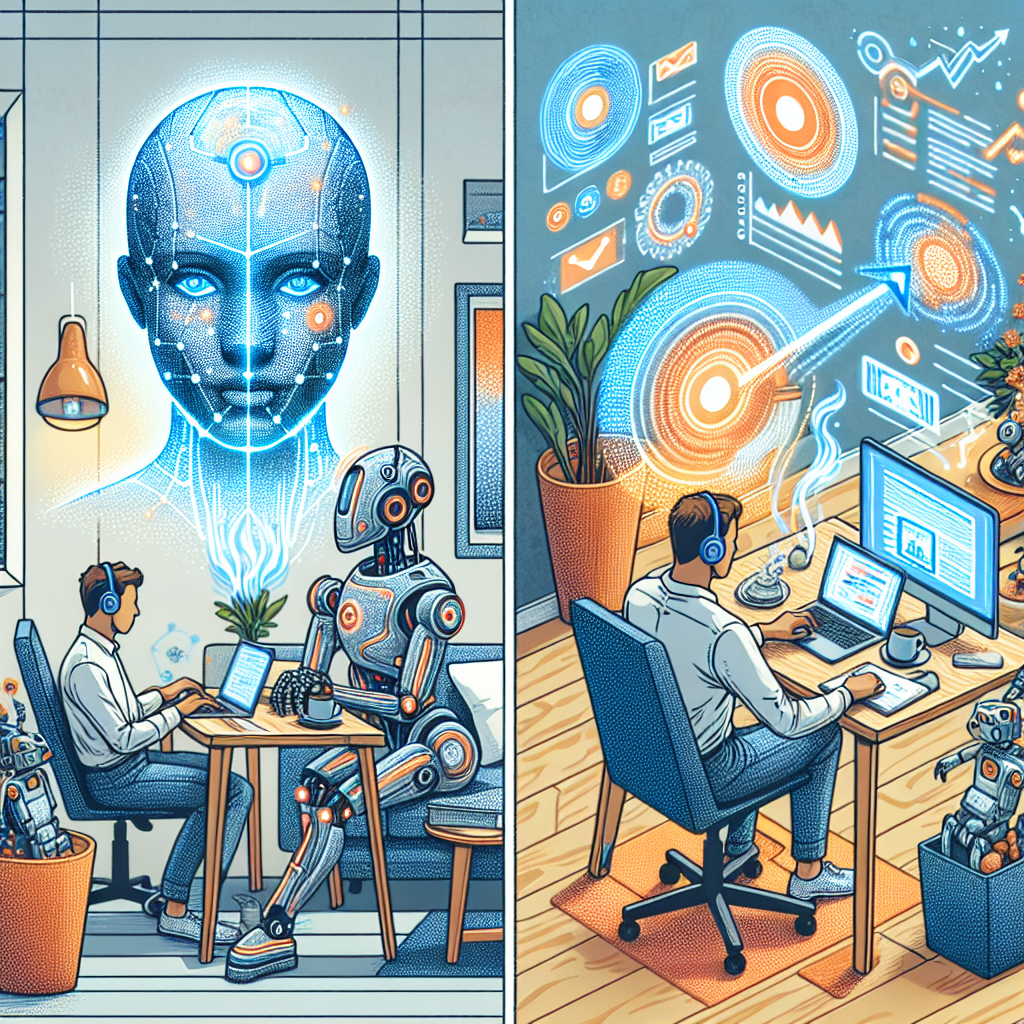
As we venture further into the 21st century, the landscape of work continues to evolve at an unprecedented pace, primarily fueled by advancements in artificial intelligence (AI) and automation. The COVID-19 pandemic has accelerated the shift towards remote work, making it a staple in many industries. By 2026, what will this new reality look like, and how will AI and automation reshape our work dynamics? In this post, we explore the transformative potential of these technologies and their implications for remote work.
The Rise of AI in Remote Work
AI is no longer a futuristic concept; it’s here, and its integration into the workplace is rapidly increasing. According to a report by McKinsey, around 70% of companies are expected to adopt some form of AI by 2025. This trend is particularly evident in remote work settings, where AI tools are enhancing productivity and collaboration.
Smart Collaboration Tools
Communication and collaboration are critical components of remote work, and AI is improving these areas significantly. Tools like Slack and Microsoft Teams are incorporating AI features that streamline communication by suggesting responses, summarizing conversations, and even scheduling meetings based on team members’ availability. For instance, Google's AI-powered tools can analyze emails and prioritize them, ensuring that remote workers focus on what truly matters.
Personalized Work Environments
AI can also create personalized work experiences. By analyzing individual work patterns, AI systems can suggest optimal work hours, recommend breaks, and even tailor the digital workspace to enhance focus and productivity. A study from Buffer found that 98% of remote workers would like to continue working remotely, and personalized environments could make this experience even more enjoyable and efficient.
Automation: Streamlining Workflows
Automation is another pivotal player in the future of remote work. By 2026, many repetitive tasks currently performed by humans will be automated, freeing up valuable time for remote workers to focus on more strategic initiatives.
Task Automation in Daily Operations
From automating administrative tasks to managing customer interactions, the potential for automation is vast. Tools like Zapier and IFTTT allow users to create workflows that automatically manage repetitive tasks, such as data entry and email responses. According to a study by PwC, up to 30% of jobs could be automated by the mid-2030s. This shift will not only increase efficiency but also reduce the risk of burnout among remote workers, who often juggle multiple responsibilities.
Enhanced Data Analysis
AI-driven analytics tools can process vast amounts of data to provide insights that were previously unattainable. For remote teams, this means more informed decision-making and strategic planning. For example, companies like HubSpot use AI to analyze customer interactions and provide tailored marketing strategies, ultimately enhancing customer service and satisfaction. By 2026, we can expect these tools to become even more sophisticated, allowing remote teams to respond to market changes in real time.
The Human Element: Balancing AI and Automation
While AI and automation offer numerous benefits, the human element remains irreplaceable. In a remote work environment, maintaining team cohesion and collaboration is vital. According to Gallup, engaged teams are 21% more productive. Therefore, balancing technology with genuine human interaction will be crucial in ensuring remote workers feel connected and motivated.
Fostering Team Culture
As remote work becomes the norm, companies must prioritize fostering a strong team culture. Virtual team-building activities, regular check-ins, and open communication channels can help bridge the gap between remote workers. For example, companies like Zapier and GitLab have successfully cultivated remote-first cultures by emphasizing transparency and inclusivity, ensuring every team member feels valued.
Investment in Employee Well-being
As remote work evolves, so should our approach to employee well-being. By 2026, organizations will need to invest in mental health resources, flexible work schedules, and wellness programs that address the unique challenges faced by remote employees. A report by Mind Share Partners found that 60% of employees have experienced mental health challenges during the pandemic, underscoring the necessity of prioritizing mental health in remote work strategies.
Conclusion: Embracing the Future of Remote Work
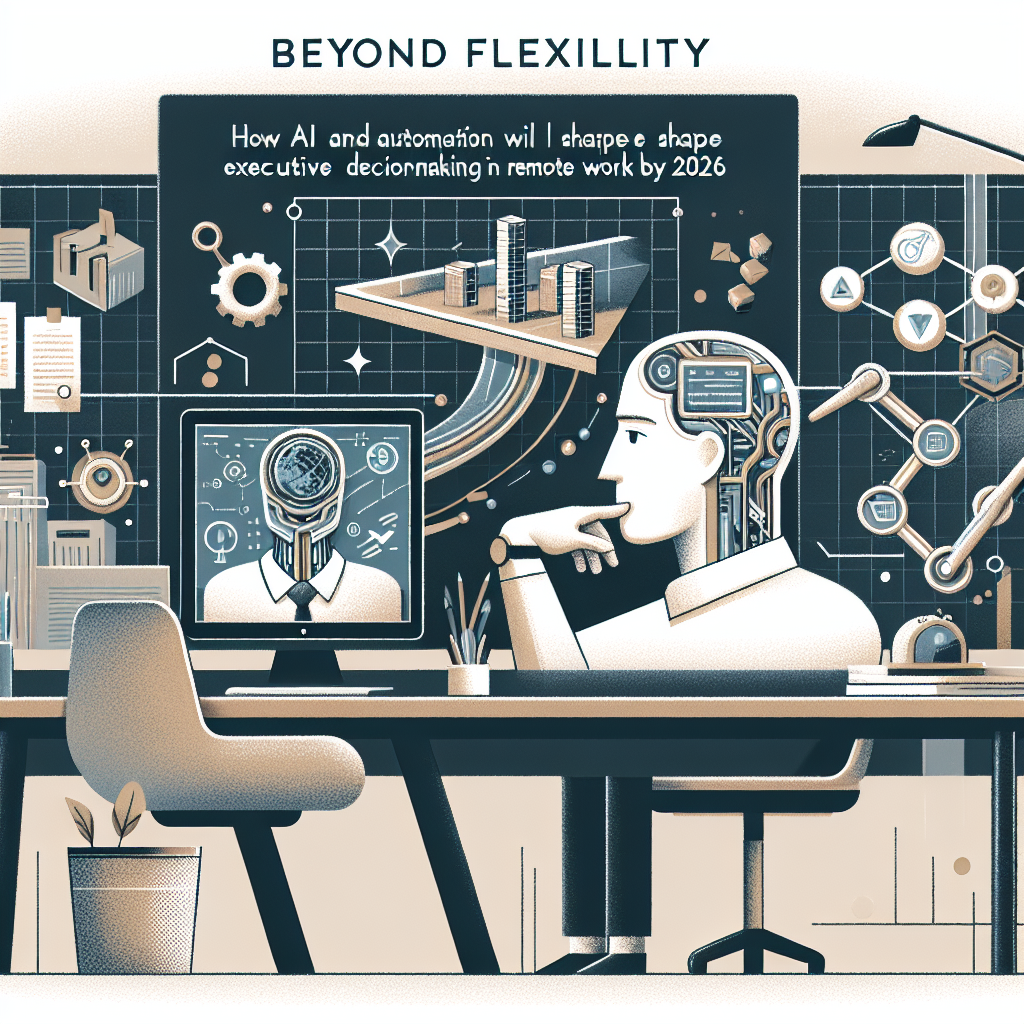
The integration of AI and automation in remote work is not merely a trend; it’s a profound shift that will shape the future of work by 2026. Companies that embrace these technologies will not only enhance productivity but also create a more engaged and satisfied workforce. As we navigate this new landscape, it’s crucial to strike a balance between leveraging technology and maintaining the human connections that foster collaboration and creativity.
To prepare for this future, consider these actionable takeaways:
- Invest in AI-powered collaboration tools that enhance communication and workflow.
- Automate repetitive tasks to increase efficiency and reduce burnout.
- Prioritize team culture and employee well-being to maintain engagement in a remote setting.
- Stay informed about emerging technologies and trends to adapt to changes in the workplace.
As we look ahead, embracing the changes brought by AI and automation will be essential for navigating the future of remote work successfully.