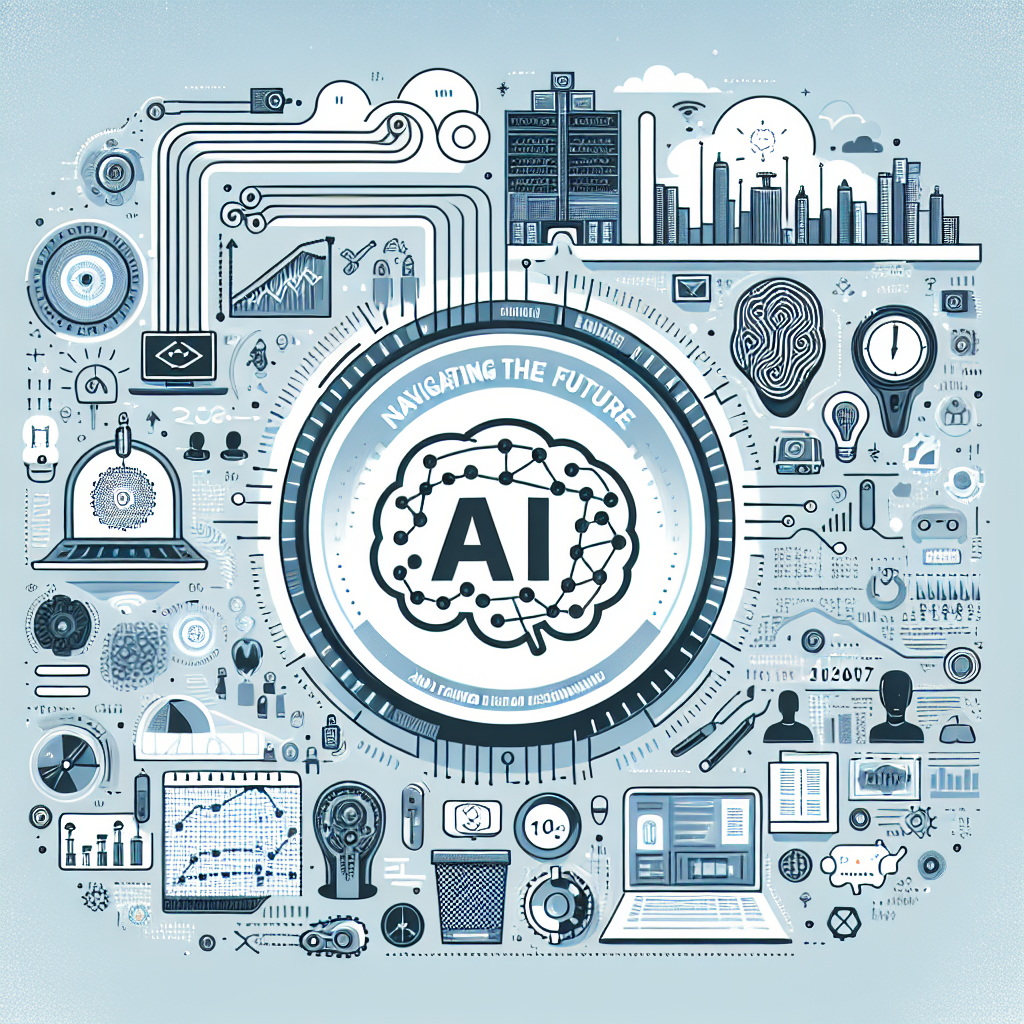
Navigating the Future: How AI-Driven Insights and Automation Will Transform Product Management Strategies by 2026
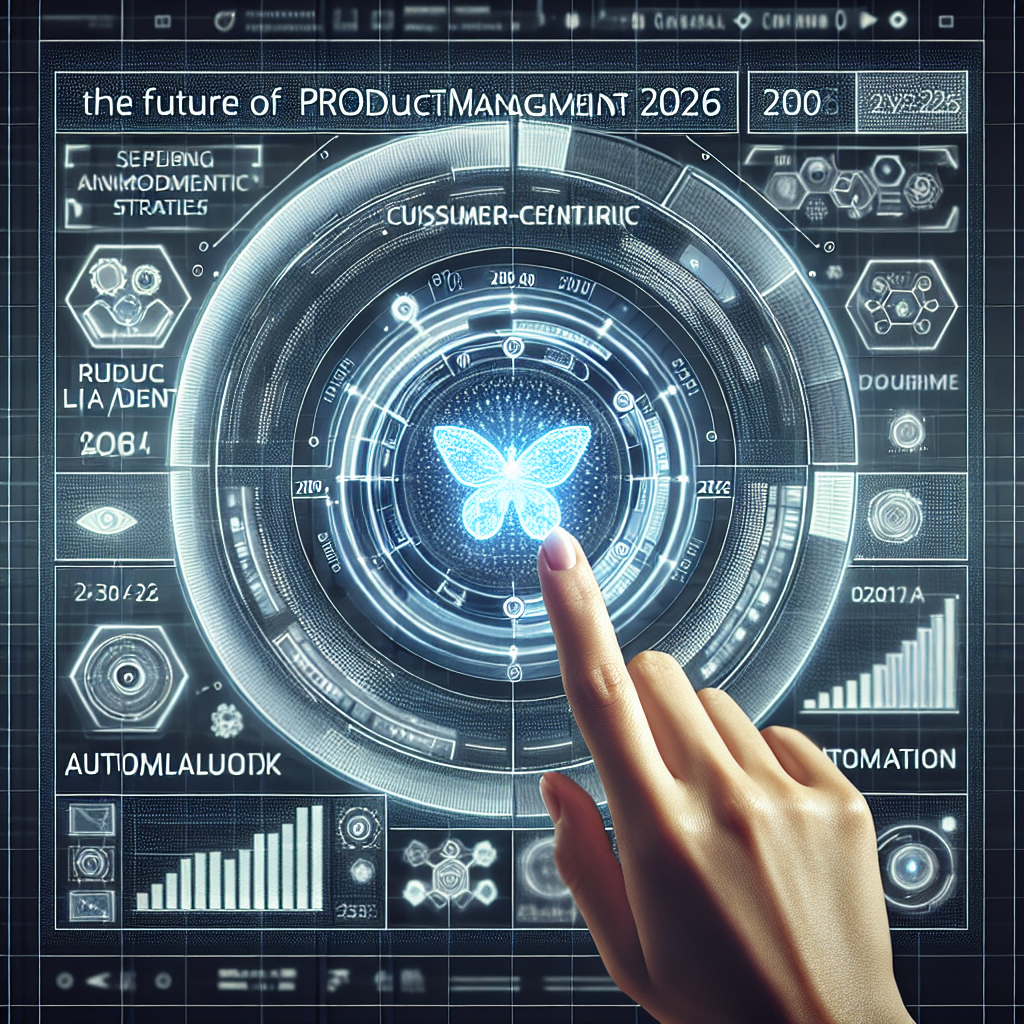
The landscape of product management is undergoing a seismic shift as we move towards 2026. With the advent of artificial intelligence (AI) and automation, product managers are now equipped with tools that not only enhance their decision-making processes but also streamline workflows and improve customer experiences. As we delve into how these technologies are reshaping product management strategies, it’s essential to understand the implications and prepare for this transformative journey.
The Rise of AI-Driven Insights
AI is no longer a futuristic concept; it is a current reality that is reshaping industries. According to Gartner, by 2026, 70% of organizations will leverage AI to drive business decisions, including product management. This trend signifies a shift from intuition-based strategies to data-driven insights, providing product managers with a clearer understanding of market demands and user preferences.
Understanding Customer Behavior
One of the most significant advantages of AI is its ability to analyze vast amounts of data quickly and accurately. Tools like machine learning algorithms can identify patterns in customer behavior, allowing product managers to tailor their offerings more effectively. For instance, Netflix utilizes AI algorithms to recommend content based on user viewing habits, thereby enhancing user engagement and satisfaction. By 2026, similar AI-driven insights will empower product managers to predict trends, optimize features, and refine their product roadmaps.
Enhancing Competitive Analysis
In a competitive market, staying ahead of rivals is crucial. AI tools can automate the analysis of competitors’ strategies, product launches, and customer feedback, providing product managers with actionable insights that would be labor-intensive to gather manually. This not only saves time but also equips teams with the knowledge needed to adapt and innovate proactively.
Automation: Streamlining Processes for Efficiency
As product managers face increasing demands, the automation of repetitive tasks is becoming essential. According to a study by McKinsey, automation can boost productivity by up to 30%. By 2026, we can expect to see automation playing a central role in product management, allowing teams to focus on strategic initiatives rather than mundane tasks.
Automating Product Development
Automation tools like Jira and Trello have already begun to streamline project management processes. By 2026, we can anticipate even more sophisticated tools that integrate AI-driven analytics with automation to enhance product development cycles. For example, automated testing tools can significantly reduce the time spent on quality assurance, enabling teams to release products faster without compromising on quality.
Enhancing Collaboration and Communication
Effective collaboration is key to successful product management. Automation can facilitate better communication within teams and between departments. Tools like Slack and Microsoft Teams are increasingly integrating AI features that help summarize conversations, share updates, and track project milestones. By reducing communication overhead, product managers can maintain alignment across teams and ensure that everyone is on the same page.
Leveraging Predictive Analytics for Strategic Planning
Predictive analytics is set to revolutionize strategic planning in product management. By modeling outcomes based on historical data, product managers can make informed decisions that align with future market conditions. According to a report from Deloitte, companies that implement predictive analytics can achieve a 10% increase in revenue and a 5% reduction in costs.
Scenario Planning and Risk Management
With predictive analytics, product managers can engage in scenario planning, assessing various potential future scenarios based on existing data. This proactive approach allows teams to identify risks early and develop contingency plans. For instance, if a predictive model indicates a potential decline in user engagement, product teams can pivot quickly to address the issue before it impacts revenue.
Personalization at Scale
By 2026, the ability to deliver personalized experiences will be a significant differentiator for products in any industry. AI-driven analytics can segment users based on behavior and preferences, enabling product managers to tailor features and marketing efforts. For example, e-commerce platforms like Amazon utilize AI to provide personalized shopping experiences, significantly boosting conversion rates and customer loyalty.
Preparing for the Future of Product Management
As we approach 2026, product managers must adapt to the evolving landscape shaped by AI and automation. Here are some actionable takeaways to prepare for this transformation:
- Invest in Training: Equip your team with the necessary skills to leverage AI tools and analytics effectively. Continuous learning will be essential in staying competitive.
- Embrace a Data-Driven Culture: Foster an organizational culture that prioritizes data-driven decision-making. Encourage experimentation and the use of insights in product development.
- Collaborate Across Teams: Break down silos within your organization. Collaboration between product management, marketing, and development teams will enhance innovation and responsiveness.
- Stay Agile: Embrace agile methodologies to respond quickly to changing market conditions and customer feedback, ensuring that your product remains relevant and competitive.
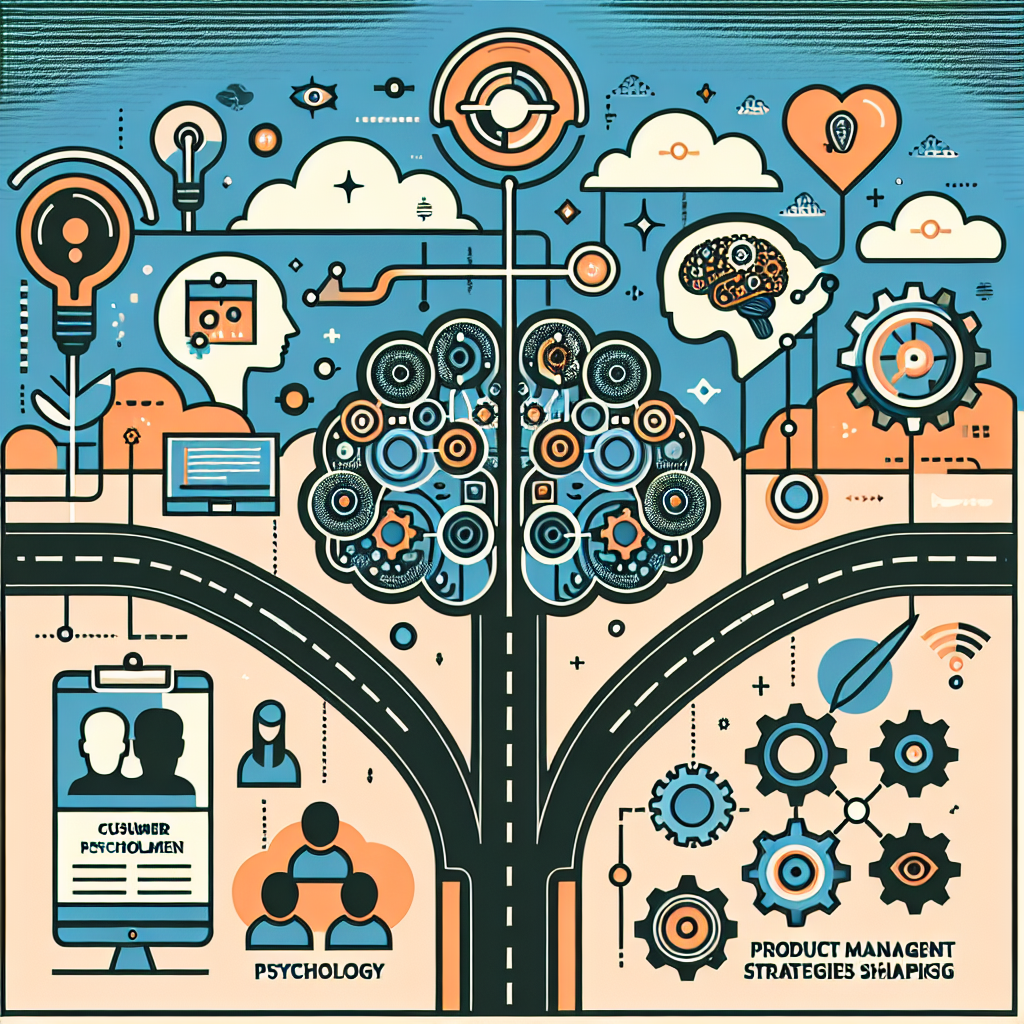
In conclusion, the future of product management is bright, driven by AI and automation. By leveraging these technologies, product managers can gain deeper insights, streamline processes, and deliver personalized experiences that resonate with users. As we approach 2026, embracing these changes will be crucial for organizations looking to thrive in an increasingly competitive landscape.