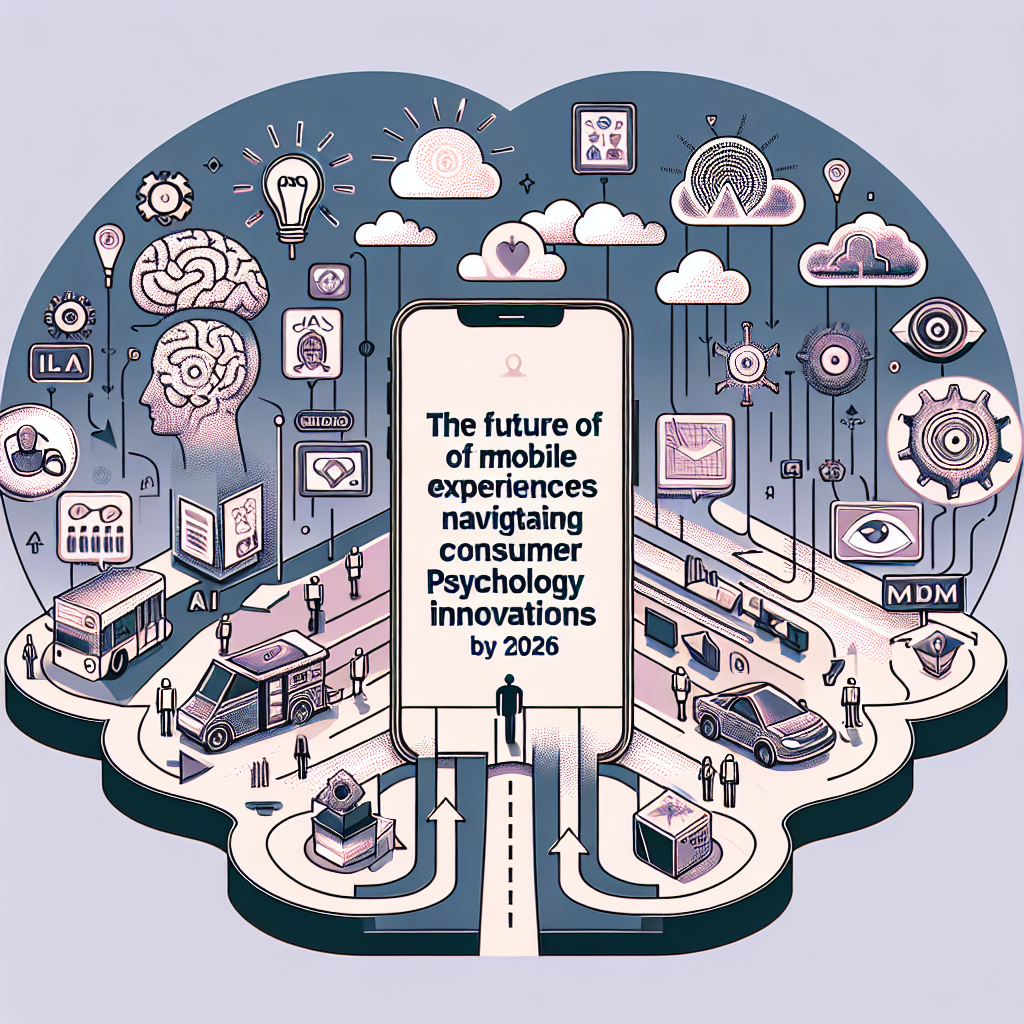
Navigating the Future: How AI-Driven Personalization Will Revolutionize Mobile App Development by 2026
As we stand on the brink of a technological renaissance, the mobile app development landscape is set for a transformative shift. By 2026, artificial intelligence (AI) driven personalization will not only enhance user experiences but redefine how developers approach design, functionality, and user engagement. Understanding this evolution is crucial for businesses looking to thrive in an increasingly competitive market.
The Rise of AI in Mobile App Development
The integration of AI into mobile app development is not a distant dream; it is already happening. According to a report by Statista, the global AI software market is projected to reach $126 billion by 2025, with mobile applications being a significant contributor. As AI technologies become more accessible, developers are leveraging machine learning, natural language processing, and data analytics to create smarter, more responsive applications.
Understanding User Behavior Through Data
One of the most profound impacts of AI in mobile app development is its ability to analyze user behavior. Traditional app development often involved guessing user preferences based on demographic data. However, AI allows for the aggregation of vast amounts of data, enabling developers to understand user interactions in real time. This data-driven approach ensures that apps can adapt to individual preferences automatically.
For instance, Spotify utilizes AI to analyze listening habits and provide personalized playlists. This level of customization keeps users engaged and increases retention rates—an essential factor in the app economy where user acquisition costs are skyrocketing.
The Personalization Revolution
By 2026, we can expect personalization to become the norm rather than the exception. Apps that provide tailored experiences will not just enhance user satisfaction; they will also foster brand loyalty. The key to this transformation lies in AI’s ability to deliver hyper-personalized content and recommendations.
Dynamic Content Delivery
Imagine an e-commerce app that not only remembers your previous purchases but also anticipates what you might need next. AI algorithms will analyze your shopping habits, seasonal trends, and even social media activity to recommend products that align perfectly with your preferences. According to a study by Epsilon, 80% of consumers are more likely to make a purchase when brands offer personalized experiences. This statistic underscores the importance of AI-driven personalization in driving sales and enhancing customer satisfaction.
Enhancing User Experience through AI
As AI technologies evolve, so too will the user experience. The future of mobile app development will involve creating intuitive interfaces that learn and adapt to user preferences. Voice recognition, chatbots, and augmented reality (AR) are just a few examples of how AI can enhance user interaction.
Conversational Interfaces and Chatbots
AI-powered chatbots are becoming a staple in customer service applications. By 2026, we can expect these bots to become more sophisticated, providing users with instant responses and personalized support. This not only improves user satisfaction but also reduces operational costs for businesses. Companies like Zendesk are already leveraging AI chatbots to streamline customer interactions, and the results speak for themselves—faster response times lead to happier customers.
Challenges and Considerations
While the prospects of AI-driven personalization are exciting, several challenges remain. Data privacy concerns are at the forefront, with users becoming increasingly wary of how their data is used. App developers will need to prioritize transparency and security to build trust with their users.
Balancing Personalization with Privacy
In an age where data breaches make headlines, ensuring user privacy will be paramount. Mobile app developers must implement robust security measures and comply with regulations such as GDPR. Building a transparent data usage policy will not only enhance user trust but will also set businesses apart in a crowded marketplace.
The Road Ahead: Preparing for the Future
To prepare for this shift towards AI-driven personalization, developers and businesses should embrace a proactive approach. Here are some actionable takeaways:
- Invest in AI Technologies: Start integrating AI tools into your app development process. Whether it's through machine learning algorithms or analytics platforms, the investment will pay off in the long run.
- Focus on User-Centric Design: Prioritize user experience by designing interfaces that adapt to individual preferences. Conduct user testing to understand pain points and areas for improvement.
- Emphasize Data Privacy: Establish clear data usage policies and comply with regulations to build user trust. Transparency is key in today's data-driven environment.
In conclusion, as we approach 2026, AI-driven personalization will play a transformative role in mobile app development. By leveraging data analytics, enhancing user experience, and prioritizing privacy, businesses can navigate this future successfully. The path ahead is not just about adopting new technologies but about understanding the evolving needs of users and meeting them effectively. Those who embrace this change will not only lead the market but also create meaningful connections with their users.