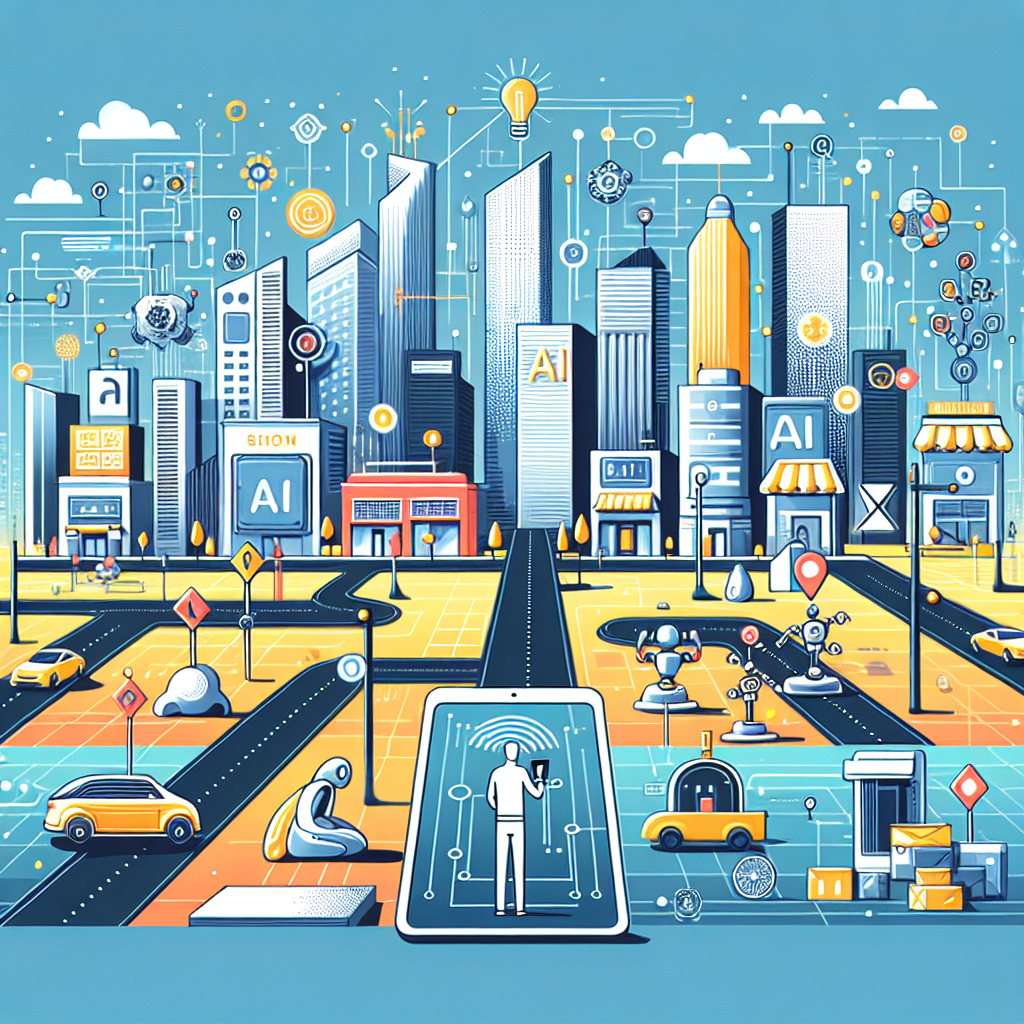
Navigating the New Frontier: How AI-Driven Consumer Insights Will Reshape Market Strategies by 2026
As we stand on the brink of a technological revolution, the integration of artificial intelligence (AI) into business strategies is no longer a futuristic concept; it is a present-day reality. The capacity of AI to analyze vast amounts of data and generate actionable insights is transforming the way companies understand consumer behavior. By 2026, it's expected that AI-driven consumer insights will not only reshape market strategies but also redefine the very nature of consumer engagement. In this blog post, we'll explore how businesses can harness these insights to stay ahead of the curve and what this means for the future of marketing.
The Emergence of AI in Consumer Insights
AI's role in consumer insights has evolved dramatically over the past few years. According to a report by McKinsey, companies that effectively use AI in their marketing strategies can expect a 20% increase in revenue. This surge is attributed to AI's ability to analyze consumer data at an unprecedented scale, uncovering patterns and trends that would take human analysts years to discern.
Understanding Consumer Behavior
AI algorithms can now process data from various sources—social media interactions, purchase histories, and even browsing behaviors—to create a comprehensive profile of consumer preferences. This allows businesses to understand not just what their customers are buying, but why they are making those choices. For example, Starbucks uses AI to analyze customer data and tailor its marketing campaigns accordingly, resulting in a more personalized experience that drives customer loyalty.
Impact on Market Strategies
As AI continues to refine the collection and analysis of consumer data, the strategies businesses implement will inevitably shift. Here are several key areas where we can expect to see significant changes by 2026:
Personalization at Scale
One of the most exciting prospects of AI-driven insights is the potential for ultra-personalized marketing. Companies can leverage AI to segment their audiences with incredible precision, allowing for customized messaging that speaks directly to individual consumers. For instance, Netflix employs AI algorithms to recommend shows based on viewing habits, significantly enhancing user engagement. By 2026, companies across various sectors will likely adopt similar strategies, providing tailored experiences that resonate with their target markets.
Predictive Analytics and Anticipatory Marketing
Predictive analytics, powered by AI, is set to revolutionize how businesses approach their marketing strategies. By analyzing historical data, AI can forecast future consumer behaviors, enabling companies to proactively meet customer needs. For example, Amazon uses predictive analytics to anticipate product demand, ensuring they have the right items in stock at the right time. This proactive approach will become increasingly common, allowing businesses to stay one step ahead of their competition.
Challenges in Implementing AI-Driven Insights
While the benefits of AI-driven consumer insights are clear, there are challenges that businesses must navigate to fully leverage this technology. Data privacy concerns, for one, are paramount. With increasing regulations around data protection, companies must ensure they are collecting and utilizing consumer data ethically and transparently. A survey conducted by Deloitte found that 63% of consumers are concerned about how their data is being used. Thus, businesses need to strike a balance between personalization and privacy.
Investing in Technology and Talent
Additionally, adopting AI-driven consumer insights requires significant investment in technology and talent. Companies must not only acquire sophisticated AI tools but also ensure they have the skilled personnel to interpret the data effectively. Collaborating with AI experts and data scientists can bridge this gap, allowing businesses to maximize the potential of AI technologies.
Looking Ahead: What Businesses Can Do Now
As we move toward 2026, businesses must start preparing for the AI-driven future. Here are a few actionable steps companies can take today:
- Invest in AI Technology: Begin exploring AI tools that can help with data analysis, customer segmentation, and predictive analytics. Tools like Google Analytics and HubSpot offer AI-driven features that can enhance your marketing efforts.
- Prioritize Consumer Privacy: Develop a transparent data collection policy that prioritizes consumer privacy. Communicate openly with your customers about how their data is used and the benefits they will receive in return.
- Focus on Talent Development: Train your existing staff on how to leverage AI technologies. Consider hiring or partnering with data scientists who can help interpret complex data sets.
- Embrace a Culture of Experimentation: Encourage a mindset of experimentation across your organization. Use AI insights to test new marketing strategies and adapt based on what works best.
Conclusion
The integration of AI-driven consumer insights into market strategies is not merely a trend; it is a pivotal shift that will shape the future of business. By embracing these insights, companies can enhance personalization, anticipate consumer needs, and ultimately drive revenue growth. However, this transition comes with challenges that require careful navigation. By investing in technology, prioritizing consumer privacy, and cultivating talent, businesses can position themselves for success in the AI-driven landscape of 2026 and beyond. The question is not whether AI will change the market but how prepared you are to adapt and thrive in this new frontier.