The Automation Paradigm Shift: Preparing Your SaaS Business for the New Consumer Mindset in 2026
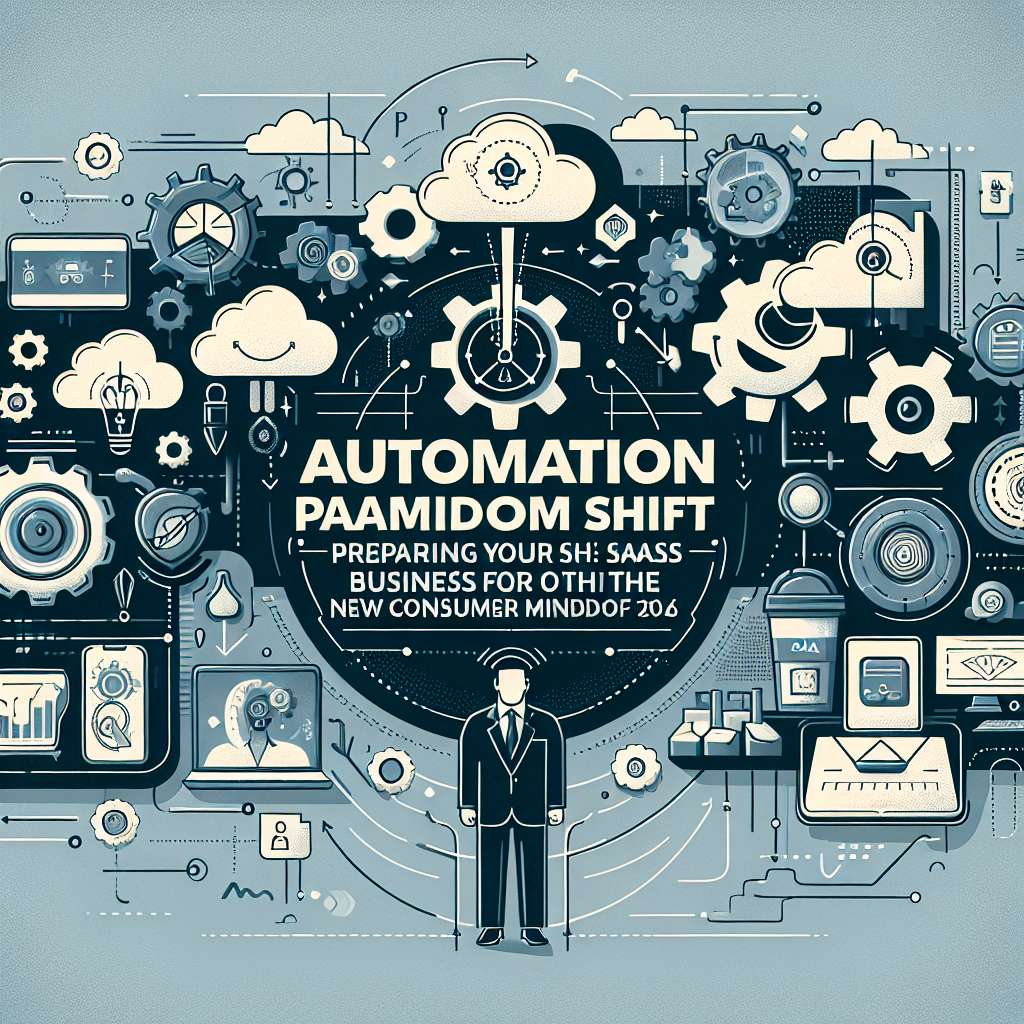
As we move deeper into the 2020s, the landscape of consumer expectations is shifting dramatically. The rise of automation is not just a trend but a fundamental change that is reshaping how businesses, especially those in the Software as a Service (SaaS) sector, engage with their customers. By 2026, the consumer mindset will have evolved significantly, demanding not just efficiency, but also personalized, seamless experiences that are driven by intelligent automation. This post explores how SaaS businesses can prepare for this paradigm shift and thrive in the new consumer landscape.
The Changing Face of Consumer Expectations
Today’s consumers are more informed and connected than ever before. A recent survey by Salesforce found that 70% of consumers expect companies to understand their needs and expectations. This means that simply providing a product or service is no longer enough; businesses must anticipate and respond to individual consumer preferences. As automation technologies become more sophisticated, they will play a crucial role in meeting these demands.
Personalization at Scale
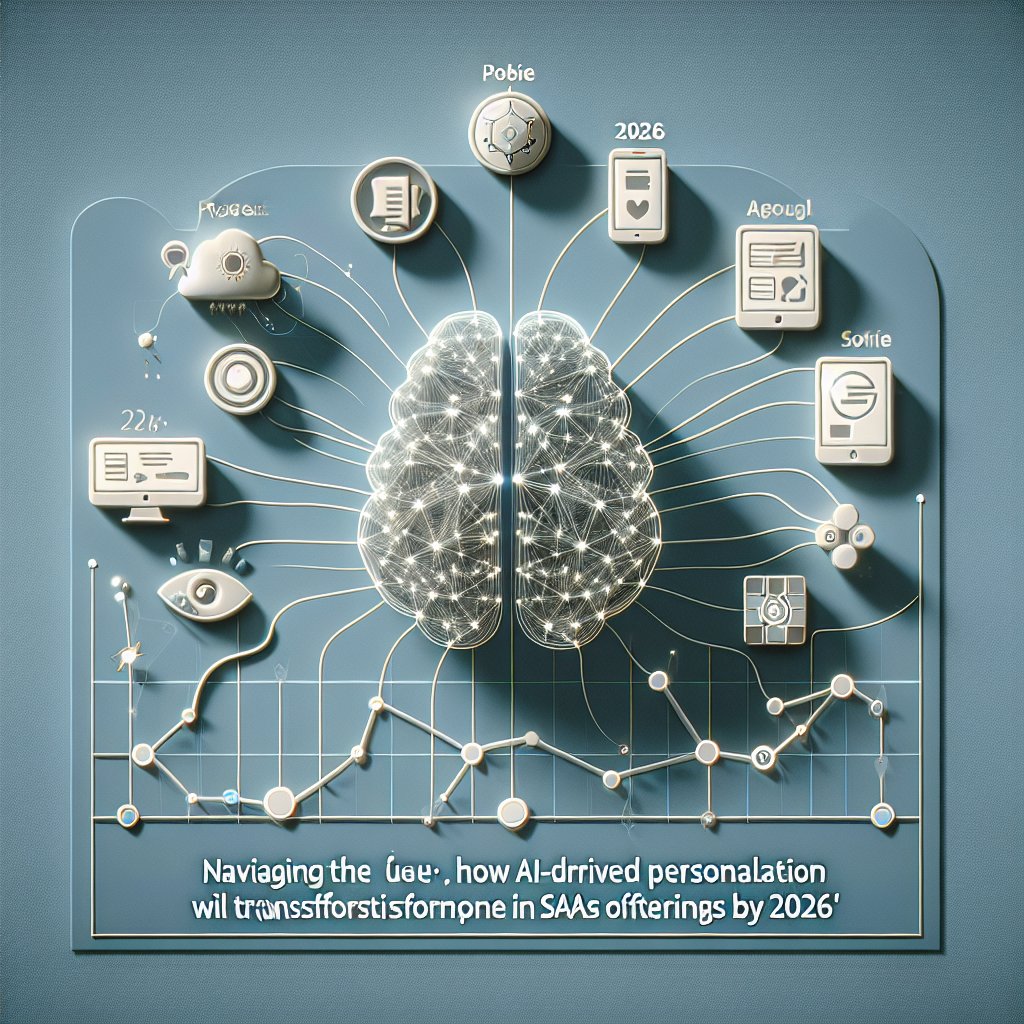
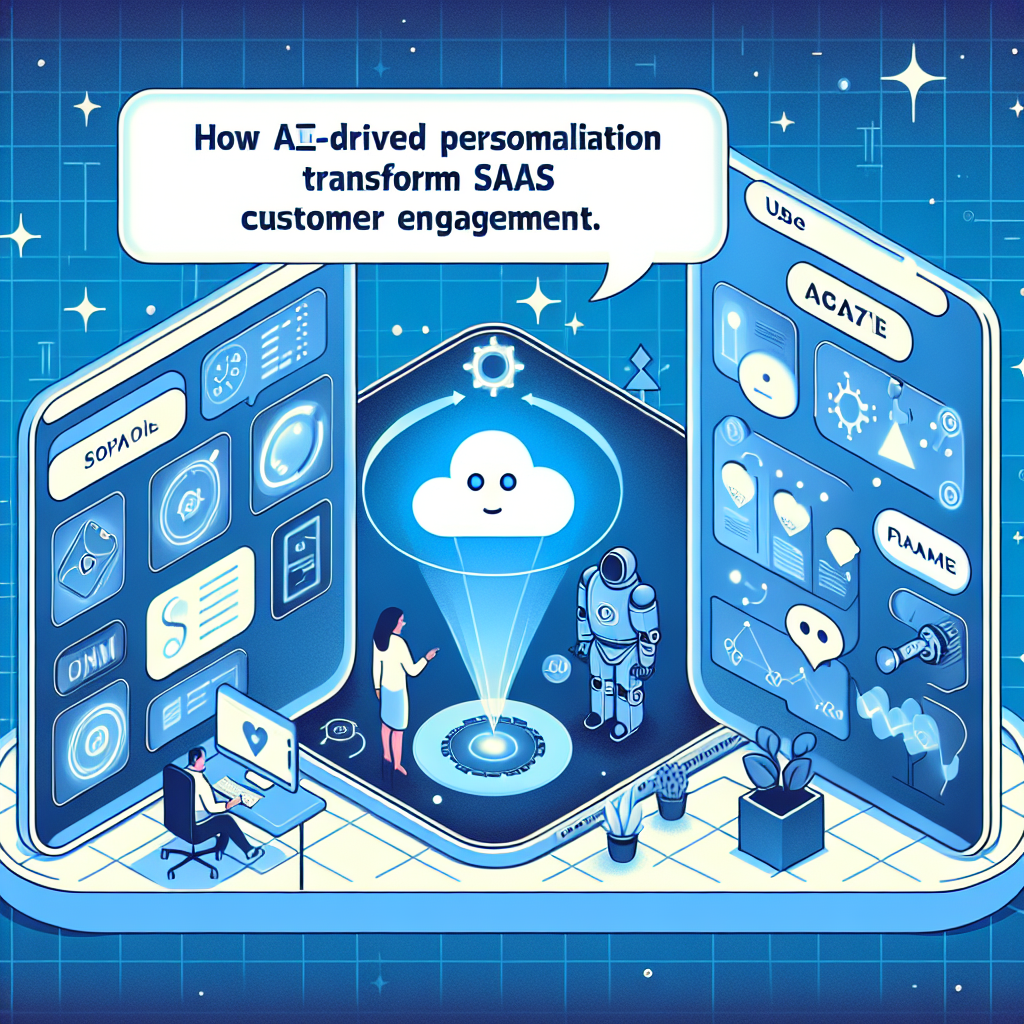
One of the most significant shifts in consumer expectations is the demand for personalized experiences. Automation enables SaaS companies to gather and analyze data at scale, allowing them to tailor their offerings to individual users. According to McKinsey, personalized marketing can deliver five to eight times the ROI on marketing spend. This kind of targeted approach not only enhances customer satisfaction but also fosters loyalty, making it essential for SaaS businesses to invest in automation tools that facilitate this level of personalization.
Embracing Intelligent Automation
Intelligent automation combines artificial intelligence (AI) with automation to streamline processes and enhance decision-making. For SaaS businesses, this means not just automating repetitive tasks, but also using AI to gain insights that can drive strategic decisions. For example, a SaaS company might use AI-driven analytics to identify trends in user behavior, allowing them to refine their product offerings and marketing strategies.
Case Study: How Automation Transformed a SaaS Company
Consider the case of HubSpot, a leading inbound marketing and sales platform. By leveraging automation in their customer relationship management (CRM) system, HubSpot was able to reduce customer onboarding time by 50%. This not only improved customer satisfaction but also allowed the company to scale its operations without a proportional increase in resources. By adopting similar automation strategies, other SaaS businesses can enhance operational efficiency and improve customer experiences.
Building Trust Through Transparency
As automation becomes more prevalent, consumers are becoming increasingly aware of the implications for their privacy and data security. A study by PwC found that 85% of consumers will not do business with a company if they have concerns about its security practices. For SaaS businesses, building trust through transparency is vital. This can be achieved by clearly communicating how customer data is used, ensuring compliance with regulations, and implementing robust security measures.
Strategies for Transparency
To foster trust, SaaS companies should consider the following strategies:
- Clear Communication: Be upfront about data collection practices and how customer information is used.
- Privacy Policies: Regularly update privacy policies to reflect current practices and regulations.
- Security Measures: Invest in advanced security technologies and share these efforts with customers to demonstrate commitment to their safety.
The Role of Continuous Learning and Adaptation
In the fast-paced world of SaaS, the ability to learn and adapt is crucial. As consumer expectations evolve, so too must the strategies that businesses employ. This means regularly updating automation tools and techniques to stay ahead of the competition. According to Gartner, by 2025, 80% of organizations will need to scale their automation capabilities to stay competitive.
Implementing a Culture of Innovation
To foster continuous learning, SaaS companies should cultivate a culture of innovation. This can be achieved by:
- Encouraging Experimentation: Allow teams to test new ideas and learn from failures without fear of repercussions.
- Investing in Training: Provide ongoing training for employees on the latest automation technologies and trends.
- Gathering Feedback: Regularly solicit feedback from customers to identify areas for improvement and innovation.
Conclusion: Preparing for 2026
As we look toward 2026, the automation paradigm shift presents both challenges and opportunities for SaaS businesses. By embracing intelligent automation, personalizing customer experiences, and fostering transparency and innovation, companies can position themselves to meet the evolving expectations of consumers. The key takeaway is to start investing in automation now—not just as a tool for efficiency, but as a foundational element of your business strategy. The future of SaaS lies in those who can seamlessly integrate automation into their operations while prioritizing customer trust and satisfaction.
Are you ready to embrace the automation paradigm shift? Start by evaluating your current processes and identifying areas where automation can enhance your customer experience. The time to act is now.