The Convergence of AI and Emotional Intelligence: How Marketing Strategies Will Evolve in 2026
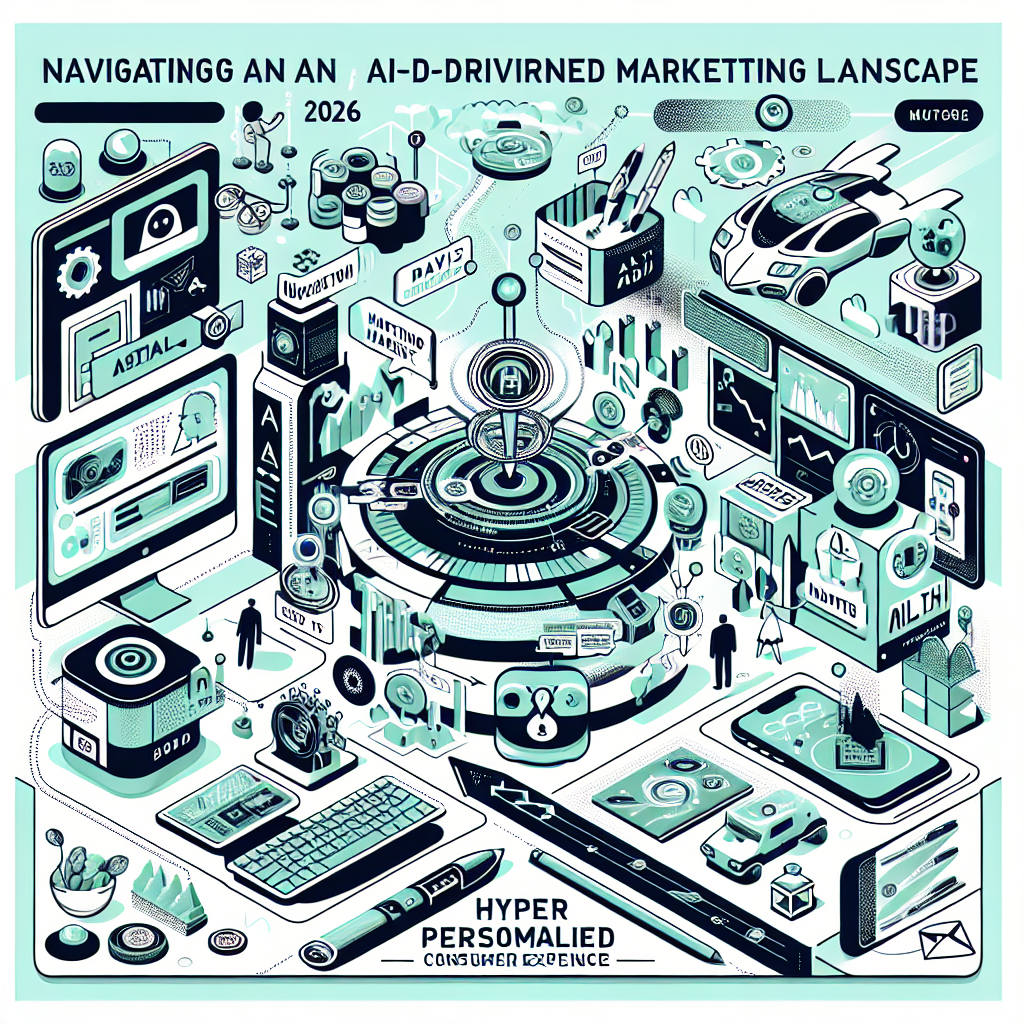
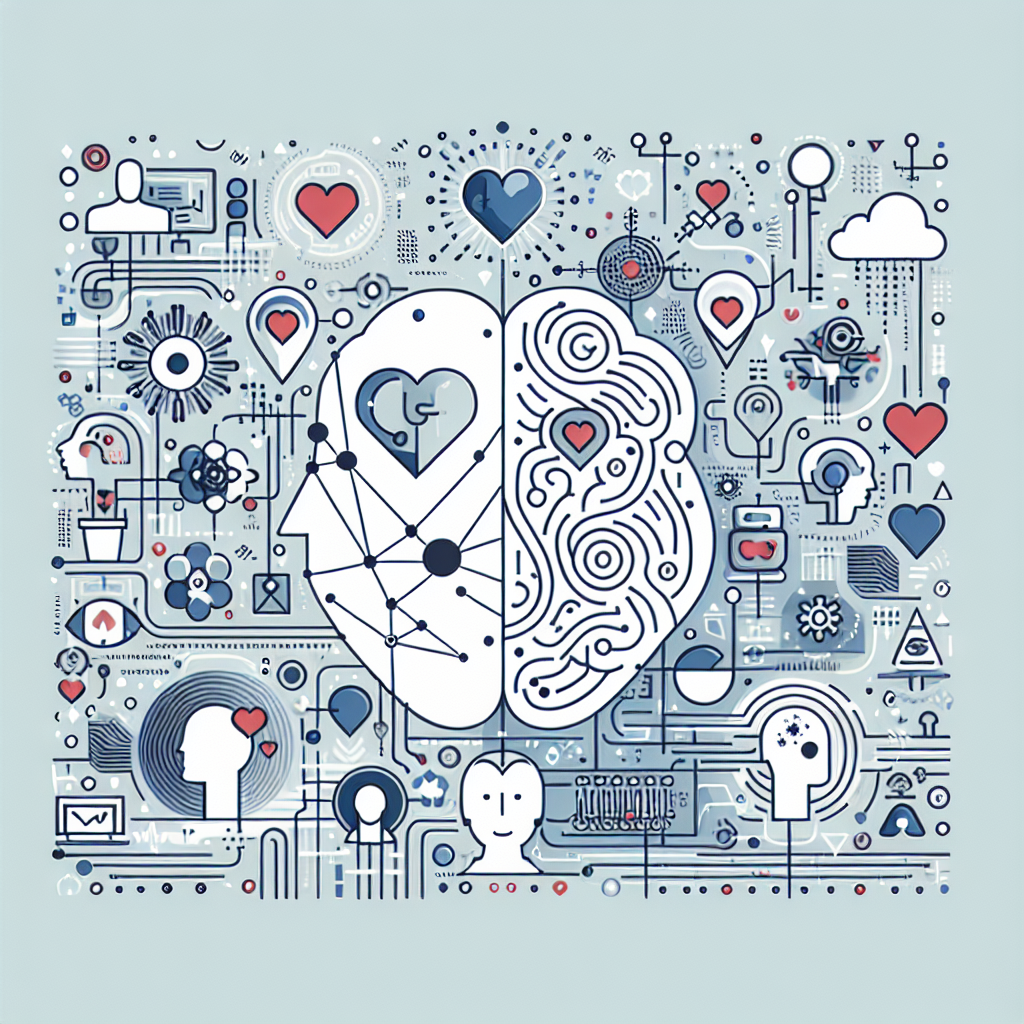
As we approach 2026, the marketing landscape is on the brink of a significant transformation. The convergence of artificial intelligence (AI) and emotional intelligence (EI) is set to redefine how brands connect with consumers, paving the way for more personalized and empathetic marketing strategies. This blog post explores this exciting intersection and what it means for marketers in the coming years.
The Rise of AI in Marketing
AI has already made a substantial impact on marketing, enabling brands to analyze consumer behavior, predict trends, and automate processes. According to a report by McKinsey, companies that leverage AI for marketing can expect a 10% to 20% increase in sales. By 2026, we can anticipate even more advanced AI tools that not only analyze data but also understand human emotions and sentiments.
Understanding Consumer Sentiment
One of the most significant advancements in AI is its ability to process natural language and recognize emotional cues from text, voice, and even facial expressions. Tools like sentiment analysis software can gauge how consumers feel about a brand based on their online interactions. This capability allows marketers to tailor their messages more effectively, ensuring that communications resonate on an emotional level.
For instance, consider a scenario where a customer expresses frustration about a product on social media. An AI-driven system could analyze the sentiment, categorize the response, and suggest immediate actions for customer support. This not only improves customer satisfaction but also builds brand loyalty through empathetic engagement.
The Role of Emotional Intelligence in Marketing
While AI provides the tools to analyze data, emotional intelligence brings the human touch that technology often lacks. EI refers to the ability to recognize, understand, and manage one’s own emotions, as well as those of others. In marketing, EI helps brands connect with consumers on a deeper emotional level, fostering trust and loyalty.
Empathy as a Marketing Strategy
Empathy will become a cornerstone of marketing strategies by 2026. Brands that can effectively demonstrate understanding and compassion towards their customers are likely to thrive. A 2021 study by the Harvard Business Review found that companies with high emotional intelligence outperform their competitors by 20%. This trend will only amplify as consumers increasingly seek brands that align with their values and emotions.
For example, brands like Dove have successfully leveraged emotional storytelling in their marketing campaigns, focusing on body positivity and self-esteem. By 2026, we can expect more brands to adopt similar approaches, using AI to analyze consumer sentiments and craft emotionally resonant narratives that reflect their audience’s values.
The Intersection of AI and EI: A New Era for Personalization
The combination of AI and emotional intelligence will lead to unprecedented levels of personalization in marketing. By 2026, we can expect AI to not only recommend products based on previous purchases but also to consider the emotional state of the consumer. This means that marketing messages will be tailored not just to demographic data but also to the emotional context of the user.
Predictive Analytics Meets Emotional Insights
Imagine a scenario where an e-commerce platform uses AI to analyze a customer’s browsing history, social media interactions, and even emotional tone in customer service chats. The platform could then predict when the customer is most likely to need a product and deliver a personalized marketing message that resonates with their current emotional state.
This level of personalization could significantly enhance user experience and increase conversion rates. A study by Epsilon revealed that 80% of consumers are more likely to make a purchase when brands offer personalized experiences. By integrating emotional insights into predictive analytics, marketers can create a seamless and engaging shopping journey.
Challenges and Ethical Considerations
Despite the promising future of AI and emotional intelligence in marketing, several challenges and ethical considerations must be addressed. The use of AI to analyze personal emotions raises questions about privacy and consent. Marketers will need to navigate these concerns carefully to maintain consumer trust.
Building Trust Through Transparency
To successfully implement AI and EI in marketing strategies, brands must prioritize transparency. Clear communication about how consumer data is collected and used will be essential in building trust. Moreover, consumers should have control over their data, allowing them to opt-in or out of personalized marketing efforts.
As we look toward 2026, marketers will need to establish ethical guidelines and best practices for leveraging AI and emotional intelligence responsibly. This will not only safeguard consumer interests but also enhance brand reputation.
Conclusion: Embracing the Future of Marketing
The convergence of AI and emotional intelligence is set to revolutionize marketing strategies by 2026. By harnessing the power of AI to analyze consumer sentiments and integrating emotional intelligence into brand messaging, marketers can create deeper connections with their audiences. The future of marketing will not only be data-driven but also empathetic and personalized.
As we prepare for this transformation, marketers should focus on the following actionable takeaways:
- Invest in AI Tools: Explore advanced AI technologies that can help analyze consumer sentiment and behavior.
- Enhance Emotional Intelligence: Train marketing teams to recognize and respond to emotional cues in consumer interactions.
- Prioritize Ethical Practices: Establish transparent data usage policies to build consumer trust.
- Focus on Personalization: Use emotional insights to create personalized marketing strategies that resonate with consumers.
By embracing these strategies, brands can navigate the evolving marketing landscape and emerge as leaders in an era defined by empathy and innovation.