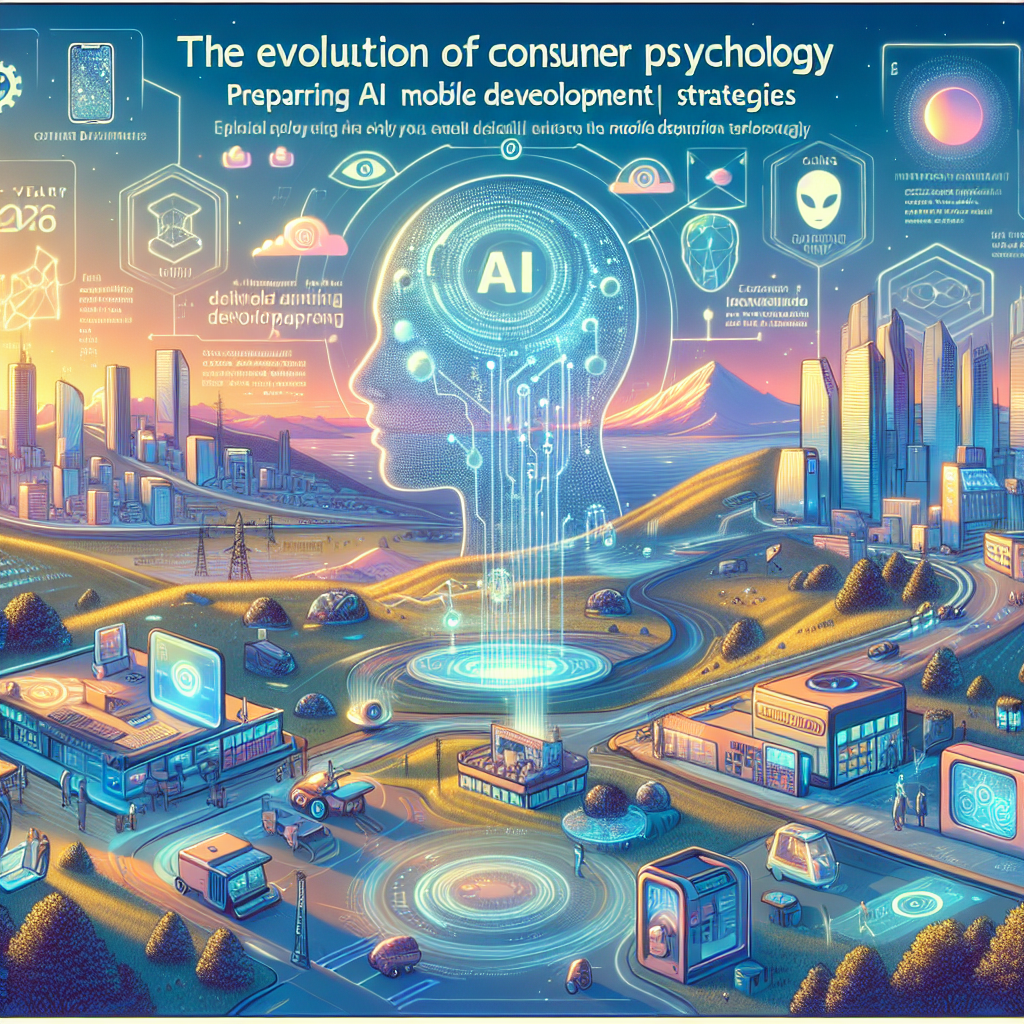
The Evolution of Consumer Psychology: Preparing Mobile Development Strategies for the AI-Driven Landscape of 2026
As we approach 2026, the intersection of consumer psychology and mobile development is undergoing a seismic shift, primarily driven by advancements in artificial intelligence (AI). Today's consumers are more tech-savvy and discerning than ever before, wielding their smartphones as powerful tools for shopping, communication, and information gathering. Understanding the evolution of consumer psychology in this context is crucial for businesses aiming to thrive in an increasingly competitive landscape. In this blog post, we will explore key trends in consumer behavior, the implications for mobile development strategies, and actionable insights to prepare for the future.
The Shift in Consumer Behavior
From Passive Consumers to Active Participants
In the early days of mobile commerce, consumers were largely passive participants, absorbing information and making purchases with minimal interaction. However, a shift has occurred; consumers now actively engage with brands through various touchpoints. According to a recent report by Deloitte, 70% of consumers expect personalized experiences tailored to their preferences and behaviors. This shift has transformed consumers into active participants who expect brands to anticipate their needs.
The Role of AI in Shaping Expectations
AI technology is at the forefront of this evolution, enabling brands to harness vast amounts of data to create personalized experiences. For instance, streaming services like Spotify and Netflix use machine learning algorithms to analyze user behavior, offering tailored content recommendations. As consumers become accustomed to these personalized experiences, they will increasingly expect similar treatment from mobile applications across all industries.
Understanding the AI-Driven Landscape
Consumer Trust and Transparency
As AI becomes more integrated into mobile applications, consumer trust will be paramount. A 2022 survey by PwC revealed that 78% of consumers are concerned about how companies use their data. Brands must prioritize transparency in their AI-driven strategies to build trust and foster loyalty. This can include clear communication about data usage, offering opt-in options, and providing consumers with control over their data.
Emotional Engagement Through AI
Another critical aspect of consumer psychology is the emotional connection brands can establish with their audience. AI can analyze consumer sentiment and feedback, enabling brands to create emotionally resonant experiences. For example, chatbots powered by AI can provide customer support that feels more human, addressing concerns empathetically and efficiently. By leveraging AI to enhance emotional engagement, brands can foster deeper connections with their consumers, leading to increased loyalty and advocacy.
Strategies for Mobile Development in 2026
Prioritize Personalization
To stay relevant in the AI-driven landscape of 2026, mobile developers must prioritize personalization in their applications. This means utilizing AI to analyze user data and create tailored experiences. Simple strategies can include personalized notifications, customized user interfaces, and product recommendations that align with individual preferences. A study by Epsilon found that 80% of consumers are more likely to make a purchase when brands offer personalized experiences, underscoring the importance of this strategy.
Focus on User Experience (UX)
The success of any mobile application hinges on its user experience. As consumers become more discerning, a seamless UX will be critical. This includes optimizing loading times, ensuring intuitive navigation, and providing engaging content. Additionally, integrating AI-powered features like voice search and chatbots can enhance UX by making interactions more natural and efficient. A report by Google highlights that 53% of mobile site visits are abandoned if a page takes longer than three seconds to load, emphasizing the need for speed and usability.
Embrace Ethical AI Practices
With increasing scrutiny on data privacy and ethical considerations surrounding AI, it is essential for mobile developers to adopt ethical AI practices. This includes implementing robust data protection measures, ensuring compliance with regulations like GDPR, and actively engaging consumers in discussions about data usage. By positioning themselves as ethical leaders in the AI space, brands can differentiate themselves and build lasting consumer trust.
Conclusion: Preparing for a Consumer-Centric Future
The evolution of consumer psychology in the AI-driven landscape of 2026 presents both challenges and opportunities for mobile development. By understanding the shift towards active consumer participation, prioritizing personalization, enhancing UX, and embracing ethical AI practices, brands can prepare to meet the demands of the future. As we move forward, it is essential for businesses to remain agile and responsive to the changing landscape, ensuring that consumer needs are at the forefront of their mobile development strategies.
In summary, as we look toward 2026, the convergence of AI and consumer psychology will redefine how brands engage with their audiences. By keeping a pulse on these trends and adopting proactive strategies, businesses can not only adapt but thrive in an ever-evolving marketplace.