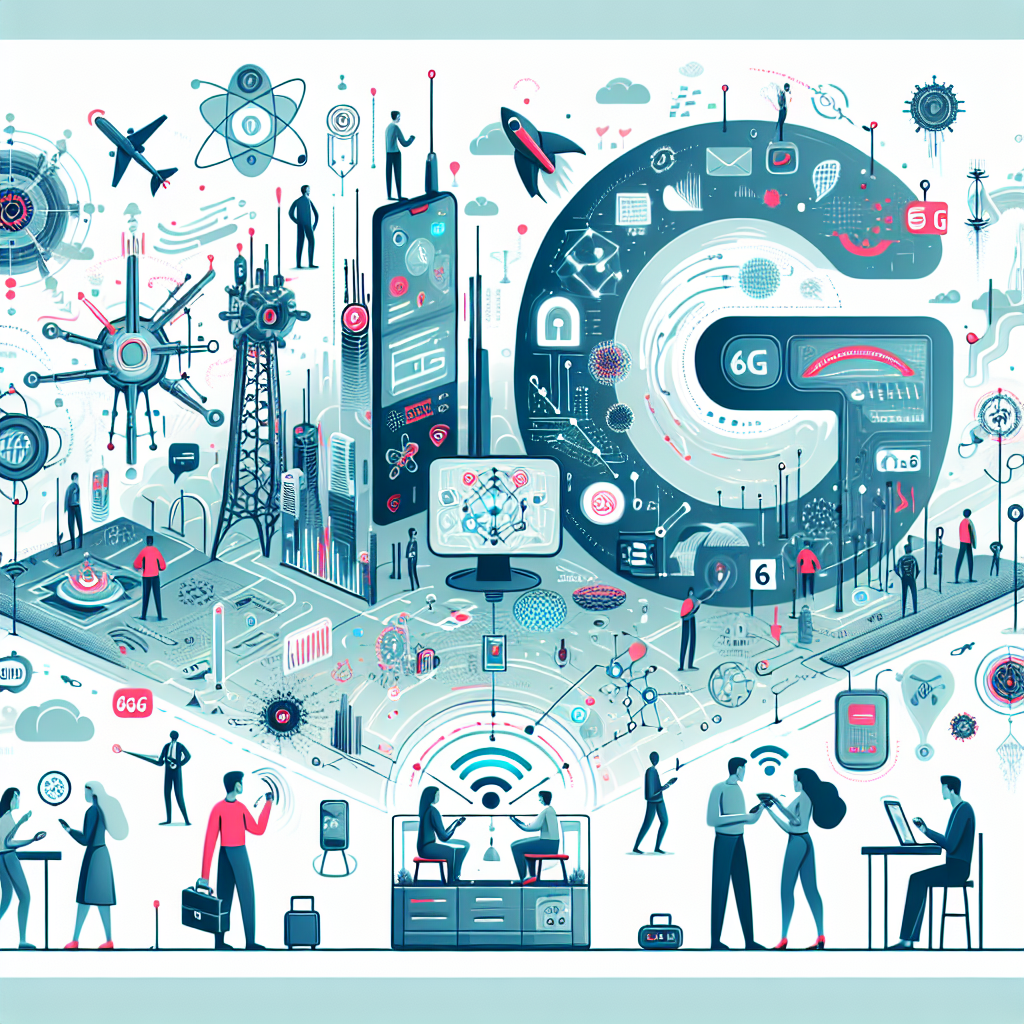
The Future of Connectivity: Exploring the Next Wave of 6G Technology and Its Impact on Our Lives
The digital landscape is evolving at an unprecedented pace, and as we stand on the cusp of introducing 6G technology, the potential implications on our daily lives are profound. While 5G connectivity has already transformed the way we communicate, work, and entertain ourselves, 6G promises to take this transformation to a whole new level. In this blog post, we will explore what 6G entails, how it differs from its predecessors, and its anticipated impact on various aspects of our lives.
Understanding 6G Technology
6G, or sixth-generation wireless technology, is poised to revolutionize connectivity by offering significantly faster speeds, reduced latency, and enhanced connectivity capabilities. While 5G networks can deliver speeds of up to 10 Gbps, 6G aims to achieve speeds of 100 Gbps or even higher, enabling seamless streaming of ultra-high-definition content and real-time data processing.
The Science Behind 6G
At its core, 6G technology will leverage advanced technologies such as terahertz waves, artificial intelligence (AI), and machine learning to enhance network performance. Terahertz waves, which operate in the frequency range of 0.1 to 10 THz, provide the bandwidth necessary for ultra-fast data transfer and high-capacity communication. This will enable more devices to connect simultaneously while maintaining high-speed performance, crucial for the growing Internet of Things (IoT).
Transforming Daily Life with 6G
The anticipated rollout of 6G technology will have a profound impact on various sectors, reshaping how we live, work, and interact with the world around us.
Enhanced Communication and Collaboration
With 6G, remote communication will reach new heights. Imagine high-fidelity holographic calls that allow you to feel as if you are in the same room as your colleagues or loved ones, regardless of your physical location. This technology could redefine telecommuting, fostering a sense of presence and collaboration that is currently unattainable.
Smart Cities and IoT Revolution
6G will act as the backbone for smart cities, where everything from traffic lights to waste management systems will be interconnected. The hyper-connectivity enabled by 6G will facilitate real-time data exchange, improving urban infrastructure and making cities more efficient and sustainable. For instance, traffic congestion could be significantly reduced through smart traffic management systems that adapt in real time based on current conditions.
Healthcare Innovations
In the healthcare sector, 6G technology will enable remote surgeries and telemedicine on an unprecedented scale. Surgeons could operate on patients located thousands of miles away with minimal latency, thanks to the ultra-reliable low-latency communication (URLLC) that 6G will provide. This could democratize access to high-quality healthcare, particularly in underserved regions where specialist services are scarce.
The Challenges Ahead
Despite the immense potential of 6G, several challenges must be addressed before widespread implementation. One of the primary concerns is the infrastructure required to support terahertz communication. This includes the deployment of a dense network of antennas and base stations, which may pose logistical and financial challenges.
Privacy and Security Concerns
As with any technological advancement, the rise of 6G also raises significant privacy and security concerns. The interconnected nature of devices will make them more vulnerable to cyberattacks. Ensuring robust security protocols and protecting user data will be paramount as we enter this new era of connectivity.
Conclusion: Embracing the Future of Connectivity
As we look ahead to the deployment of 6G technology, it is essential to embrace its potential while remaining mindful of the challenges it presents. The future of connectivity is not just about faster speeds; it’s about creating a more interconnected world that enhances our daily lives, from revolutionizing communication and healthcare to building smarter cities.
To prepare for this transformative wave, individuals and businesses should stay informed about emerging technologies and consider how they can leverage them to improve efficiency and connectivity. Engaging with local and global tech communities can also provide insights into best practices for adopting and integrating 6G technology. The key takeaway is simple: as we move toward a more connected future, the opportunities for innovation and improvement are limitless.