The Future of Connectivity: How 6G and Quantum Computing Will Transform Our Digital Landscape
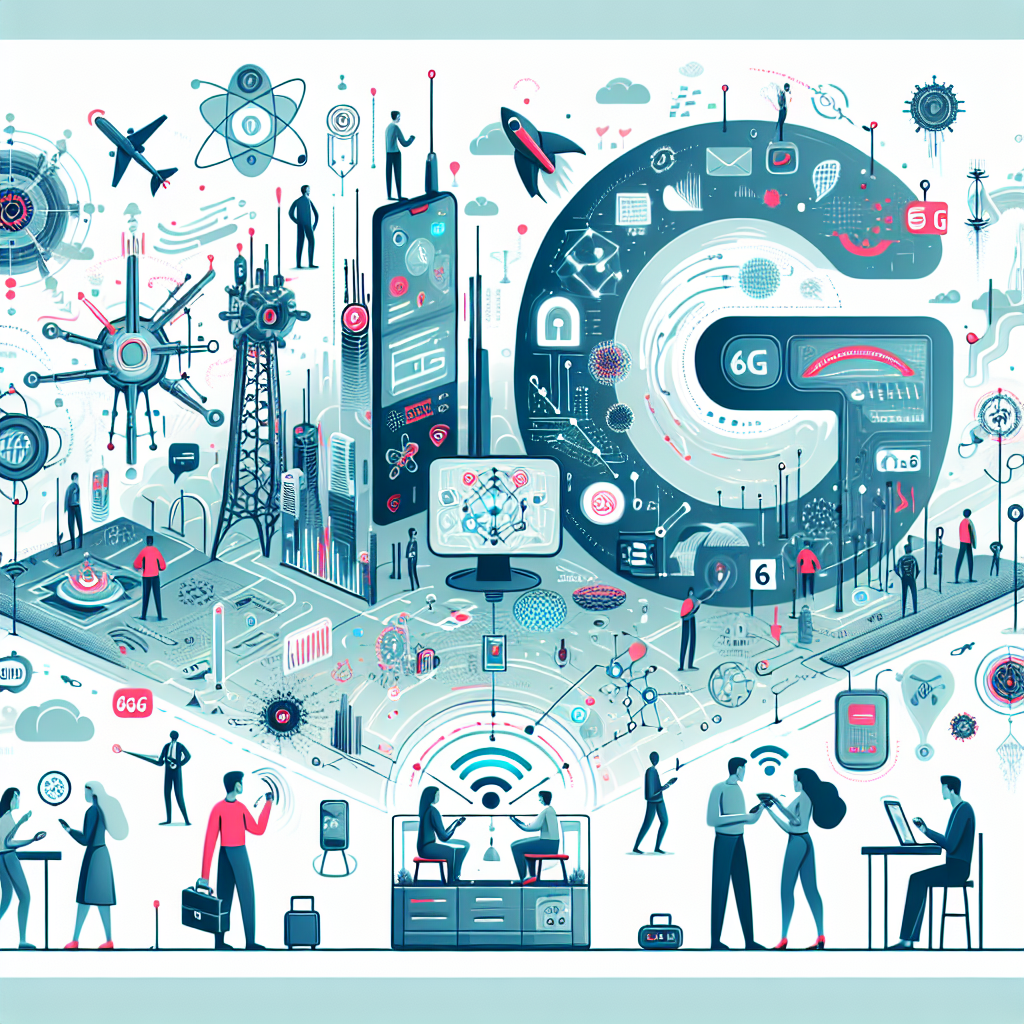
As we stand on the brink of a new technological era, the convergence of 6G connectivity and quantum computing promises to reshape our digital landscape in ways we can only begin to imagine. With the rapid evolution of technology, our expectations for connectivity are growing. 6G, the next generation of wireless technology, is set to deliver unprecedented speeds and capabilities, while quantum computing introduces a new paradigm in processing power and problem-solving. Together, they will revolutionize industries, enhance everyday life, and redefine our understanding of connectivity.
Understanding 6G: The Next Frontier in Connectivity
6G technology is anticipated to launch around 2030, and while it is still in the conceptual phase, its potential is immense. Unlike its predecessor, 5G, which already offers lightning-fast speeds of up to 10 Gbps, 6G is expected to achieve speeds up to 100 Gbps or even higher. This leap in performance will facilitate a multitude of applications that require real-time data processing.
Key Features of 6G
One of the most exciting features of 6G is its capacity for ultra-reliable low-latency communication (URLLC), which is crucial for applications such as autonomous vehicles, remote surgeries, and augmented reality (AR). Furthermore, 6G will leverage advanced technologies like terahertz (THz) waves, which will enable higher data transmission rates over longer distances.
Additionally, the integration of artificial intelligence (AI) into 6G networks will optimize performance by analyzing and predicting network traffic patterns. This means more efficient bandwidth usage and improved user experiences across various digital platforms.
The Role of Quantum Computing in Connectivity
While 6G is transforming how we connect, quantum computing is redefining the very nature of computation. Unlike classical computers that process information in binary (0s and 1s), quantum computers utilize quantum bits or qubits. This allows them to perform complex calculations at speeds unimaginable with current technology.
Potential Impacts of Quantum Computing
One of the most significant potential applications of quantum computing is in the realm of cybersecurity. Quantum encryption methods, such as quantum key distribution (QKD), promise to provide unbreakable security for data transmission. As connectivity increases and more devices come online, the need for robust security measures becomes paramount.
Moreover, quantum computing can enhance 6G networks by enabling faster data processing and more efficient algorithms for managing network traffic. This synergy between 6G and quantum computing could lead to innovations such as real-time data analytics, predictive maintenance for devices, and enhanced machine learning capabilities.
Real-World Applications: A Glimpse into the Future
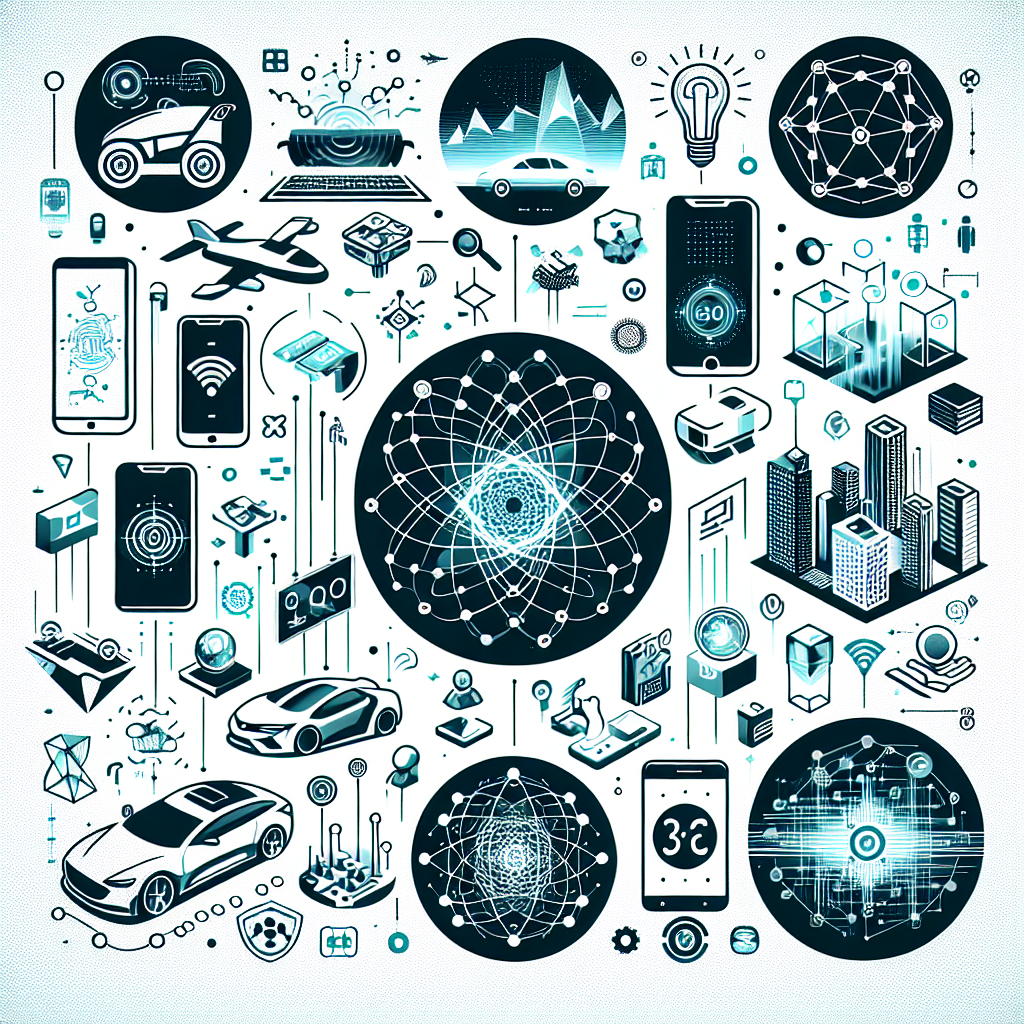
The combination of 6G and quantum computing will have far-reaching implications across various sectors. For example, in healthcare, real-time data analysis could allow doctors to make informed decisions instantly, leading to better patient outcomes. Imagine a world where remote surgeries are performed flawlessly due to ultra-low latency connections supported by quantum-enhanced computing power.
In the realm of smart cities, the integration of 6G and quantum technology will enable seamless communication between devices, improving traffic management, energy efficiency, and public safety. Quantum algorithms can optimize resource allocation in real-time, ensuring that cities run smoothly and sustainably.
Challenges and Considerations
Despite the promise of 6G and quantum computing, several challenges lie ahead. The development of 6G infrastructure requires massive investments and a collaborative effort among governments, industries, and academia. Additionally, the deployment of quantum technology is still in its infancy, with significant technical hurdles to overcome, including error correction and qubit stability.
Furthermore, ethical considerations surrounding data privacy and security will need to be addressed as connectivity expands. As we move toward a more interconnected world, ensuring that individuals’ data is protected will be crucial for gaining public trust and acceptance.
Conclusion: Embracing the Future of Connectivity
The future of connectivity is bright, with 6G and quantum computing set to revolutionize our digital landscape. While challenges remain, the potential benefits are immense, promising to enhance our daily lives in ways we are just beginning to comprehend. As we move toward this future, it’s essential to engage with these technologies proactively, investing in research, infrastructure, and ethical frameworks that will guide their development.
For individuals and businesses alike, staying informed about these advancements is crucial. Embrace the learning opportunities that come with these technologies, consider how they might impact your field, and explore partnerships that can leverage the power of 6G and quantum computing. The digital landscape is evolving, and those who adapt will be well-positioned to thrive in this new era of connectivity.