The Next Frontier: How AI, Quantum Computing, and 5G Will Shape the World of Tomorrow
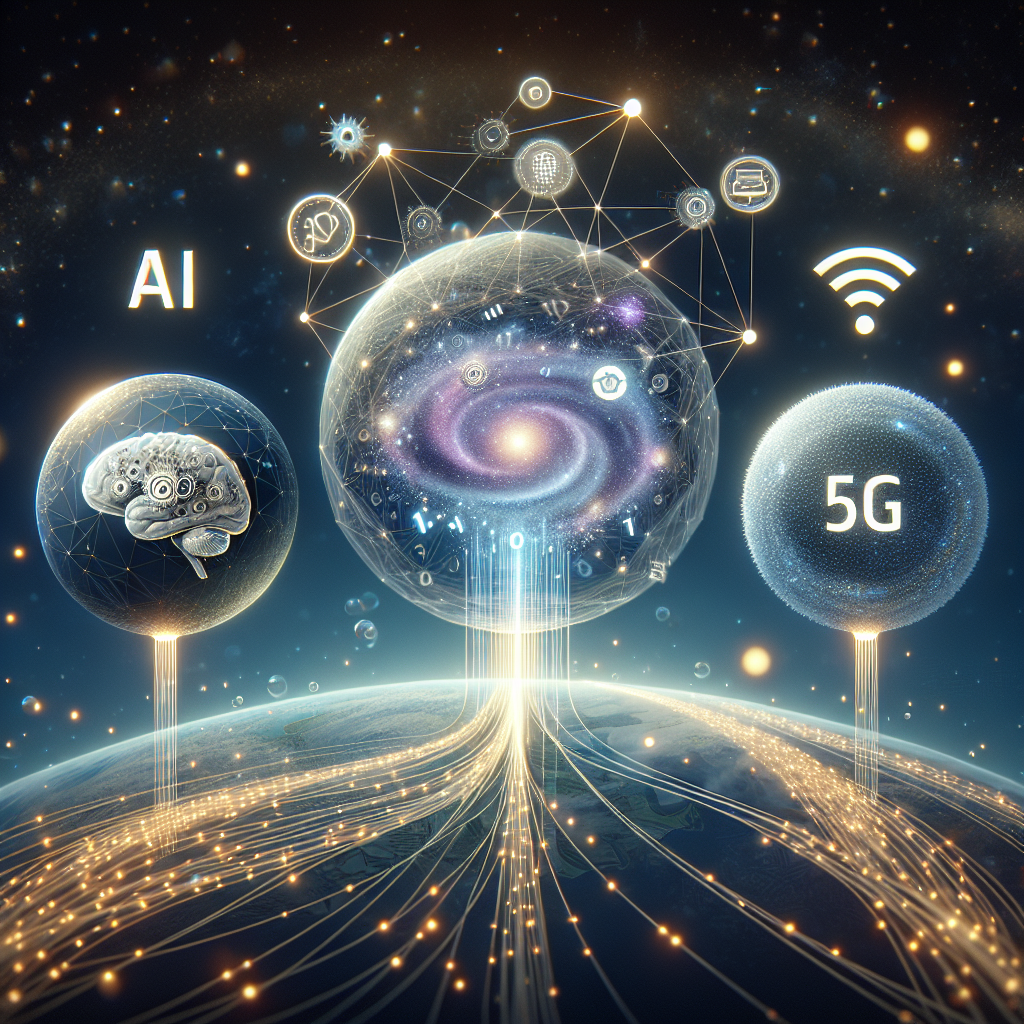
As we stand at the cusp of a technological revolution, three powerful forces are converging to redefine our world: Artificial Intelligence (AI), Quantum Computing, and 5G technology. Each of these innovations carries the potential to transform industries, enhance productivity, and improve everyday life. In this blog post, we'll explore how these technologies work together to create a new landscape of possibilities, and what that means for individuals and businesses alike.
Understanding the Pillars: AI, Quantum Computing, and 5G
Artificial Intelligence: The Brain Behind the Revolution
Artificial Intelligence has evolved from a niche field of computer science into a cornerstone of modern technology. From self-driving cars to personalized shopping experiences, AI is changing how we interact with the world. According to a report from McKinsey, AI could contribute up to $15.7 trillion to the global economy by 2030. This surge is largely due to AI's ability to analyze vast amounts of data quickly, enabling better decision-making and enhanced efficiency.
Quantum Computing: The Game Changer
While AI mimics human intelligence, Quantum Computing operates on an entirely different principle, leveraging the unique properties of quantum bits or qubits. Unlike traditional bits that are either 0 or 1, qubits can exist in multiple states simultaneously, allowing quantum computers to solve complex problems at unprecedented speeds. IBM has already made strides in this area, projecting that quantum computers will outperform classical computers in specific tasks by 2025. This capability can revolutionize fields like drug discovery, materials science, and cryptography.
5G Technology: The Connectivity Catalyst
5G technology is not just the next step in mobile connectivity; it is a fundamental enabler of the digital age. With speeds up to 100 times faster than 4G, 5G can support a massive number of connected devices simultaneously. The global market for 5G is expected to exceed $667 billion by 2026, according to a report by Fortune Business Insights. This ultra-fast connectivity will facilitate real-time communication between AI systems and Quantum Computers, creating a seamless flow of information that can enhance decision-making processes across various sectors.
Synergy of Technologies: A New Era of Innovation
The intersection of AI, Quantum Computing, and 5G is where the real magic happens. Imagine a world where AI algorithms can leverage quantum computing to solve problems that were previously intractable, all while being supported by the lightning-fast data transfer capabilities of 5G. This synergy will lead to innovations that we can hardly envision today.
For example, in healthcare, AI can analyze patient data to predict diseases, while Quantum Computing can model complex biological processes. With 5G, doctors can access this information in real-time, making more informed decisions during critical situations. This holistic approach has the potential to save countless lives and reduce healthcare costs significantly.
Real-World Applications: Transforming Industries
Smart Cities: A Glimpse into the Future
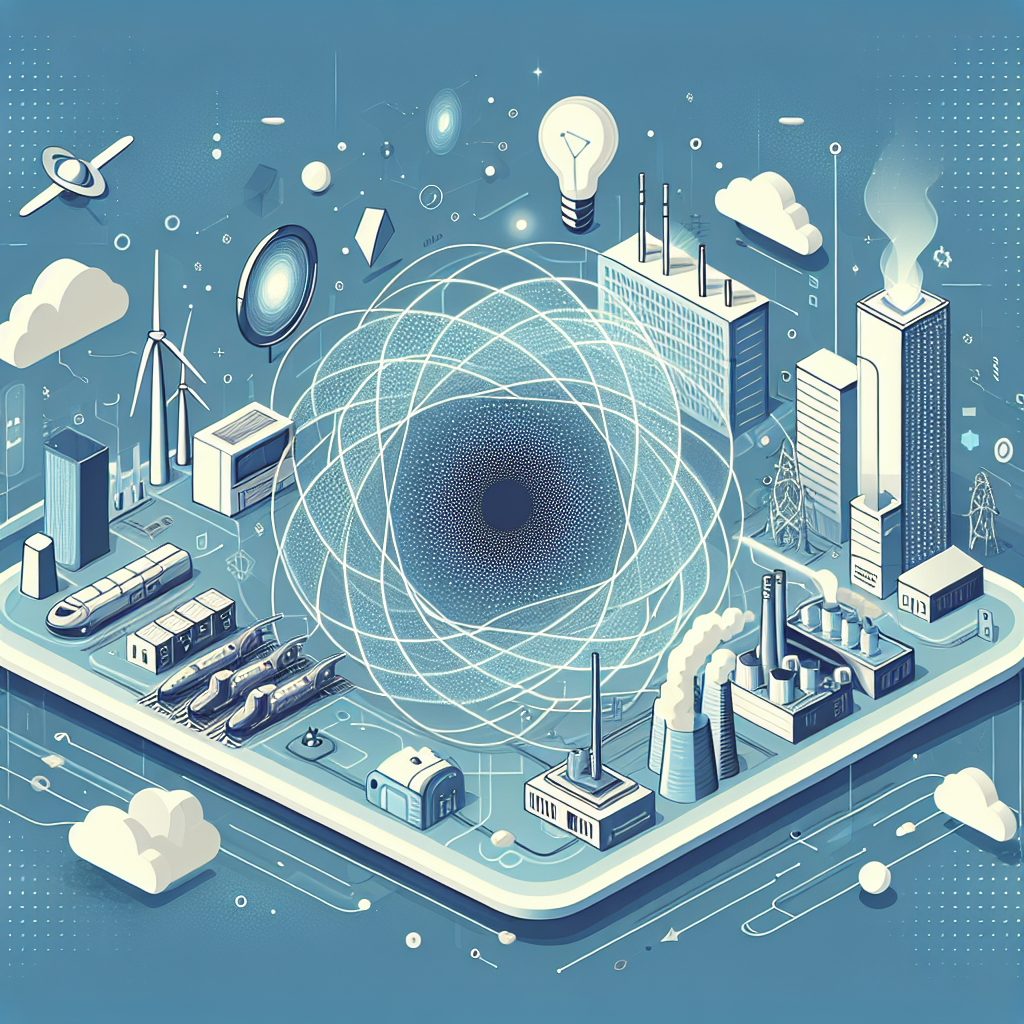
One of the most exciting applications of these technologies is the development of smart cities. AI can optimize traffic flows, manage energy consumption, and improve public safety. Quantum Computing can enhance data analysis for urban planning, while 5G will ensure that all connected devices within the city communicate efficiently. Cities like Singapore and Barcelona are already implementing these technologies to improve the quality of life for their citizens, and the results are promising.
Financial Services: Beyond Traditional Banking
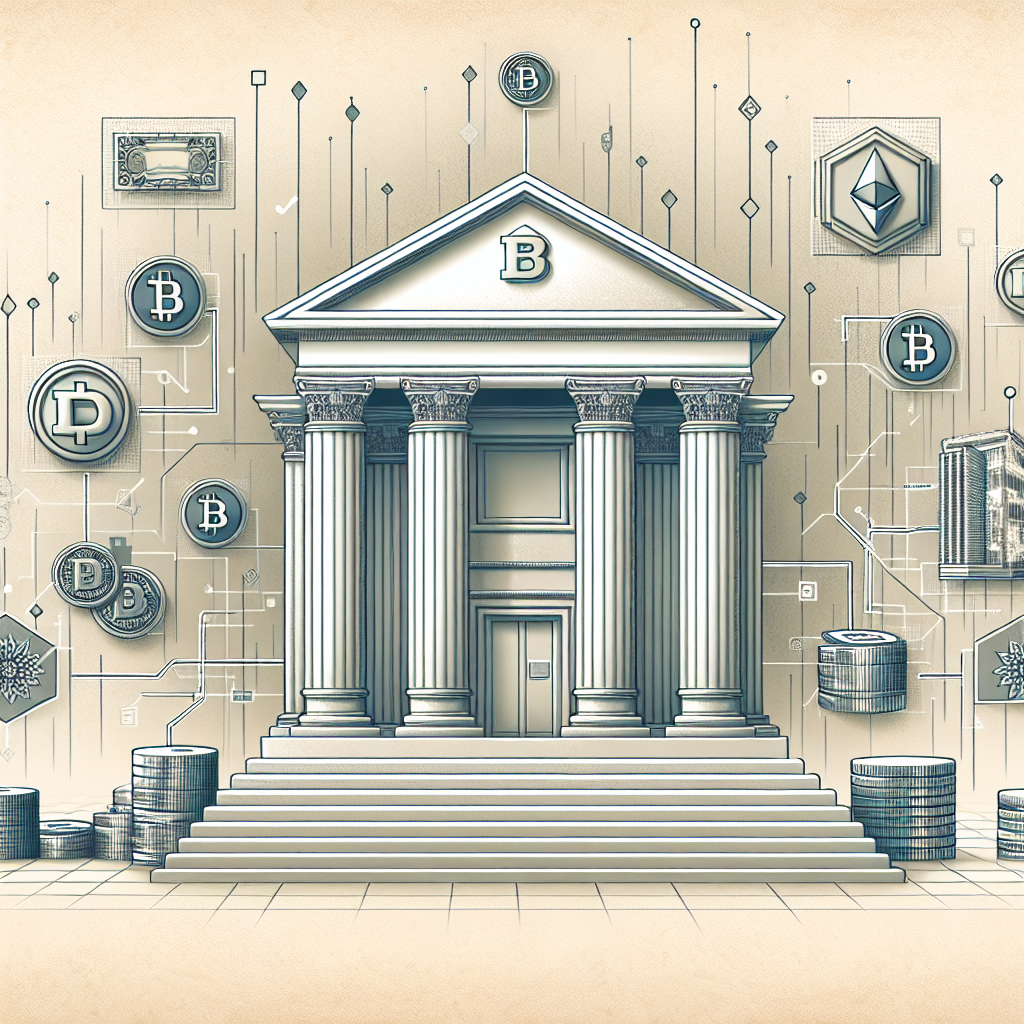
The financial sector stands to gain immensely from the integration of AI, Quantum Computing, and 5G. AI can automate trading and risk assessment, while Quantum Computing can analyze financial models and optimize investment strategies. With 5G, financial institutions can process transactions at lightning speed, enhancing security and reducing fraud. Companies like JPMorgan Chase are already exploring these advancements to stay ahead of the curve.
Challenges and Considerations
While the potential benefits of AI, Quantum Computing, and 5G are immense, there are significant challenges to consider. Issues such as data privacy, ethical considerations, and the digital divide need to be addressed to ensure that these technologies are used responsibly. Furthermore, as we become increasingly reliant on these technologies, the potential for cyber threats also grows. It is crucial for governments and organizations to establish robust frameworks to mitigate these risks.
Conclusion: Embracing the Future with Open Arms
The convergence of AI, Quantum Computing, and 5G represents a new frontier in technology that promises to reshape our world in profound ways. As individuals and businesses, it is essential to stay informed and prepared for these changes. Embrace continuous learning, invest in technological advancements, and foster a culture of innovation within your organization. The future is not just about survival; it's about thriving in a world where technology enhances our capabilities and improves our quality of life.
As we venture into this exciting future, let's remember to harness these technologies responsibly and ethically, ensuring that their benefits are accessible to all. The next frontier is here, and the opportunities are limitless.