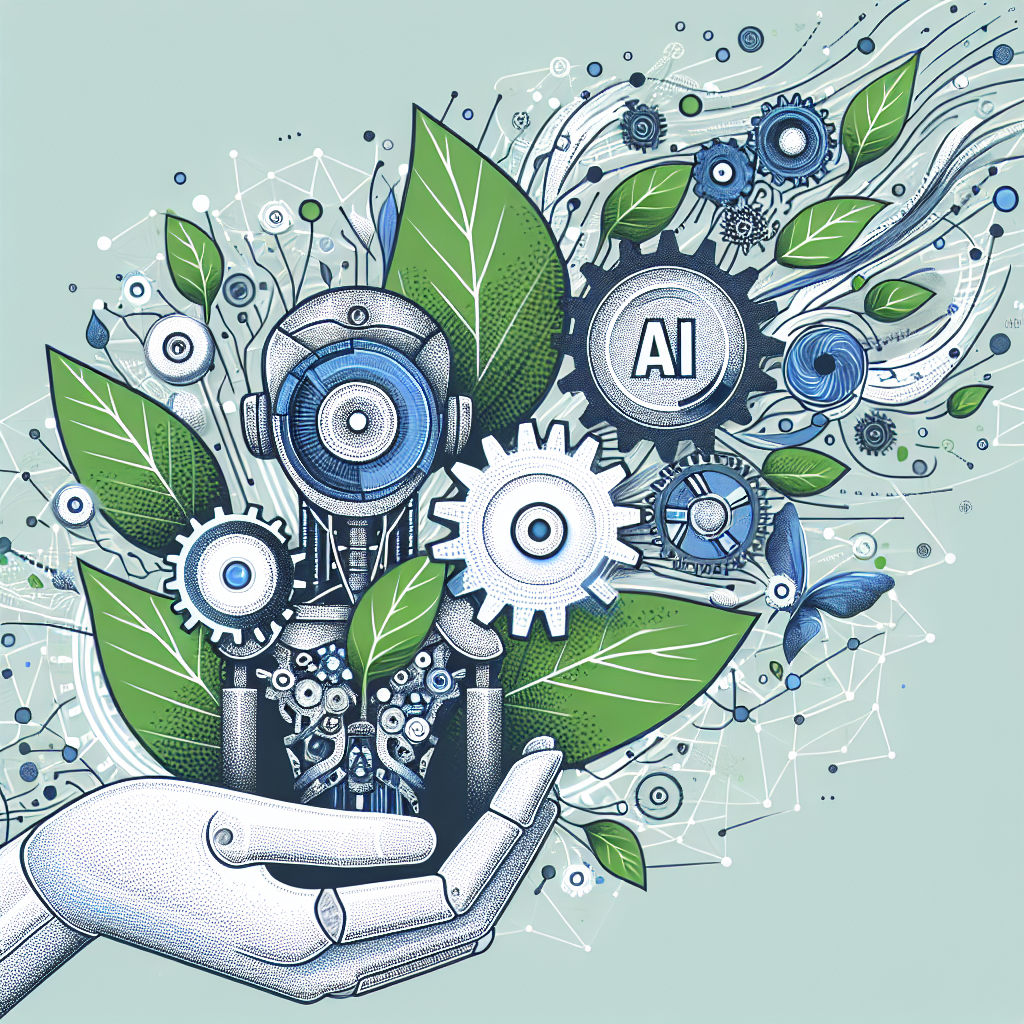
The Next Frontier: Leveraging AI and Sustainability for Future-Proof Business Strategies
In the rapidly evolving landscape of business, two transformative forces are emerging as pivotal drivers of success: Artificial Intelligence (AI) and sustainability. As organizations grapple with the challenges of a digital era and climate change, the intersection of these two elements presents a unique opportunity to innovate and thrive. This blog post will explore how businesses can leverage AI and sustainability to create future-proof strategies that not only enhance profitability but also contribute to a healthier planet.
The AI Revolution: A Catalyst for Change
Artificial Intelligence is not just a buzzword; it is a game-changer. According to a report from McKinsey, AI could potentially add $13 trillion to the global economy by 2030. This unprecedented growth is largely driven by AI's ability to optimize operations, enhance customer experiences, and provide deep insights through data analysis.
Enhancing Operational Efficiency
One of the most significant ways AI is transforming businesses is through operational efficiency. For instance, AI-powered algorithms can analyze supply chain data in real-time, predicting demand fluctuations and optimizing inventory management. Companies like Amazon utilize AI to forecast product demand, significantly reducing waste and improving service delivery. By integrating AI into their processes, businesses can minimize costs while maximizing output, ensuring they remain competitive in a fast-paced market.
Personalizing Customer Experiences
In today’s market, personalization is key to customer satisfaction. AI enables businesses to tailor their offerings to individual preferences. For example, Netflix employs AI algorithms to analyze user behavior, providing personalized content recommendations that enhance user engagement. By leveraging AI for customer insights, businesses can create more relevant marketing strategies, ultimately driving sales and fostering customer loyalty.
The Drive for Sustainability: Meeting Consumer Expectations
Simultaneously, consumer expectations are shifting significantly towards sustainability. A 2022 survey by Deloitte revealed that 32% of consumers are willing to pay more for sustainable products. As environmental consciousness grows, businesses that prioritize sustainability are not just doing the right thing; they are also tapping into a lucrative market.
Implementing Sustainable Practices
Integrating sustainability into business strategies can manifest in various forms, from eco-friendly packaging to energy-efficient operations. Companies like Unilever have committed to sustainable sourcing and have reported substantial cost savings as a result. By adopting sustainable practices, businesses not only reduce their environmental footprint but also position themselves as leaders in corporate responsibility, enhancing their brand image and customer trust.
Leveraging AI for Sustainable Solutions
AI can significantly contribute to sustainability efforts. For example, AI-driven analytics can help companies monitor their carbon footprint, identify inefficiencies, and suggest improvements. Google’s DeepMind has successfully reduced energy consumption in data centers by 40% through machine learning algorithms. By harnessing AI, businesses can make informed decisions that align with their sustainability goals while achieving operational efficiencies.
The Synergy of AI and Sustainability
The true power lies in the synergy between AI and sustainability. By combining these two forces, organizations can develop innovative solutions that address both operational efficiency and environmental responsibility. For instance, AI can optimize energy use in manufacturing processes, reducing waste while maintaining productivity. This dual approach not only drives profitability but also fosters a culture of sustainability within the organization.
Case Studies: Leading the Charge
Several companies are leading the way in this frontier. Tesla, for example, leverages AI in its electric vehicles and autonomous driving technology while championing sustainable energy solutions. Their commitment to sustainability has not only redefined the automotive industry but has also inspired a cultural shift towards renewable energy sources.
Similarly, Patagonia has integrated AI into its supply chain management, ensuring sustainable sourcing while maintaining high-quality standards. Their transparent approach to business has built a loyal customer base that values ethical practices, demonstrating that sustainability can drive sales and foster brand loyalty.
Conclusion: Navigating the Future with Purpose
The convergence of AI and sustainability represents a significant opportunity for businesses to innovate and thrive in an increasingly competitive landscape. By adopting AI technologies to enhance operational efficiency and implementing sustainable practices, organizations can create future-proof strategies that not only meet consumer demands but also contribute to a better world.
As we look to the future, here are some actionable takeaways:
- Embrace AI Technologies: Invest in AI solutions that can optimize operations and enhance customer experiences.
- Prioritize Sustainability: Implement sustainable practices that resonate with your target audience and reflect your brand values.
- Foster Innovation: Encourage a culture of innovation that seeks to combine AI and sustainability for new solutions.
- Monitor and Adapt: Continuously assess your strategies to ensure they align with emerging trends and consumer expectations.
By doing so, businesses can not only survive but thrive in the next frontier of commerce, where AI and sustainability are not just trends, but essential pillars of success.