The Next Wave: How AI and Sustainability are Redefining Business Strategy for Tomorrow
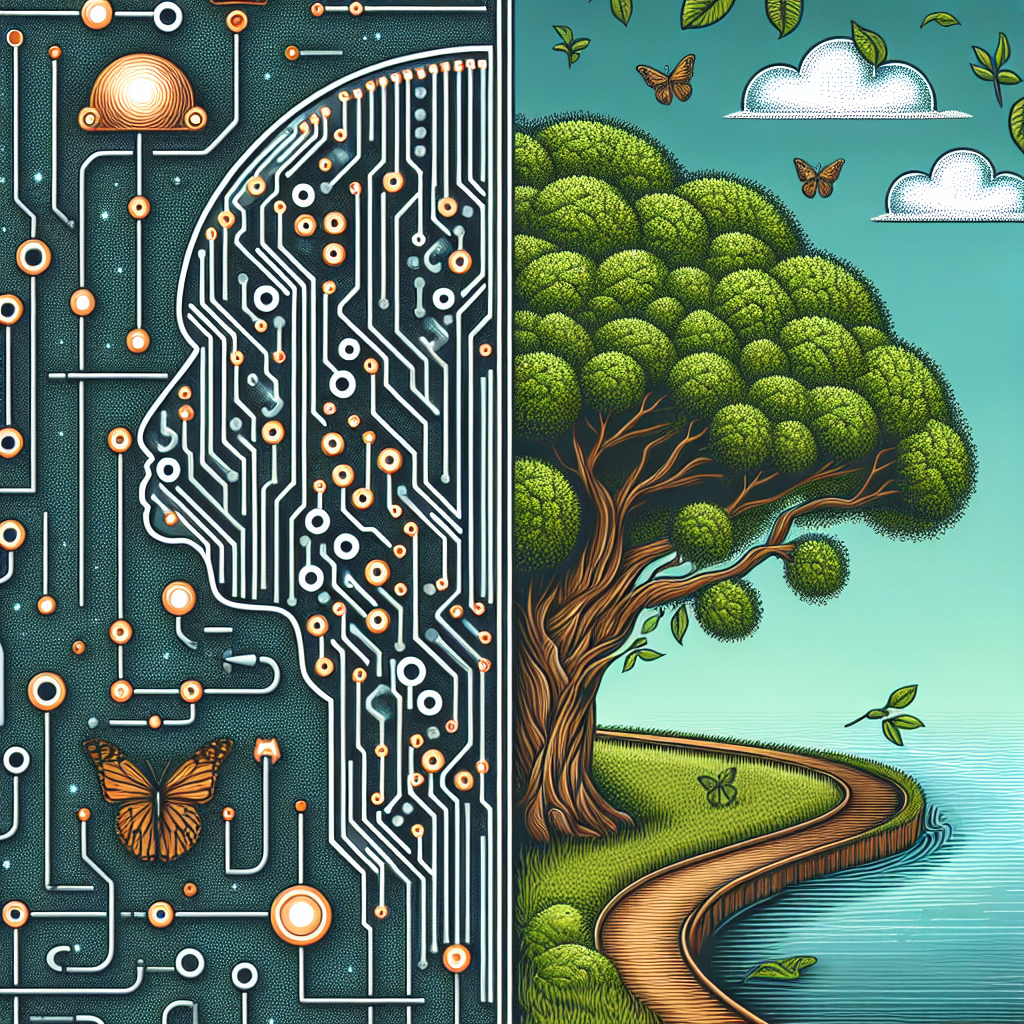
In today’s rapidly evolving business landscape, organizations are facing unprecedented challenges and opportunities. The convergence of artificial intelligence (AI) and sustainability is not just a trend; it’s a transformative force that is reshaping how businesses strategize for the future. As we move towards a more environmentally conscious society, integrating AI with sustainability initiatives can unlock new avenues for growth and efficiency. This blog delves into how companies can leverage these two powerful elements to redefine their strategies and ensure long-term success.
The Imperative for Sustainability in Business
As global awareness of climate change and environmental degradation grows, sustainability has shifted from a peripheral concern to a core business priority. According to a report by McKinsey, 70% of executives believe that sustainability is important for their company’s future success. This evolving landscape is driven by consumer preferences, regulatory pressures, and the undeniable reality that sustainable practices can lead to cost savings and efficiency gains.
Consumer Demand for Sustainable Practices
Modern consumers are increasingly making purchasing decisions based on a brand’s sustainability practices. A survey by Nielsen indicated that 73% of millennials are willing to pay more for sustainable products. This shift in consumer behavior compels businesses to integrate sustainability into their core strategies. Companies like Unilever and Patagonia have successfully built their brands around sustainability, proving that environmental responsibility can drive loyalty and profitability.
The Role of AI in Driving Sustainable Practices
Artificial intelligence offers powerful tools that can enhance sustainability efforts across various sectors. From optimizing supply chains to reducing waste, AI technologies can provide insights and efficiencies that were previously unattainable.
Optimizing Supply Chains
AI can analyze vast amounts of data to improve supply chain efficiency. For example, companies like Walmart are implementing AI-driven analytics to forecast demand more accurately, reducing overproduction and waste. By optimizing inventory management, businesses can not only save costs but also minimize their environmental footprint.
Enhancing Energy Efficiency
AI technologies are also being employed to reduce energy consumption in manufacturing and building management. Smart grids powered by AI can optimize energy distribution, adapting to real-time demand and reducing reliance on non-renewable energy sources. For instance, Google has successfully used AI to reduce energy consumption in its data centers by 15%, showcasing the potential for significant savings and emissions reductions.
Integrating AI and Sustainability into Business Strategy
To effectively harness the potential of AI and sustainability, businesses must adopt a holistic approach that integrates these elements into their overall strategy. Here are some actionable steps organizations can take:
1. Set Clear Sustainability Goals
Begin by establishing clear, measurable sustainability goals aligned with your business objectives. Whether it’s reducing carbon emissions or achieving zero waste, having defined targets will guide your strategy and provide a benchmark for progress.
2. Invest in AI Technologies
Investing in AI solutions tailored to your sustainability goals is crucial. Explore tools that analyze data related to energy consumption, supply chain logistics, and waste management. Collaborations with tech firms specializing in AI can also yield innovative solutions tailored to your needs.
3. Foster a Culture of Sustainability
Engaging employees in sustainability initiatives is essential. Encourage a culture that values innovation and environmental responsibility. Training programs and workshops can help employees understand the importance of sustainability and how their roles contribute to broader goals.
Case Studies: Leaders in AI and Sustainability
Several companies exemplify the successful integration of AI and sustainability, serving as models for others to follow. For instance, Siemens has implemented AI-driven solutions in its manufacturing processes, significantly reducing waste and improving resource efficiency. Similarly, Tesla leverages AI in its electric vehicles to optimize energy use and promote sustainability on a global scale.
These examples highlight that embracing AI and sustainability is not only a moral imperative but also a strategic advantage. Companies that ignore these trends risk falling behind in a competitive marketplace increasingly defined by eco-conscious consumers and stringent regulations.
Conclusion: Preparing for a Sustainable Future
The intersection of AI and sustainability is redefining business strategy for tomorrow. As organizations navigate this evolving landscape, it’s crucial to embrace these trends proactively. By setting clear sustainability goals, investing in AI technologies, and fostering a culture of innovation, businesses can position themselves as leaders in a world where sustainability is no longer optional but essential.
In summary, the next wave of business strategy lies at the crossroads of AI and sustainability. Companies that recognize this and act accordingly will not only enhance their operational efficiencies but also contribute positively to the planet, ensuring that they are well-prepared for the challenges and opportunities of the future. Now is the time to act—embrace the change and lead your organization towards a sustainable tomorrow.