5G and Beyond: How Next-Gen Connectivity Will Shape Mobile App Innovation
The advent of 5G technology represents a paradigm shift in mobile connectivity, promising not just faster download speeds but an entire ecosystem of possibilities that could redefine mobile app innovation. As developers and businesses explore the capabilities of 5G, it’s evident that we are on the brink of an era where mobile applications will evolve in ways we can only begin to imagine. In this blog post, we'll delve into how 5G and the subsequent advancements in connectivity are set to revolutionize the mobile app landscape.
The Promise of 5G: Speed, Latency, and Capacity
At its core, 5G technology offers three key enhancements: increased speed, reduced latency, and higher capacity. According to the GSMA, 5G networks are expected to deliver data rates up to 10 Gbps, which is up to 100 times faster than 4G. This means that applications can handle more data at once, paving the way for richer, more immersive experiences.
Reduced latency is another critical feature, with 5G aiming for latencies as low as 1 millisecond. This is particularly significant for applications requiring real-time interactions, such as gaming and augmented reality (AR). For instance, imagine a mobile game where players can seamlessly interact with each other in a virtual environment without noticeable delays. Such advancements will not only improve user experience but will also create new opportunities for app developers.
Potential for More Connected Devices
The Internet of Things (IoT) is set to expand exponentially with 5G. According to Statista, the number of connected devices is expected to reach over 30 billion by 2025. With 5G's higher capacity, mobile apps can manage and communicate with a vast network of devices ranging from smart home gadgets to industrial equipment. This interconnectedness will lead to innovative applications that can automate processes, enhance efficiency, and provide real-time data analytics.
Transforming Industries with Enhanced Mobile Apps
The impact of 5G on mobile app development will be felt across various industries. For instance, in healthcare, remote surgeries and telemedicine are becoming more feasible with the low latency that 5G offers. Surgeons can control robotic instruments in real-time from thousands of miles away, potentially saving lives with immediate interventions.
In the automotive sector, 5G will enable the development of advanced driver-assistance systems (ADAS) and pave the way for autonomous vehicles. Mobile apps integrated with real-time traffic data, vehicle diagnostics, and predictive maintenance will become essential as we embrace connected cars. This shift not only enhances safety but also transforms the way we think about transportation.
Entertainment and Media Reimagined
5G's impact on the entertainment industry will be profound as well. With higher bandwidth and lower latency, streaming services can offer high-definition content without buffering. Virtual reality (VR) and AR applications will flourish, allowing users to engage in immersive experiences that were previously limited by 4G technology. Imagine watching a concert live in VR from your living room or trying on clothes virtually through an app. These experiences will redefine how we consume media and interact with brands.
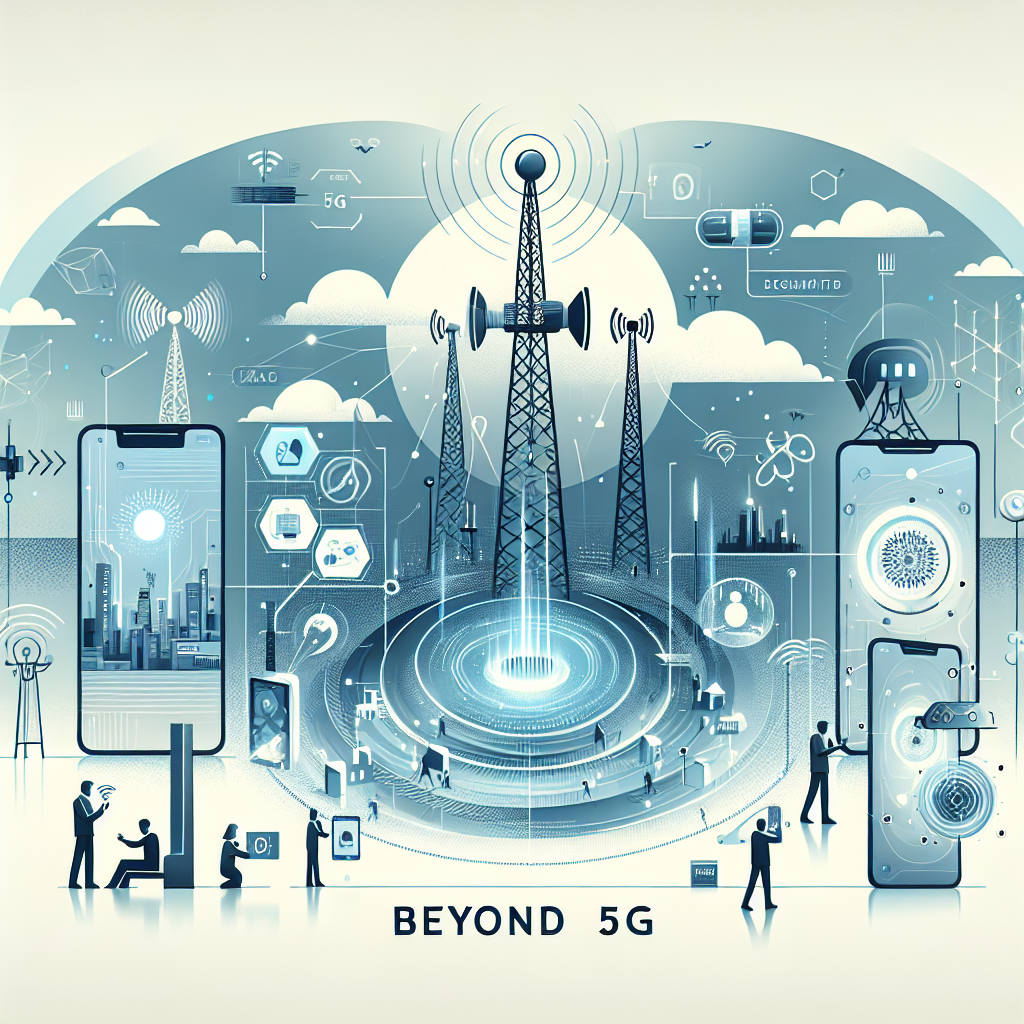
The Future: Beyond 5G
While 5G is already making waves, the conversation around connectivity is evolving towards 6G and beyond. Early research indicates that 6G could provide even greater data rates, possibly reaching up to 100 Gbps, and enhance the integration of artificial intelligence (AI) in mobile applications. With AI-powered apps able to learn and adapt to user preferences in real-time, personalized experiences will reach new heights.
As we move towards this future, app developers should start considering how they can leverage the trends and technologies associated with 5G and beyond. Focusing on user-centric design, scalability, and the integration of AI and machine learning will be crucial for staying ahead in a competitive market.
Conclusion: Embracing the Change
The rollout of 5G technology is not just a technical upgrade; it signifies a revolution in how we think about mobile applications and connectivity. As developers and businesses, it’s essential to embrace this change and explore the vast possibilities that 5G and future technologies present. Here are some actionable takeaways to consider:
- Invest in Learning: Stay updated on the latest developments in 5G and IoT to understand how they can benefit your app.
- Focus on User Experience: Design applications that leverage the speed and low latency of 5G to enhance user engagement.
- Explore New Business Models: Consider how IoT integration can create new revenue streams and improve operational efficiency.
- Prioritize Scalability: Build apps that can easily adapt to future connectivity advancements, such as 6G.
As we stand on the threshold of a new connectivity era, the future of mobile app innovation is bright. By harnessing the power of 5G and beyond, we can create applications that not only meet user needs but also redefine what’s possible.