Consumer Psychology 2026: Adapting Business Strategies to an Era of Intelligent Automation and Hyper-Personalization
As we step into 2026, the landscape of consumer behavior is shifting dramatically. The convergence of intelligent automation and hyper-personalization is redefining how businesses connect with their customers. In an age where consumers are bombarded with choices, understanding the psychology behind their decisions has never been more critical. This post explores how businesses can adapt their strategies to meet the evolving expectations of a more discerning and tech-savvy consumer base.
The Rise of Intelligent Automation
Intelligent automation refers to the combination of artificial intelligence (AI) and automation technologies that optimize processes and enhance decision-making. By 2026, this technology has infiltrated every aspect of business, from customer service to supply chain management. According to a recent report by McKinsey, companies that adopt intelligent automation can increase productivity by up to 40%. However, this potential comes with challenges; businesses must navigate the balance between automation and maintaining a personal touch.
Understanding Consumer Expectations
Today’s consumers expect seamless experiences. A study from Salesforce found that 76% of consumers expect companies to understand their needs and expectations. This expectation is amplified by intelligent automation, which can analyze vast amounts of data to predict consumer behavior and preferences. For businesses, this means that understanding consumer psychology is paramount. Companies must leverage data analytics to anticipate needs and tailor their offerings accordingly.
Hyper-Personalization: The New Norm
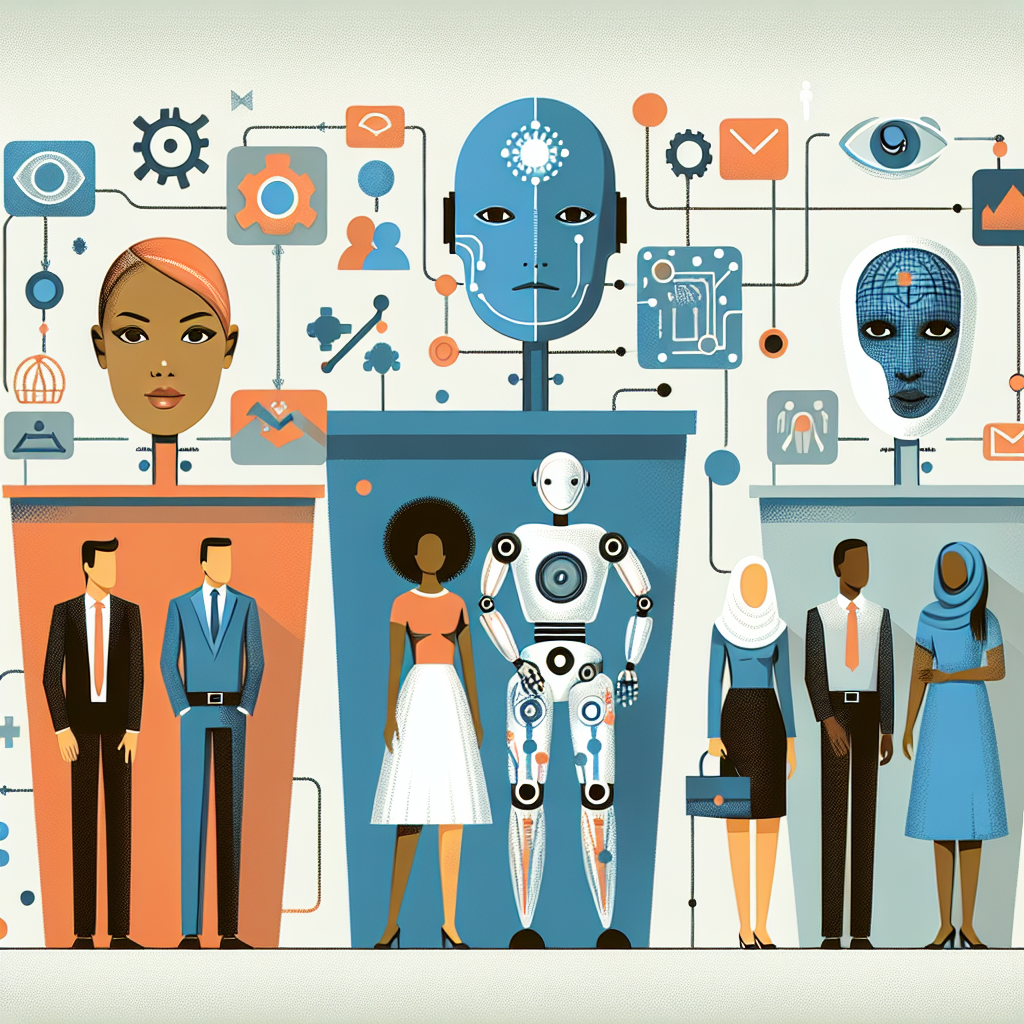
Hyper-personalization goes beyond traditional personalization by using AI to deliver highly tailored experiences. In 2026, consumers are not just looking for products; they want experiences that resonate with their individual identities. A survey by Epsilon revealed that 80% of consumers are more likely to make a purchase when brands offer personalized experiences. This trend is reshaping marketing strategies, as businesses must create campaigns that speak directly to the consumer's preferences, values, and aspirations.
Implementing Hyper-Personalization Strategies
To successfully implement hyper-personalization, businesses should consider the following strategies:
- Data-Driven Insights: Utilize AI-driven analytics to gather insights about consumer behavior, preferences, and buying patterns. This data can inform product recommendations and targeted marketing campaigns.
- Customer Segmentation: Move beyond demographic segmentation. Use behavioral and psychographic data to create micro-segments that allow for more precise targeting.
- Dynamic Content: Leverage AI to deliver dynamic content that adapts based on user interactions. For instance, e-commerce platforms can showcase products that align with a user's browsing history and preferences.
- Feedback Loops: Establish mechanisms for continuous feedback from customers. This can include surveys, reviews, and social media interactions, which provide valuable insights into consumer satisfaction and areas for improvement.
The Role of Trust in Consumer Relationships
In an era of intelligent automation and hyper-personalization, trust remains a cornerstone of consumer relationships. As businesses collect and analyze data, consumers are increasingly concerned about privacy and data security. According to a study by PwC, 79% of consumers expressed concerns about how companies use their data. Therefore, transparency and ethical data practices are essential for fostering trust and loyalty.
Building Trust Through Transparency
To build trust, businesses should:
- Be Transparent: Clearly communicate how consumer data is collected, used, and protected. Transparency fosters trust and encourages consumers to share their information willingly.
- Ensure Data Security: Invest in robust cybersecurity measures to protect consumer data. Regularly update customers on the steps taken to secure their information.
- Engage Authentically: Use social media and other platforms to engage with consumers on a personal level. Address concerns, respond to feedback, and show that the brand is listening.
Conclusion: Adapting to the Future of Consumer Psychology
As we navigate through 2026, the interplay of intelligent automation and hyper-personalization presents both opportunities and challenges for businesses. Understanding consumer psychology is key to adapting strategies that resonate with today’s empowered consumers. Companies must embrace data-driven insights, implement hyper-personalization, and prioritize trust to thrive in this dynamic landscape.
In summary, here are actionable takeaways for businesses:
- Invest in AI-driven analytics to understand consumer behavior better.
- Implement hyper-personalization strategies that reflect individual consumer preferences.
- Prioritize transparency and ethical data practices to build consumer trust.
- Foster continuous feedback loops to enhance customer engagement and satisfaction.
By adopting these strategies, businesses can position themselves as leaders in an era defined by intelligent automation and hyper-personalization, ultimately creating deeper connections with their customers and driving sustainable growth.