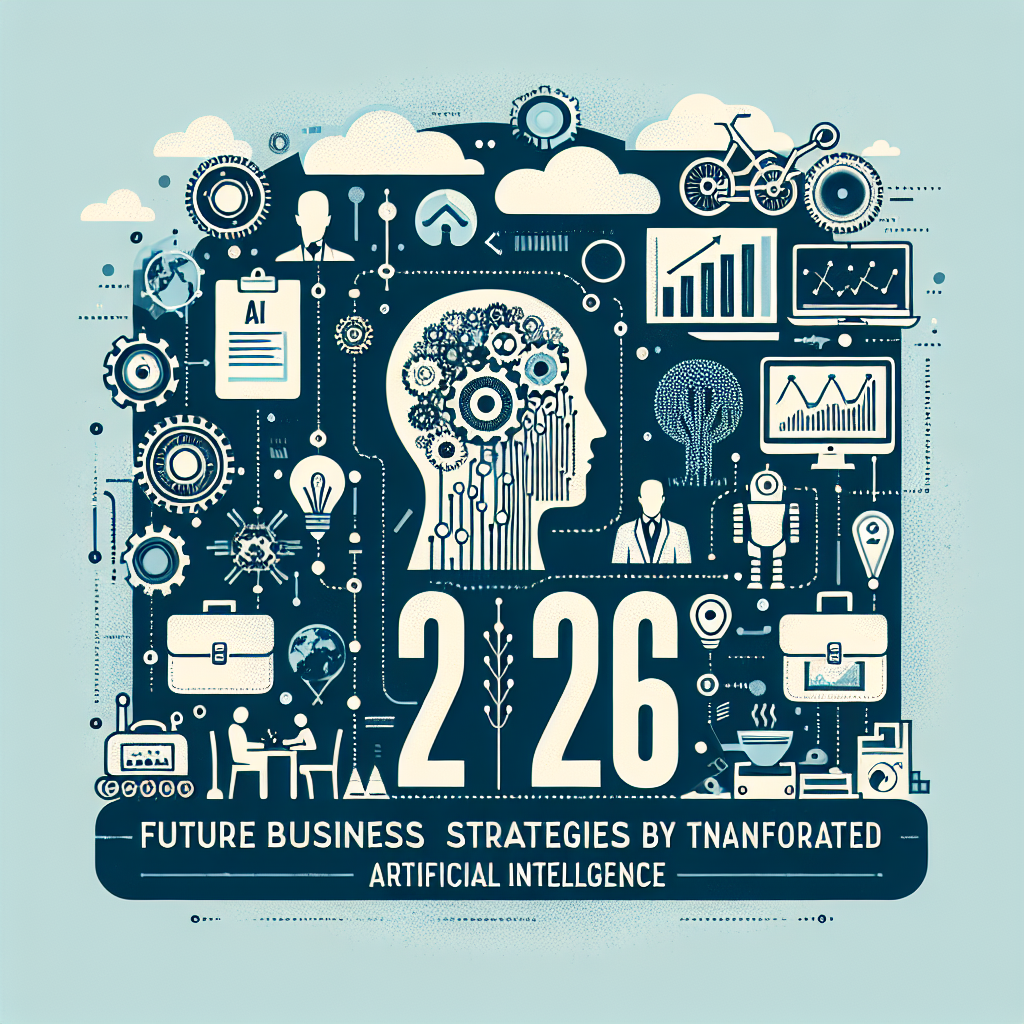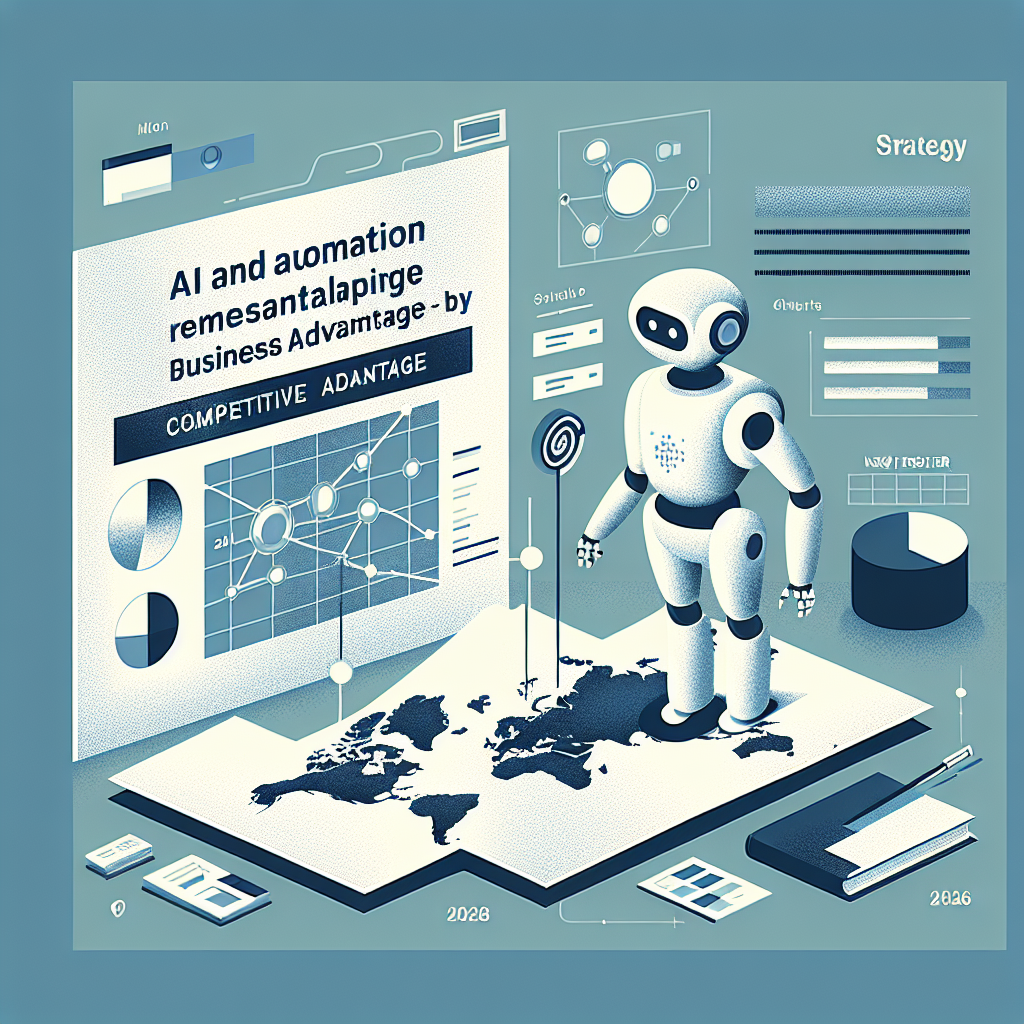
Navigating the New Frontier: How AI and Automation Will Reshape Competitive Advantage in Business Strategy by 2026
As we stand on the brink of a technological revolution, businesses across the globe are beginning to understand the profound implications of artificial intelligence (AI) and automation. These technologies are not merely tools for efficiency; they are catalysts for a fundamental shift in how companies generate competitive advantage. By 2026, organizations that effectively integrate AI and automation into their business strategies will find themselves leading the pack, while those that hesitate may struggle to keep up. In this blog post, we’ll explore the transformative potential of these technologies and how businesses can navigate this new frontier.
The Current Landscape of AI and Automation
AI and automation have been steadily gaining traction over the past decade. According to a report by McKinsey, 70% of companies are expected to adopt at least one type of AI technology by 2030. This rapid adoption is driven by the need for businesses to increase efficiency, reduce costs, and enhance customer experiences. From chatbots providing 24/7 customer support to machine learning algorithms optimizing supply chain logistics, the applications are vast and varied.
Statistics That Matter
The economic impact of AI is staggering. A report from PwC estimates that AI could contribute up to $15.7 trillion to the global economy by 2030. As companies harness the power of AI, those with advanced automation capabilities are projected to increase their profitability by as much as 38% by 2026. This trend underscores the urgency for businesses to integrate these technologies into their strategies now rather than later.
Redefining Competitive Advantage
Traditionally, competitive advantage has been defined by factors such as brand strength, cost leadership, and operational efficiency. However, as AI and automation become more prevalent, these definitions are evolving. Companies that can effectively leverage data and automate processes will create new value propositions that set them apart from competitors.
Data-Driven Decision Making
One of the most significant ways AI will reshape competitive advantage is through data-driven decision-making. Businesses that harness AI analytics can gain insights into consumer behavior, market trends, and operational efficiencies. For instance, Netflix employs machine learning algorithms to analyze viewing habits, enabling the platform to tailor content recommendations to individual users. This personalized approach not only enhances user satisfaction but also drives engagement and retention.
Operational Efficiency and Cost Reduction
Automation technologies, such as robotic process automation (RPA), are streamlining operations across industries. For example, in the financial services sector, firms like JPMorgan Chase are using RPA to automate repetitive tasks such as compliance checks and data entry. This not only reduces operational costs but also minimizes human error, allowing employees to focus on more strategic initiatives.
Challenges and Considerations
While the benefits of AI and automation are clear, businesses must also navigate several challenges. Issues such as data privacy, workforce displacement, and ethical considerations require careful attention. A World Economic Forum report highlights that while AI will displace 85 million jobs by 2025, it will also create 97 million new roles, emphasizing the need for reskilling and upskilling initiatives.
Addressing Workforce Concerns
To address potential workforce displacement, companies should prioritize employee training and development. For example, Amazon has committed $700 million to retrain employees for higher-skilled jobs as automation becomes more prevalent. By investing in their workforce, organizations can ease the transition and empower employees to thrive in an AI-driven landscape.
Practical Tips for Integrating AI and Automation
As businesses prepare to embrace AI and automation, here are some actionable tips to consider:
- Start Small: Begin with pilot projects to test AI and automation technologies before scaling them across the organization.
- Prioritize Data Quality: Ensure that the data used for AI algorithms is accurate and relevant, as poor data quality can lead to ineffective outcomes.
- Encourage a Culture of Innovation: Foster an environment where employees feel empowered to experiment with new technologies and share insights.
- Invest in Training: Provide ongoing training and development programs to help employees adapt to new roles and technologies.
Conclusion: Embracing the Future
As we look ahead to 2026, the role of AI and automation in shaping competitive advantage cannot be overstated. Businesses that embrace these technologies will not only enhance their operational efficiencies but also redefine their value propositions in the marketplace. By fostering a culture of innovation and investing in employee development, organizations can navigate this new frontier with confidence.
In summary, the future of business strategy lies in the effective integration of AI and automation. As we adapt to these changes, the organizations that prioritize strategic planning, ethical considerations, and workforce development will emerge as leaders in their industries. The time to start is now—embrace the technology, and prepare to thrive in the new competitive landscape.