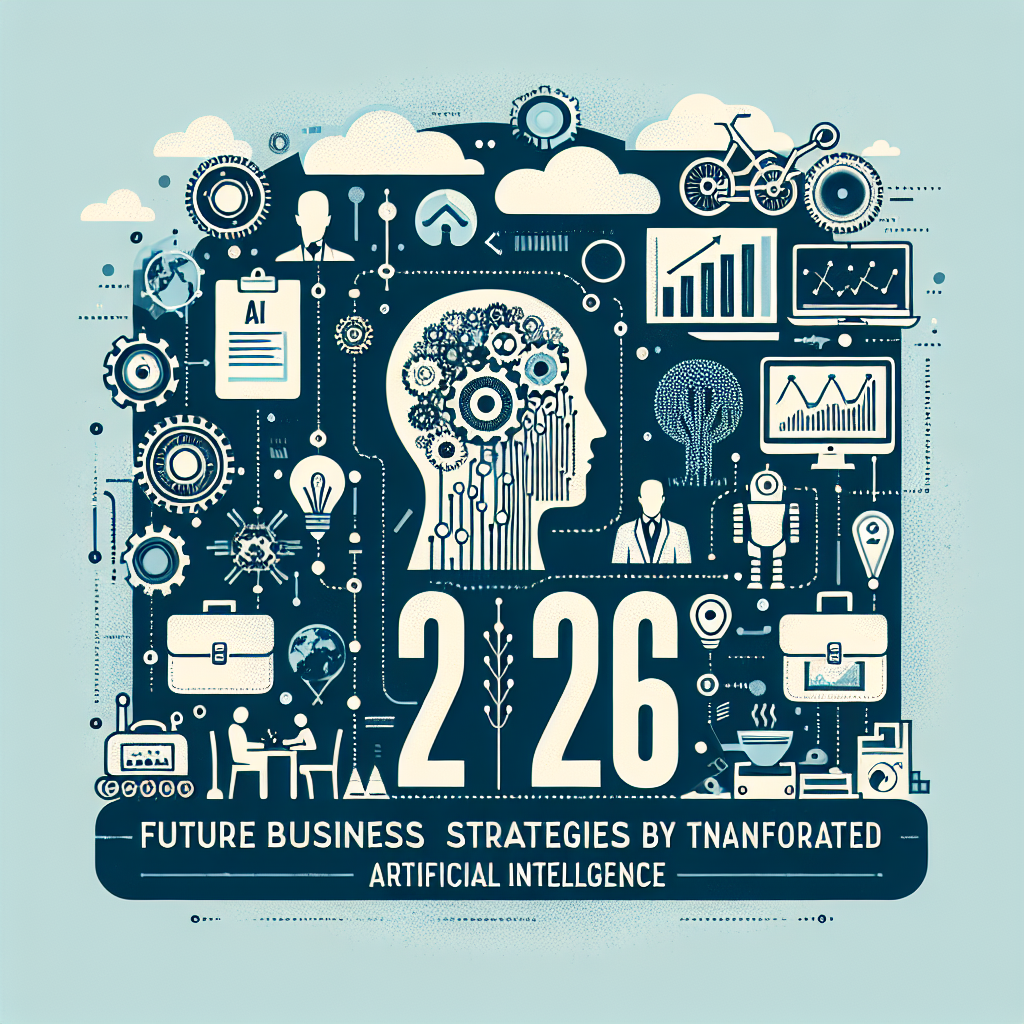
Navigating the Future: How AI-Driven Insights and Automation Will Transform Business Strategy by 2026
As we stand on the brink of a technological revolution, the impact of artificial intelligence (AI) on business strategies is becoming increasingly evident. By 2026, AI-driven insights and automation will not just enhance existing processes but redefine how organizations operate, engage with customers, and make strategic decisions. This transformation promises to be profound, offering opportunities for innovation, efficiency, and competitive advantage. In this article, we’ll explore how businesses can navigate this future by leveraging AI technologies effectively.
Understanding AI-Driven Insights
AI-driven insights refer to the ability of machines to analyze vast amounts of data, identifying patterns and extracting actionable knowledge that would be impossible for humans to uncover efficiently. According to a report from McKinsey, businesses that effectively utilize AI can increase their cash flow by 20% or more. But what does this mean for business strategy?
Data-Driven Decision Making
In the past, decision-making often relied heavily on intuition and experience. However, with AI, businesses can harness data analytics to make more informed choices. For example, retailers like Walmart utilize AI algorithms to predict customer buying behaviors, allowing them to optimize inventory levels and enhance customer satisfaction. By 2026, we can expect an even greater reliance on real-time data analysis, enabling companies to pivot their strategies swiftly in response to market changes.
Enhanced Customer Personalization
Personalization is no longer a luxury; it’s a necessity in today’s competitive landscape. AI enables businesses to tailor their offerings to individual customer preferences, creating a more engaging experience. For instance, Netflix uses sophisticated algorithms to recommend shows based on users' viewing history, leading to increased user retention and satisfaction. As AI technologies advance, by 2026, businesses will be able to deliver hyper-personalized experiences, driving loyalty and increasing lifetime customer value.
The Role of Automation in Business Strategy
Automation, powered by AI, is set to disrupt traditional business operations significantly. From automating routine tasks to streamlining complex processes, the advantages are clear.
Improving Operational Efficiency
Automation can reduce operational costs and enhance productivity. For example, companies like Amazon have integrated AI-powered robots in their warehouses to perform repetitive tasks, which has decreased delivery times and increased overall efficiency. By 2026, we can anticipate that more businesses will adopt automation across various functions, from customer service chatbots to automated financial reporting, freeing up human resources for strategic initiatives.
Risk Management and Compliance
AI can also play a crucial role in risk management. Financial institutions are increasingly using AI to monitor transactions and detect fraudulent activities in real-time. According to a study by Accenture, 50% of banking executives believe that AI will be fundamental in managing compliance risks by 2026. This shift will not only help businesses avoid potential financial losses but also enhance their reputation by ensuring regulatory compliance.
Strategic Implications for Businesses
As AI and automation reshape the business landscape, organizations must adapt their strategies accordingly. Here are some strategic implications to consider:
Investing in AI Talent
To harness the power of AI, businesses need skilled professionals who understand how to implement and manage these technologies. Investing in training and development programs for existing employees, as well as attracting new talent, will be crucial. Companies like Google and Microsoft have already established robust training programs to cultivate AI expertise within their workforce.
Emphasizing Ethical AI Use
With great power comes great responsibility. As businesses increasingly rely on AI, ethical considerations must be at the forefront of their strategies. Ensuring transparency in AI algorithms and addressing biases in data will be essential to maintain customer trust. By 2026, organizations that prioritize ethical AI practices will differentiate themselves in the market.
Conclusion: Embracing the AI Revolution
The future of business strategy is undoubtedly intertwined with AI-driven insights and automation. Organizations that proactively adapt to these changes will not only survive but thrive in an increasingly competitive landscape. As we look towards 2026, businesses should focus on:
- Investing in data analytics to enhance decision-making.
- Implementing AI-powered personalization strategies to boost customer loyalty.
- Leveraging automation to streamline operations and reduce costs.
- Building a workforce skilled in AI technologies.
- Adopting ethical AI practices to maintain consumer trust.
By embracing these strategies, businesses can navigate the complexities of the future and emerge as leaders in their respective industries.