Reimagining Remote Work: How AI and Automation Will Shape the Workforce of 2026
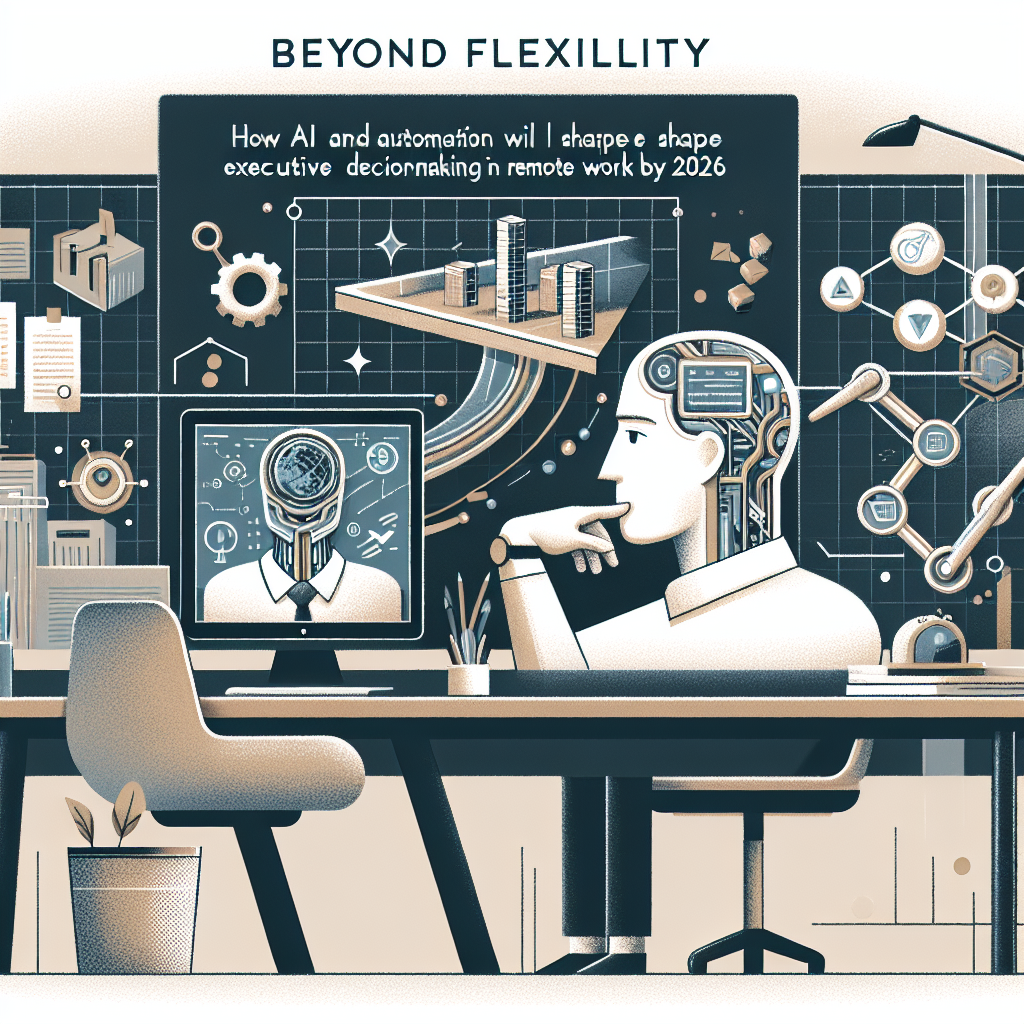
The landscape of work has been evolving rapidly, and the events of the past few years have only accelerated these changes. As we look toward 2026, the integration of artificial intelligence (AI) and automation promises to redefine the remote work experience significantly. This blog post explores how these technologies will reshape the workforce, offering insights into new opportunities, challenges, and practical steps for adaptation.
The Rise of AI and Automation in Remote Work
Remote work was already on the rise before the pandemic, but it has now become a standard mode of operation for millions of employees worldwide. According to a McKinsey report, around 20% of the workforce could continue to work remotely three to five days a week. As organizations strive for efficiency and productivity, the implementation of AI and automation tools is becoming increasingly prevalent.
Enhancing Productivity Through AI
AI is transforming how we work by automating repetitive tasks, allowing employees to focus on more strategic, value-added activities. For instance, AI-powered chatbots can handle customer inquiries, enabling human agents to devote time to complex problem-solving. A study by Gartner suggests that by 2026, AI will contribute to a 30% increase in workforce productivity. This shift not only enhances efficiency but also improves employee satisfaction as team members engage in more meaningful work.
The Human-AI Collaboration
While AI can automate tasks, the future of work will hinge on the collaboration between humans and machines. This hybrid approach will empower employees to harness AI's capabilities while applying their unique skills and insights.
Upskilling and Reskilling for a New Era
As AI takes over routine tasks, the demand for skills in data analysis, critical thinking, and emotional intelligence will rise. Organizations will need to invest in upskilling and reskilling their workforce. According to the World Economic Forum, over 85 million jobs may be displaced by 2025, but 97 million new roles could emerge that are more adapted to the new division of labor between humans and machines. Companies that prioritize continuous learning will not only retain talent but also foster innovation.
Flexible Work Environments Powered by Automation
Automation tools are enabling more flexible work arrangements, allowing employees to choose when and where they work. With the advent of project management software and communication platforms, teams can collaborate seamlessly across different time zones. For example, tools like Asana and Slack have become essential in maintaining productivity and communication in remote teams.
Creating a Culture of Trust and Accountability
As remote work becomes more prevalent, organizations must cultivate a culture of trust and accountability. Establishing clear expectations and performance metrics will be crucial in this new landscape. Regular check-ins, feedback loops, and recognition of achievements will help maintain engagement and motivation among employees. A survey by Gallup found that organizations with a strong culture of employee engagement saw a 21% increase in profitability, underscoring the importance of fostering a supportive remote work environment.
Challenges Ahead: Navigating the Transition
While the prospects for AI and automation in remote work are promising, challenges abound. Concerns about job displacement, data security, and maintaining human connection in a digital-first world must be addressed.
Balancing Automation with Human Touch
Organizations must find the right balance between leveraging automation and maintaining the human touch in their operations. This means recognizing when to automate processes and when to rely on human intuition and empathy. For instance, while AI can assist in data analysis, it cannot replicate the emotional intelligence required for effective leadership and team dynamics.
Conclusion: Preparing for the Future of Work
The workforce of 2026 will be characterized by a seamless integration of AI and automation into remote work practices. To thrive in this evolving landscape, employees and organizations must embrace change, prioritize continuous learning, and cultivate a culture of trust and collaboration.
Actionable Takeaways:
- Invest in training programs that focus on digital skills and emotional intelligence.
- Leverage AI tools to enhance productivity while maintaining human oversight.
- Foster a culture of open communication and trust to engage remote teams.
- Evaluate and adjust automation strategies regularly to ensure they meet the needs of the workforce.
As we look toward the future, embracing the potential of AI and automation will not only redefine remote work but also create a more innovative and engaged workforce ready to tackle the challenges of tomorrow.