The Evolving SaaS Landscape: Harnessing AI and Consumer Psychology to Innovate User Engagement by 2026
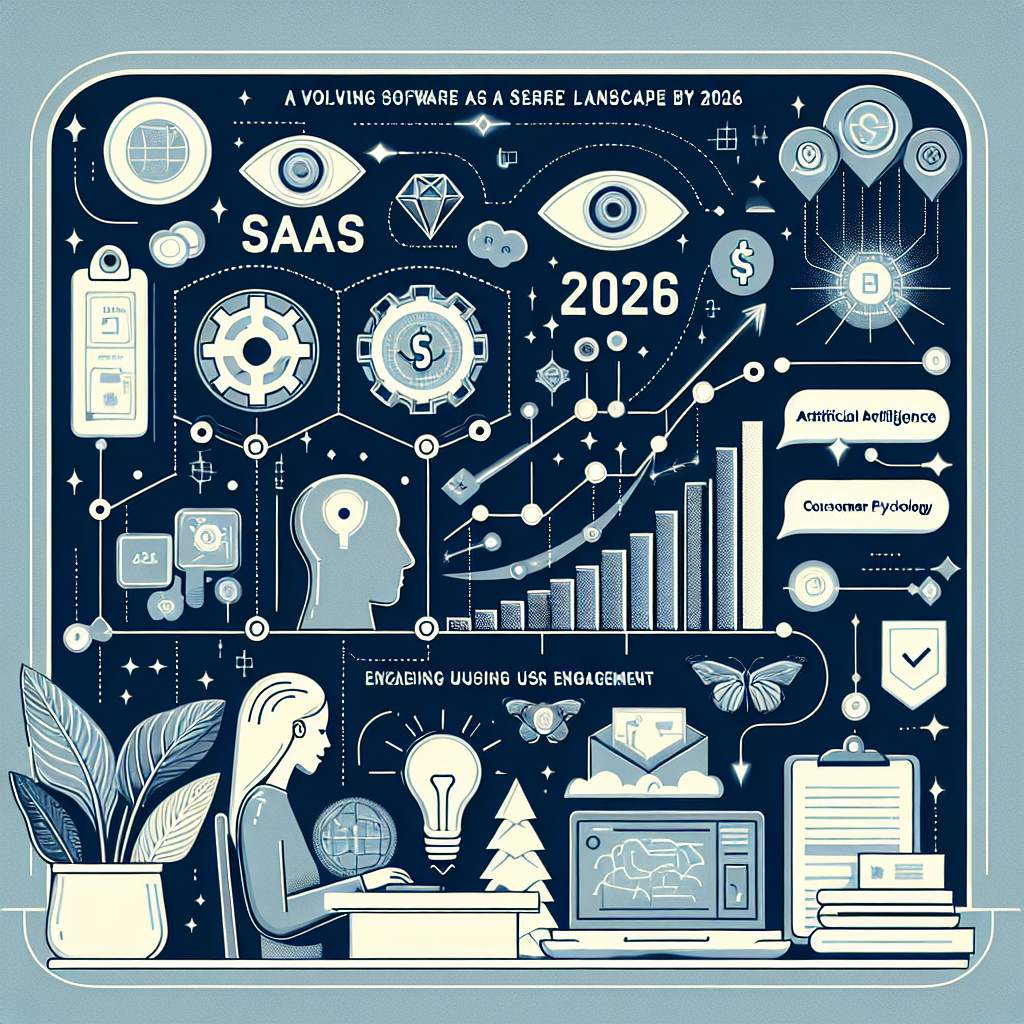
The Software as a Service (SaaS) landscape is undergoing a seismic shift, driven by advancements in artificial intelligence (AI) and a deeper understanding of consumer psychology. As we approach 2026, companies are not just looking to deliver software solutions but are also focusing on creating immersive user experiences that foster engagement and retention. In this blog post, we will explore how AI and consumer psychology are shaping the future of SaaS and what businesses can do to stay ahead in the game.
Understanding the Role of AI in SaaS User Engagement
Artificial intelligence is no longer a buzzword; it has become an essential component of SaaS applications. By 2026, it is expected that 70% of SaaS solutions will incorporate AI capabilities, streamlining operations and enhancing user interaction. AI tools can analyze user behavior, predict needs, and personalize experiences, making them invaluable for SaaS providers.
Personalization at Scale
One of the most significant advantages of AI is its ability to deliver personalized experiences at scale. For instance, Salesforce's Einstein AI allows users to receive tailored recommendations based on their past interactions. This level of personalization not only increases user satisfaction but also drives higher conversion rates. According to a study by McKinsey, personalization can lead to a 10-30% increase in revenue for companies that invest in it effectively.
Automation of Customer Support
AI chatbots and virtual assistants are transforming customer support in the SaaS industry. As these tools become more sophisticated, they can handle a larger volume of inquiries while providing instant responses. A recent report from Gartner indicated that by 2025, 75% of all customer interactions will be powered by AI, reducing operational costs and improving user experience significantly. This shift allows companies to focus on more complex customer needs while ensuring that basic inquiries are addressed efficiently.
The Psychology Behind User Engagement
Understanding consumer psychology is critical for SaaS companies aiming to enhance user engagement. By leveraging psychological principles, businesses can create experiences that resonate deeply with users, fostering loyalty and satisfaction.
The Power of Gamification
Gamification is a trend gaining traction within the SaaS environment. By incorporating game-like elements—such as points, badges, and leaderboards—companies can motivate users to engage more with their software. For instance, platforms like Duolingo use gamification to encourage language learning, resulting in a highly engaged user base. Research has shown that gamification can increase user engagement by up to 48%, making it a powerful tool for SaaS companies looking to enhance user interactions.
Building Trust Through Transparency
In an era where data privacy concerns are at an all-time high, building trust is crucial. SaaS companies need to ensure transparency in how they collect and utilize user data. According to a study by Edelman, 81% of consumers need to trust a brand before making a purchase. By being open about data practices and ensuring user consent, companies can foster a stronger relationship with their users, leading to higher engagement and retention rates.
Future Trends: What to Expect by 2026
As we look ahead to 2026, several trends are expected to emerge that will shape the SaaS landscape significantly.
Seamless Integration of Tools
Businesses will demand seamless integration between different software applications. Companies like Zapier and Integromat are already paving the way for this trend. By allowing users to connect various SaaS applications with minimal effort, companies can enhance user engagement by providing a more cohesive experience. Integrating AI-driven insights across various tools will also empower users to make informed decisions without having to switch between platforms.
Enhanced Data Security Measures
With increasing cyber threats, SaaS companies must prioritize data security. By implementing advanced AI algorithms for threat detection and response, companies can protect user data more effectively. A report from Cybersecurity Ventures predicts that cybercrime damages will reach $10.5 trillion annually by 2025, emphasizing the need for robust security measures. Building a reputation for strong security can also serve as a competitive advantage in the SaaS market.
Actionable Takeaways for SaaS Companies
To thrive in this evolving landscape, SaaS providers should consider the following actionable strategies:
- Invest in AI: Incorporate AI tools to provide personalized experiences and automate customer interactions.
- Leverage Consumer Psychology: Utilize gamification and transparency to enhance user engagement and build trust.
- Focus on Integration: Ensure that your software can easily integrate with other tools to create a seamless user experience.
- Prioritize Security: Implement stringent security measures to protect user data and build credibility.
As we navigate the evolving SaaS landscape, the integration of AI and an understanding of consumer psychology will be paramount. By adopting these strategies, businesses can not only enhance user engagement but also secure their position as leaders in the market by 2026.