The Next Frontier: How AI and Sustainability Will Shape Business Strategies in the Coming Decade
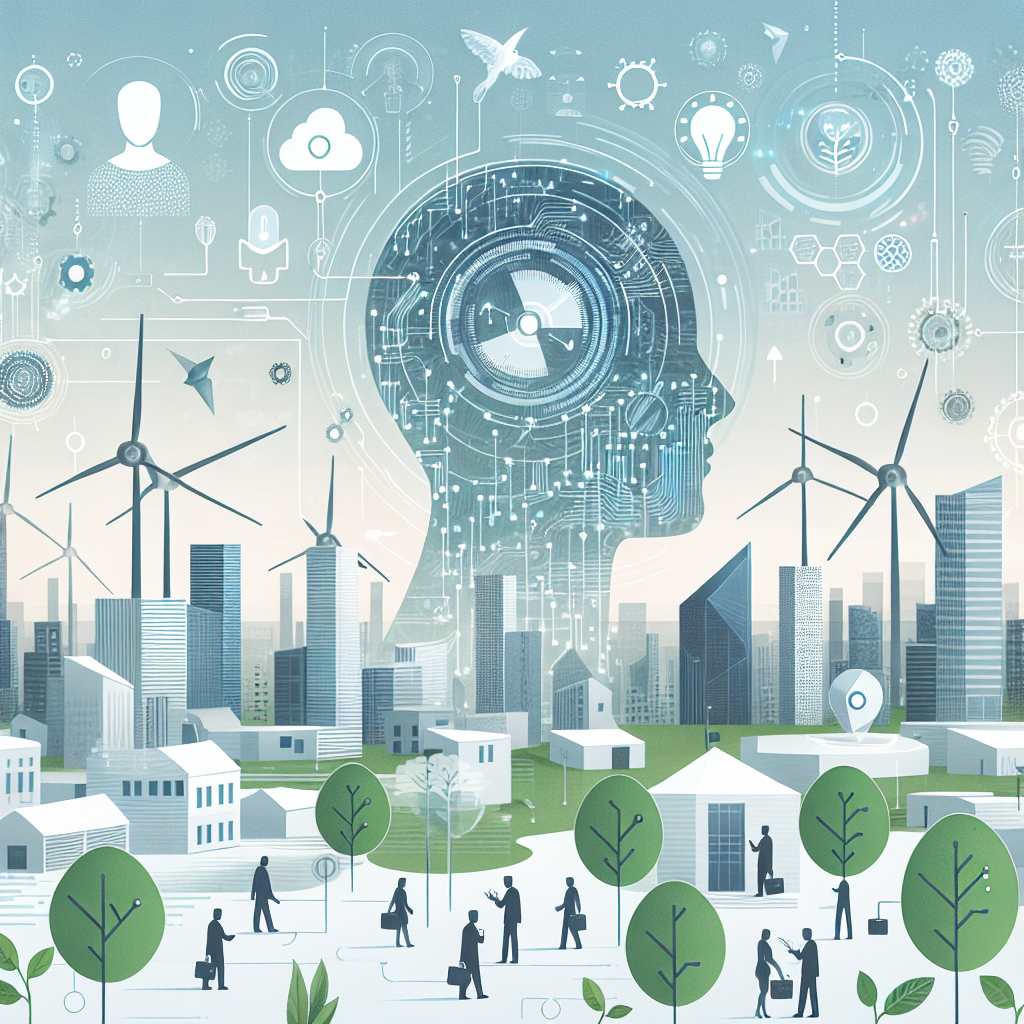
In a world that is becoming increasingly aware of climate change and environmental degradation, the intersection of artificial intelligence (AI) and sustainability is emerging as a transformative force for businesses. Over the next decade, companies will be compelled to integrate AI technologies into their sustainability strategies, not just to comply with regulations, but to drive innovation and competitive advantage. This blog post explores how AI and sustainability will redefine business strategies, offering insights and actionable takeaways for organizations eager to lead in this new frontier.
The Role of AI in Enhancing Sustainability
Artificial intelligence offers powerful tools to enhance sustainability efforts across various sectors. From optimizing energy usage to reducing waste, AI can analyze vast amounts of data to identify inefficiencies and propose actionable solutions. For instance, a report by the World Economic Forum indicates that AI could help reduce global greenhouse gas emissions by 4% by 2030, primarily through applications in energy management and sustainable agriculture.
Energy Management
In the energy sector, AI algorithms can forecast energy demand, optimize grid management, and improve the efficiency of renewable energy sources. Companies like Google have already implemented AI to manage their data centers, achieving a 40% reduction in energy consumption. By utilizing machine learning algorithms, businesses can predict energy usage patterns, allowing for more efficient energy distribution and consumption.
Sustainable Supply Chains
AI is also poised to revolutionize supply chain management. By leveraging AI-driven analytics, companies can gain insights into supplier practices, track sustainability metrics, and predict potential disruptions. For example, Unilever has successfully deployed AI to monitor sustainability in its supply chain, ensuring that suppliers adhere to environmental standards. This not only mitigates risks but also enhances brand reputation among increasingly eco-conscious consumers.
The Push for Circular Economy
As businesses face mounting pressure to adopt sustainable practices, the concept of a circular economy is gaining traction. This model emphasizes recycling, reuse, and reduction of waste, fundamentally shifting how products are designed and consumed. AI plays a crucial role in facilitating this transition by providing tools for better resource management and product lifecycle analysis.
Product Design and Innovation
AI can assist in designing products that are easier to recycle or repurpose. For instance, companies can use generative design algorithms to create packaging that minimizes waste while maximizing functionality. Moreover, AI can analyze consumer usage patterns to inform product design, leading to innovations that encourage sustainable consumption. Brands like Nike are already exploring AI-driven designs that prioritize recyclability and material efficiency.
Waste Management Solutions
In waste management, AI technologies such as computer vision and predictive analytics can enhance sorting processes at recycling facilities, significantly increasing the efficiency of waste separation. According to a study by the McKinsey Global Institute, AI could improve recycling rates by up to 25%, addressing one of the biggest challenges in achieving a circular economy.
Consumer Engagement and Transparency
Today's consumers are more informed and concerned about the sustainability of the products they purchase. AI can help businesses engage consumers in a more meaningful way, providing transparency about sourcing, production processes, and environmental impact.
Personalized Sustainability Messaging
Using AI, companies can create personalized marketing strategies that resonate with eco-conscious consumers. By analyzing data from various touchpoints, businesses can tailor their messaging to showcase their sustainability initiatives effectively. A prime example is Starbucks, which uses AI to enhance its loyalty program, informing customers about the sustainable practices behind their favorite products.
Blockchain and Traceability
Combining AI with blockchain technology can enhance traceability in supply chains, allowing consumers to verify the sustainability claims of products. For example, companies like Provenance are using blockchain to offer consumers a transparent view of their products’ journeys, reinforcing trust and loyalty. This level of transparency can differentiate brands in a crowded market, appealing to consumers who prioritize ethical purchasing.
Conclusion: Embracing the Future of Business
The integration of AI and sustainability is not just a trend; it is a fundamental shift that will redefine business strategies in the coming decade. Companies that embrace this dual focus will not only drive operational efficiencies but also cultivate a loyal customer base that values ethical practices. As we move forward, leaders must prioritize investments in AI technologies that support sustainable development, engage consumers transparently, and innovate within their industries.
As actionable takeaways, businesses should:
- Invest in AI technologies that enhance energy efficiency and waste management.
- Embrace circular economy principles in product design and supply chain management.
- Utilize AI for personalized consumer engagement and transparency.
- Monitor sustainability metrics to stay ahead of regulatory requirements and consumer expectations.
By strategically aligning AI with sustainability goals, businesses can not only contribute to a healthier planet but also secure their place as leaders in a rapidly evolving market landscape.