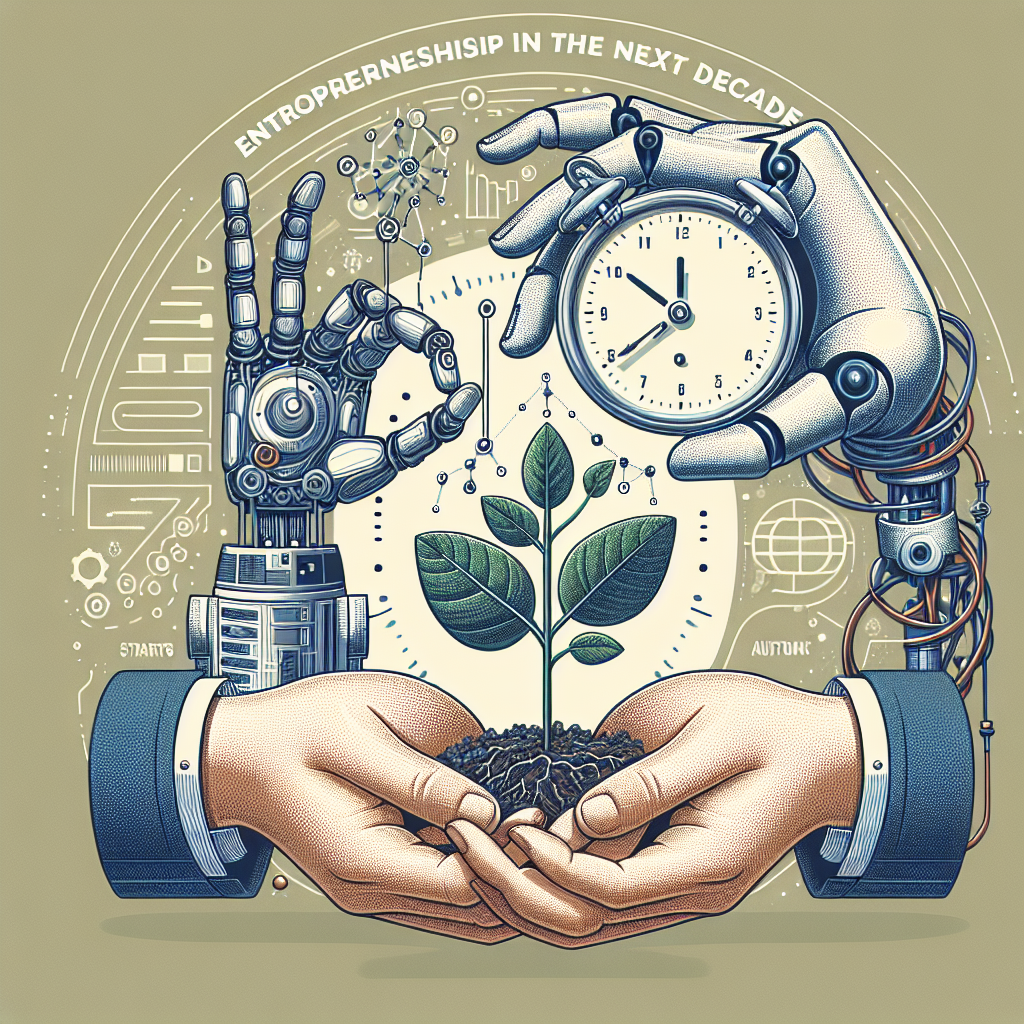
The Rise of AI-Driven Startups Navigating the Future of Innovation
In the ever-evolving landscape of technology, the rise of artificial intelligence (AI) has emerged as a game changer, igniting a revolution in how businesses operate and innovate. AI-driven startups are not just a trend; they represent the future of innovation, reshaping industries and creating new opportunities. As we delve into this phenomenon, we will explore how these startups are leveraging AI to drive innovation, the challenges they face, and what the future holds for this dynamic sector.
The AI Startup Ecosystem
The AI startup ecosystem is thriving, fueled by advancements in machine learning, natural language processing, and data analytics. According to a report by Statista, global investments in AI startups reached approximately $33 billion in 2021 alone, illustrating a sharp increase in interest and funding. This growth is largely driven by the demand for automation and efficiency across various sectors, from healthcare and finance to retail and logistics.
Identifying Opportunities
AI-driven startups are uniquely positioned to identify and exploit opportunities that traditional companies might overlook. For instance, in the healthcare sector, startups like Tempus and Zebra Medical Vision use AI to analyze vast amounts of medical data, providing insights that can lead to better patient outcomes. These companies not only enhance operational efficiency but also contribute to breakthroughs in medical research and personalized medicine.
Challenges Faced by AI Startups
Despite the immense potential of AI-driven startups, they face several challenges that can hinder their growth and innovation. One of the most significant hurdles is the scarcity of skilled talent. A report from McKinsey indicates that the demand for AI talent will outstrip supply by a staggering 85 million jobs by 2030. This talent gap can impede a startup’s ability to scale and innovate effectively.
Ethical Considerations and Data Privacy
Another pressing issue is the ethical implications of AI technologies. Startups must navigate complex ethical landscapes, especially concerning data privacy and bias in AI algorithms. For instance, companies like Clearview AI have faced backlash for their controversial use of facial recognition technology. It is vital for AI-driven startups to prioritize ethical considerations and transparency in their operations to build trust with consumers and stakeholders.
Case Studies of Successful AI Startups
To understand the potential of AI-driven startups, let’s examine a few success stories that have made significant impacts in their respective fields.
1. UiPath - Automating Business Processes
Founded in 2005, UiPath has become a leader in robotic process automation (RPA), helping companies automate repetitive tasks. By utilizing AI to streamline workflows, UiPath has transformed how organizations operate, resulting in increased productivity and reduced operational costs. The company went public in 2021 with a valuation of over $35 billion, highlighting the demand for AI-driven automation solutions.
2. OpenAI - Advancing Natural Language Processing
OpenAI, the organization behind the development of models like GPT-3, has revolutionized natural language processing. Their AI models are capable of generating human-like text, which has applications in various fields, from content creation to customer service. OpenAI’s commitment to ensuring that AI benefits humanity has set a standard for ethical AI development, making them a respected player in the industry.
Looking Ahead: The Future of AI Startups
The future of AI-driven startups is bright, with several trends expected to shape their trajectory. As businesses increasingly recognize the value of AI, we can anticipate a surge in collaboration between startups and established enterprises. This synergy can drive innovation and create new solutions that address complex challenges.
Hyper-Personalization
One of the most exciting trends is the shift towards hyper-personalization. AI enables startups to analyze consumer behavior and preferences, allowing for tailored experiences. For example, companies like Stitch Fix use AI to curate personalized clothing recommendations, enhancing customer satisfaction and loyalty.
Sustainability and AI
Moreover, AI-driven startups are increasingly focusing on sustainability, leveraging technology to address environmental challenges. Startups like Planet Labs utilize satellite imagery and AI to monitor climate change, providing critical data for conservation efforts. This alignment of AI innovation with sustainability goals will likely attract investment and support from environmentally-conscious consumers.
Conclusion: Embracing the AI Future
The rise of AI-driven startups marks a pivotal moment in the history of innovation. These companies are not only redefining industries but also challenging traditional business models and societal norms. For entrepreneurs and investors, the key takeaway is clear: embracing AI is no longer optional; it is essential for future success.
To navigate this landscape effectively, startups should focus on building diverse teams to bridge the talent gap, prioritize ethical practices, and remain agile in adapting to changing market demands. As we move forward, the collaboration between AI startups and traditional enterprises will play a crucial role in shaping a future where technology serves humanity, driving innovation and growth in ways we have yet to imagine.