5G and Beyond: How Next-Gen Connectivity Will Transform Mobile App Experiences
As we stand on the cusp of a new era in mobile technology, the rollout of 5G networks is poised to revolutionize how we interact with our devices. The speed, reliability, and low latency of 5G will not only enhance existing mobile applications but will also unlock new possibilities that we are only beginning to imagine. In this blog post, we’ll explore how 5G and beyond will transform mobile app experiences, creating opportunities for developers and users alike.
The Power of 5G: What Makes It Different?
5G technology represents a significant leap over its predecessor, 4G LTE. With download speeds reaching up to 10 Gbps, a dramatic reduction in latency to as low as 1 ms, and the ability to connect a vast number of devices simultaneously, 5G lays the groundwork for a more integrated and responsive mobile ecosystem.
According to a report from the Ericsson Mobility Report, by 2025, there will be over 1.5 billion 5G subscriptions worldwide. This adoption will drive innovation and demand for applications that can leverage these capabilities. But how will this translate into real-world benefits for users?
Enhanced User Experiences with Faster Speeds
The most immediate impact of 5G will be the speed at which mobile applications operate. For instance, applications that rely on video streaming, augmented reality (AR), and virtual reality (VR) will see significant enhancements. Imagine watching a 4K movie on your smartphone without buffering or lag, or experiencing a fully immersive VR game that responds to your movements in real-time. This level of performance was simply unattainable with 4G.
Moreover, developers can create richer, more interactive experiences. For example, mobile gaming apps like Fortnite or Call of Duty Mobile can incorporate more complex graphics and real-time multiplayer interactions, providing a seamless experience that keeps players engaged.
Connecting the Unconnected: IoT and Mobile Apps
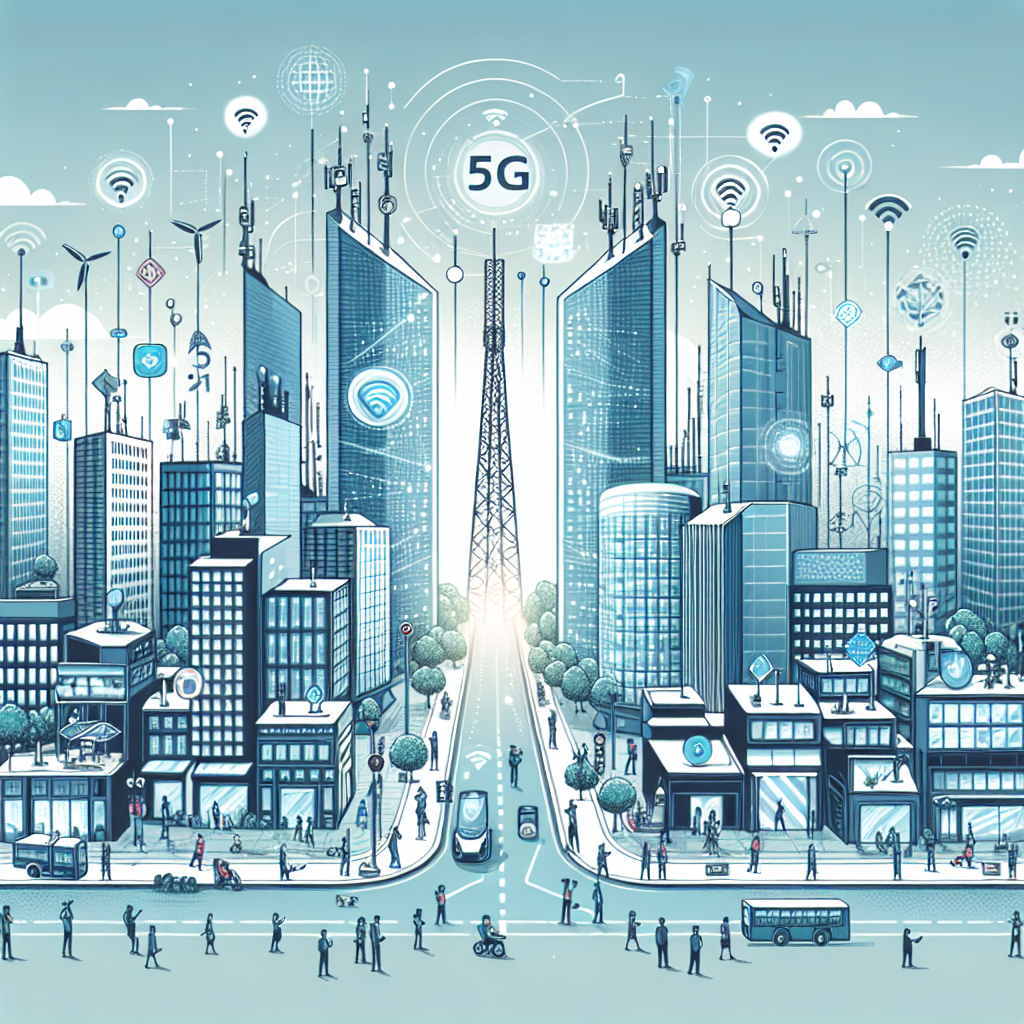
5G is also set to transform the Internet of Things (IoT), connecting everything from smart home devices to industrial machinery. This increased connectivity will create a plethora of opportunities for mobile app developers. Applications that manage smart homes—controlling lights, thermostats, and security systems—will become more efficient and responsive.
Consider applications that facilitate smart city initiatives, such as traffic management systems that adjust in real-time based on current conditions. According to Forbes, the integration of 5G with IoT is expected to create a $12 trillion market by 2035. This means that mobile apps that harness this connectivity will be at the forefront of this transformation.
Revolutionizing Healthcare Applications
The healthcare sector stands to gain immensely from 5G technology, particularly through mobile applications that enhance telemedicine. With 5G's low latency and high-speed data transfer, doctors can conduct remote consultations with minimal delay and high-quality video feed. This means patients in rural or underserved areas can access specialists without the need for travel.
Additionally, mobile applications that monitor patient health in real-time can send data directly to healthcare providers. For example, wearable devices that track vital signs can alert doctors immediately if a patient's condition deteriorates. This level of proactive care was difficult to achieve with previous network technologies.
The Future: 6G and Beyond
While 5G is already transforming mobile app experiences, researchers are already looking toward 6G, which is expected to debut around 2030. 6G promises even faster speeds—up to 100 Gbps—and greater capacity, potentially enabling new applications such as holographic communication and advanced AI integration.
As we move toward this future, developers should start thinking about how their applications can adapt to these emerging technologies. This includes designing apps with scalability in mind and considering how to integrate AI for personalization and predictive analytics.
Practical Tips for Developers
To stay ahead of the curve, developers should:
- Embrace Cloud Technologies: Utilize cloud services to support the bandwidth demands of 5G applications.
- Focus on User Experience: With faster speeds, prioritize intuitive design and seamless navigation in your apps.
- Explore New Technologies: Investigate how AR, VR, and AI can enhance your app’s functionality and user engagement.
- Stay Updated: Keep abreast of 5G developments and consumer trends to ensure your apps remain relevant.
Conclusion: The Dawn of a New Era in Mobile Apps
As 5G technology continues to roll out and the groundwork for 6G is laid, the potential for mobile applications is boundless. From transforming user experiences to facilitating groundbreaking innovations in healthcare and smart technologies, the future of mobile apps is brighter than ever.
For developers, this is a call to action: adapt, innovate, and harness the power of next-gen connectivity. By doing so, you not only enhance the user experience but also position your applications for success in an increasingly connected world. The era of 5G and beyond is here, and it’s time to embrace the change.