The Future of Mobile Development: Exploring 5 Emerging Technologies That Will Redefine App Experiences
Mobile development is evolving at a dizzying pace, driven by innovations that reshape how users interact with their devices. As more than half of the global internet traffic now comes from mobile devices, it’s imperative for developers and businesses to stay ahead of the curve. In this article, we will explore five emerging technologies that promise to redefine app experiences and shape the future of mobile development.
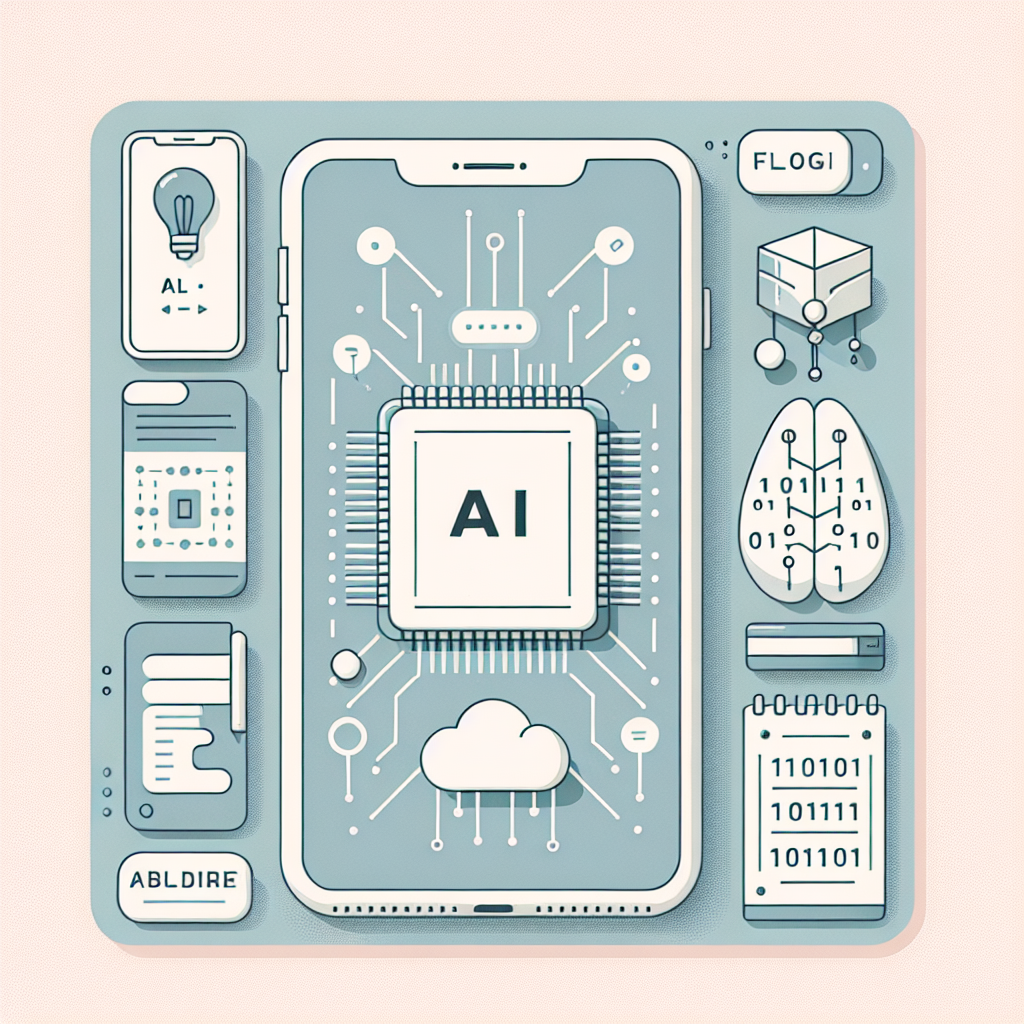
1. Artificial Intelligence and Machine Learning
Artificial Intelligence (AI) and Machine Learning (ML) are not just buzzwords; they are transforming mobile apps into smarter, more intuitive tools. By analyzing user behavior, AI can provide personalized experiences, making apps more engaging and user-friendly. For instance, AI-powered chatbots can handle customer service inquiries, providing instant responses and freeing up human resources for more complex tasks.
According to a report by Statista, the global AI market is expected to reach $190 billion by 2025, indicating a massive opportunity for mobile app developers. Implementing AI in apps can lead to features like predictive text, voice recognition, and personalized recommendations, which can significantly enhance user satisfaction and retention.
Practical Tip:
To incorporate AI into your mobile app, consider partnering with a machine learning platform or using APIs like Google’s TensorFlow Lite, which allows you to integrate AI functionalities seamlessly without extensive background knowledge in the field.
2. Augmented Reality (AR) and Virtual Reality (VR)
Augmented Reality (AR) and Virtual Reality (VR) are no longer confined to gaming; they are making their way into various industries, including education, retail, and healthcare. AR allows users to interact with their real-world environment through digital overlays, while VR immerses users in a completely virtual setting. The combination of these technologies creates engaging and interactive app experiences that can captivate users.
Take IKEA’s Place app, for example. It uses AR to allow customers to visualize how furniture will look in their homes before making a purchase, significantly improving the shopping experience. As per a report by MarketsandMarkets, the AR and VR market is estimated to grow from $12 billion in 2020 to $97.76 billion by 2025, indicating a burgeoning demand for these technologies in mobile apps.
Unique Perspective:
As a developer, consider how you can leverage AR to enhance user engagement in your app. Whether it’s through gamification, educational tools, or innovative retail experiences, the possibilities are endless.
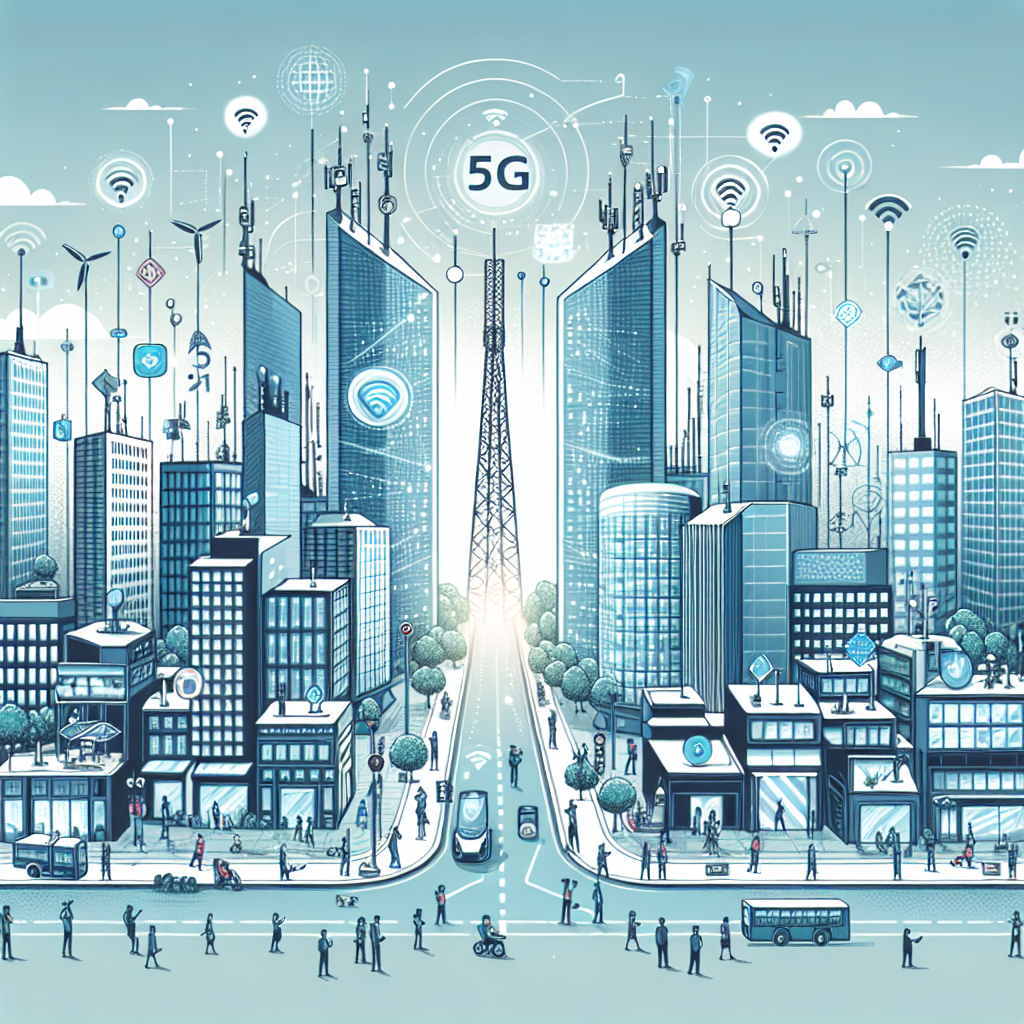
3. 5G Connectivity
The rollout of 5G networks is set to revolutionize mobile development by providing faster data speeds and more reliable connections. With reduced latency and increased bandwidth, 5G can support data-intensive applications and real-time interactions. This means that apps can offer seamless streaming, enhanced gaming experiences, and more sophisticated functionalities that require a stable internet connection.
A study by Ericsson predicts that by 2026, there will be 3.5 billion 5G subscriptions globally. This surge presents an opportunity for developers to create apps that leverage these capabilities, such as high-fidelity video conferencing tools, cloud gaming services, and augmented reality applications that require real-time data processing.
Actionable Takeaway:
As you design your next app, consider how 5G can enhance its capabilities. For instance, think about incorporating high-resolution video streaming or real-time collaborative features that offer users an enriched experience.
4. Internet of Things (IoT)
The Internet of Things (IoT) is another game-changer in mobile development. With billions of connected devices, IoT enables mobile apps to control and communicate with smart devices, providing users with unprecedented convenience and efficiency. From smart home applications that control lighting and heating to health monitoring apps that track fitness devices, the integration of IoT is transforming how we interact with technology.
According to a report by Statista, the number of connected IoT devices is projected to reach 30.9 billion by 2025. This growth presents a unique opportunity for mobile app developers to create applications that can integrate with these devices, enhancing functionality and user experience.
Practical Advice:
When developing an IoT-enabled app, prioritize security and data privacy. Ensure that user data is encrypted and that your app complies with regulations such as GDPR or CCPA to build trust with your users.
5. Cross-Platform Development
With the increasing demand for mobile apps across various platforms, cross-platform development tools like Flutter and React Native are gaining popularity. These frameworks allow developers to write code once and deploy it across multiple platforms, significantly reducing development time and costs. This approach not only streamlines the development process but also enables businesses to reach a broader audience without sacrificing quality.
As per a survey by Statista, 42% of developers are already using cross-platform solutions for mobile app development. This trend is expected to continue growing as businesses look for cost-effective and efficient ways to launch their apps.
Conclusion:
The future of mobile development is bright, with emerging technologies like AI, AR/VR, 5G, IoT, and cross-platform development reshaping how we create and interact with mobile applications. As a developer or business owner, it’s crucial to stay informed about these trends and consider how you can incorporate them into your app strategy. By doing so, you will not only enhance user experience but also position yourself at the forefront of innovation in the mobile app landscape.
Embrace these technologies, keep learning, and remain adaptable to ensure your app stands out in an increasingly competitive market. The future is here—are you ready to seize it?